SpaceX vs Tesla: investor interest diverges as merger talks grow

Henry Fisher
Market Analyst, ANZ
10 minute read
|22 Oct 2026
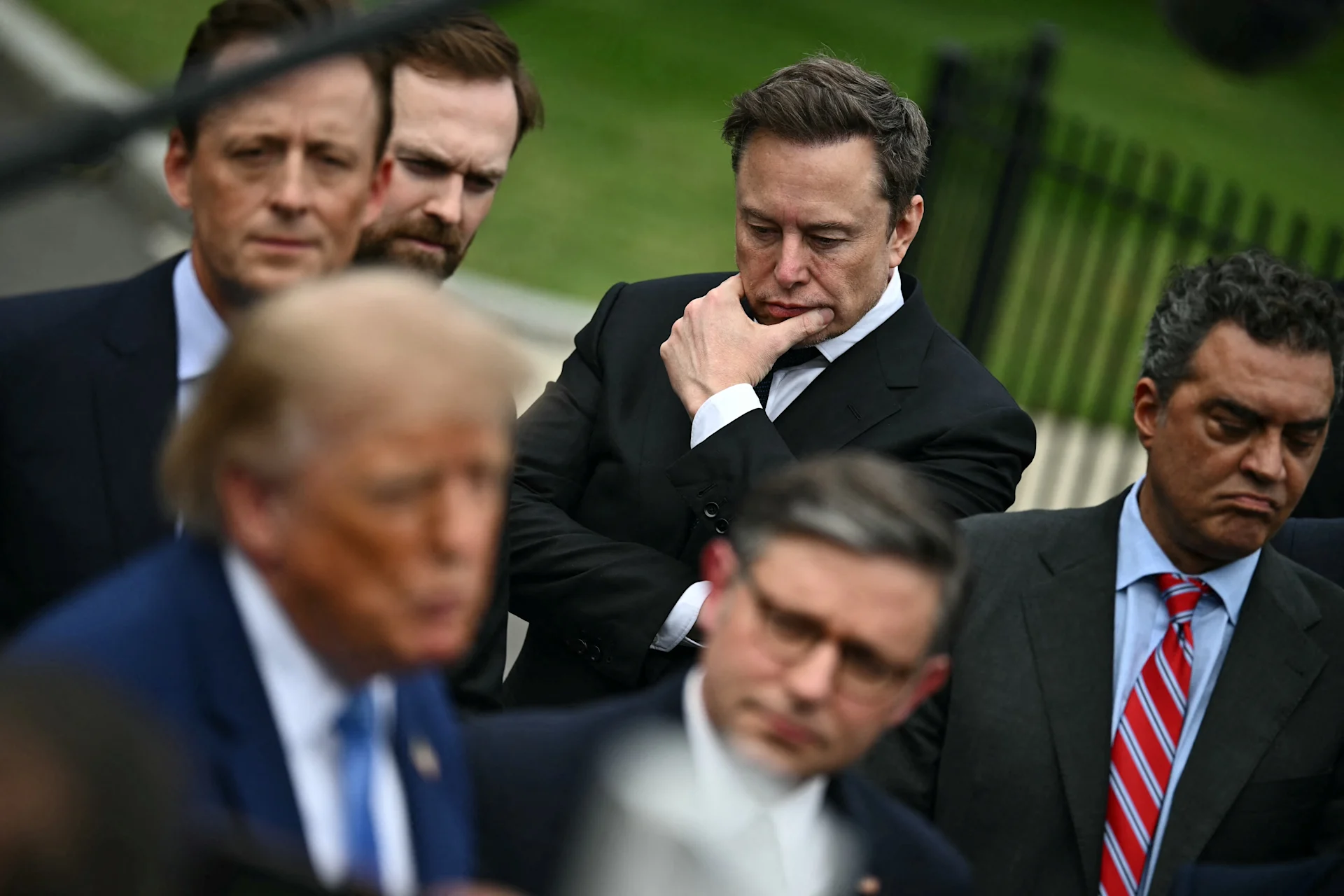
SpaceX CEO Elon Musk
Table of contents
  • 1.
    SpaceX challenges Nvidia as Tesla trails in buying activity
  • 2.
    SpaceX's extraordinary growth comes with an extraordinary bill
  • 3.
    Tesla is still trying to turn its AI ambitions into earnings
  • 4.
    If Tesla and SpaceX already work together, why merge?
  • 5.
    Who would actually benefit from a merger?
  • 6.
    What matters from here?

Elon Musk is considering merging SpaceX and Tesla. But among CMC Invest clients, buying activity in his two companies tells a very different story.

From 1 to 22 October 2026, buys accounted for 86.2% of executed SpaceX trades, compared with 60.4% for Tesla. SpaceX also recorded 2.6 times as many trades over the same period, ranking second among US shares on the platform, behind Nvidia.

Yet their share prices have moved largely in step over the past month, suggesting company-specific factors may be contributing to the difference in buying activity.

Their latest earnings might offer some clues. SpaceX is delivering extraordinary growth, fuelled by artificial intelligence (AI), while Tesla is spending heavily on technologies it hopes will transform its business. Both command valuations that anticipate enormous success.

There's a credible case for bringing the companies together. Whether combining two highly valued, capital-intensive businesses would leave shareholders better off is a much harder question.

SpaceX challenges Nvidia as Tesla trails in buying activity

Nvidia (NVDA:US) remains the most-traded US share on CMC Invest, with SpaceX (SPCX:US) second and Tesla (TSLA:US) third.

All three have held those positions since September, while Micron (MU:US) and Rocket Lab (RKLB:US) have moved into the top five.

October rank

US stock

September buy trades

October buy trades

1

Nvidia

66.8%

75.3%

2

SpaceX

81.0%

86.2%

3

Tesla

56.7%

60.4%

4

Micron

51.8%

69.7%

5

Rocket Lab

80.7%

82.7%

Source: CMC Invest Australia proprietary US-share trading data, 1 to 30 September and 1 to 22 October 2026. Rankings are based on trade count. Buy trades are expressed as a % of total executed trades.

Tesla recorded the lowest buying proportion among these five US shares in both periods. SpaceX, meanwhile, has maintained a stronger buying bias than even Nvidia.

We can't know for certain what's driving the difference in buying activity, or whether clients are switching between the two companies. But their latest earnings offer a useful starting point for investigating what might be behind the divergence.

SpaceX's extraordinary growth comes with an extraordinary bill

SpaceX's third-quarter results were remarkable, even by the standards of a company built around ambitious expectations.

Revenue surged 161% year-on-year to US$14.6 billion, while net income reached US$4.4 billion, reversing a loss in the previous year.

For a company synonymous with rockets and satellites, the most interesting development is what's generating that growth.

SpaceX's Super Intelligence division, which includes AI infrastructure, software and services, delivered US$7.56 billion in quarterly revenue. That's approximately 52% of the company total, ahead of Starlink and other connectivity services at US$5.25 billion.

SpaceX is increasingly becoming an AI infrastructure business with a rocket company attached. The transformation has also been accelerated by acquisitions, including AI coding company Cursor.

But revenue and profitability tell different stories.

Super Intelligence generated US$431 million in operating profit, compared with US$2.37 billion from connectivity. Despite producing more than half of revenue, AI contributed only around 15% of operating income. Starlink and related services remain the financial backbone of the business.

The cost of expansion is even more revealing. SpaceX spent US$19.6 billion on capital expenditure during the quarter, including US$16.4 billion on AI infrastructure alone. That's more than its entire quarterly revenue.

Building computing capacity ahead of demand can produce substantial returns, but it also creates enormous financial obligations before those returns are realised. SpaceX's June IPO, which generated approximately US$85.7 billion in net proceeds, provides considerable resources to fund that expansion.

At a market valuation of approximately US$2 trillion in mid-October, SpaceX would trade at roughly 114 times annualised earnings if it maintained its latest quarterly net profit of US$4.4 billion for an entire year.

That's a demanding multiple, particularly given the company still recorded a US$413 million net loss over the first nine months of 2026. Annualising one profitable quarter is illustrative rather than a reliable measure of full-year earnings.

SpaceX's growth is impressive, but its valuation sets a high bar. The challenge now is turning its enormous AI investments into sustainable profits and cash flow.
SpaceX Launches First Orbital Starship Test Flight

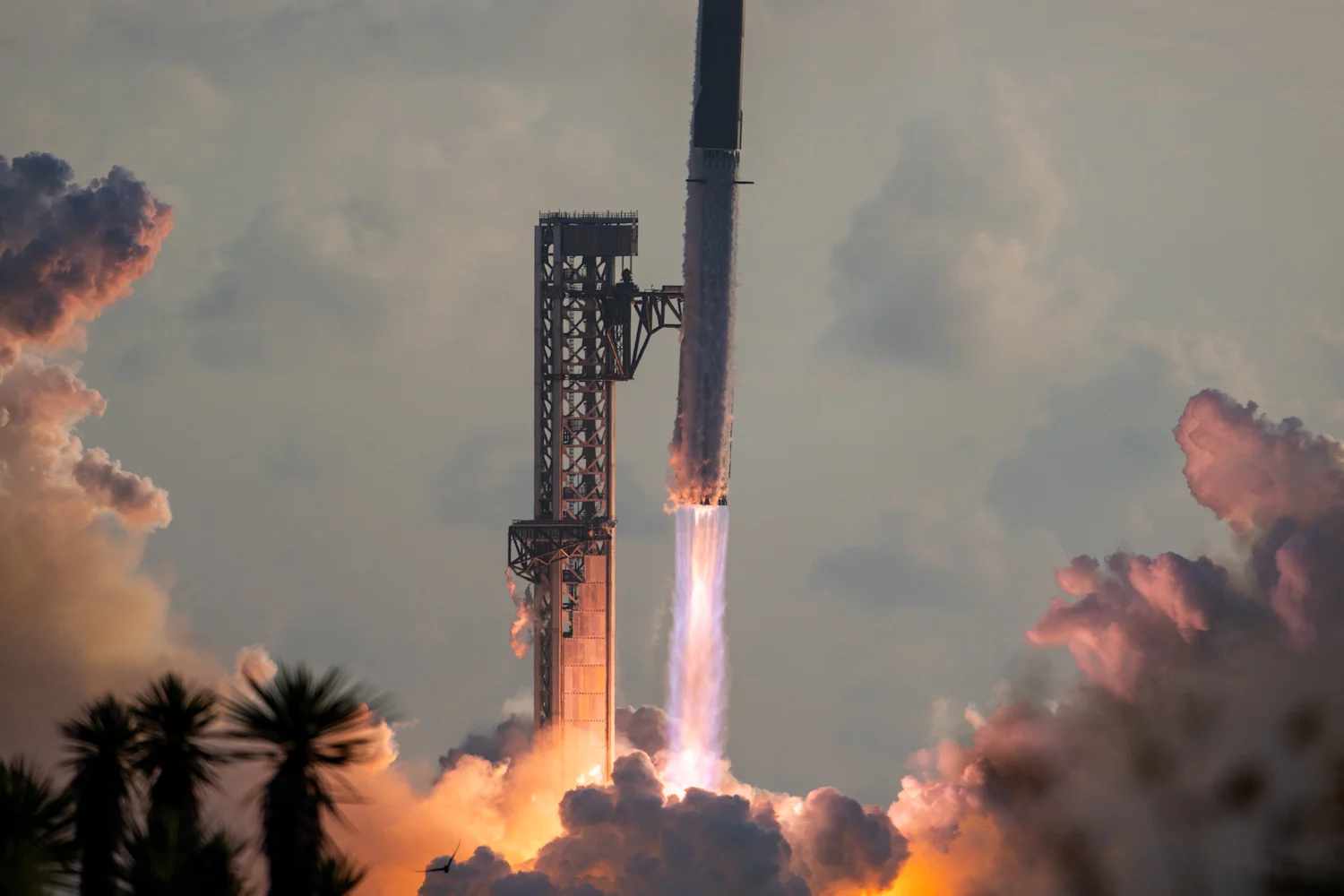
Image: SpaceX’s Starship Flight 14 launches from Boca Chica, Texas, on 28 September 2026, aiming to deploy Starlink satellites.

Tesla is still trying to turn its AI ambitions into earnings

Tesla's latest earnings offer a different picture.

Third-quarter revenue was broadly unchanged at US$28.05 billion, while net income attributable to shareholders fell 43% to US$787 million. Operating profit declined 56% to US$718 million.

Yet Tesla's gross margin improved from 18% to 19.6%. The company was making more gross profit from each dollar of revenue, but substantially less profit after operating expenses.

Part of the explanation is spending. Operating expenses increased 39% to US$4.78 billion as Tesla continued investing in AI, robotics and autonomous driving. Capital expenditure more than doubled to US$4.73 billion, although the company still generated US$1.53 billion in free cash flow.

Tesla is funding its future ambitions while its established automotive business faces considerable competitive pressure. Yet investors are already paying an extraordinary price for what those ambitions might become.

Around 22 October, Tesla was trading at approximately 350 times its trailing annual earnings. Put simply, investors were paying around US$350 for every US$1 of profit generated over the previous 12 months.

For perspective, Nvidia, one of the biggest beneficiaries of the AI boom, traded at approximately 28 times earnings. Tesla's P/E was roughly 12.5 times Nvidia's.

Of course, investors aren't valuing Tesla solely on the vehicles and energy products it sells today. They're also anticipating a future in which robotaxis, autonomous driving software and humanoid robots generate earnings on a much larger scale.

There has been progress, including the introduction of Cybercab vehicles into Tesla's Austin robotaxi fleet. But the eventual revenue, profitability and timing of these businesses remain uncertain.

Ultimately, the contrasting financial results from SpaceX and Tesla may offer one explanation for the stronger buying interest in SpaceX among CMC Invest clients. That doesn't mean either company's ambitious plans will necessarily deliver attractive returns at today's valuations.

If Tesla and SpaceX already work together, why merge?

The strategic argument has become easier to understand as the companies increasingly pursue similar technologies.

Tesla is developing autonomous vehicles, robots and batteries, while SpaceX operates satellites, rockets and an expanding AI infrastructure business.

Both are collaborating on the proposed Terafab semiconductor project, with an initial planned investment of US$16.8 billion. There are potential benefits from sharing computing resources, software, manufacturing expertise and infrastructure.

The relationship between the two companies already extends well beyond Terafab.

Tesla's disclosures show that SpaceX purchased US$405 million worth of Megapack energy storage products during the first half of 2026. Tesla also invested US$2 billion in SpaceX in March, acquiring an ownership stake of less than 1%.

They're already doing business and investing in one another. Common ownership isn't required for those arrangements to continue.

One potential advantage of merging would be simpler capital allocation. Rather than coordinating projects across separate companies, resources could be directed towards whichever opportunities management considered most promising.

Barclays analyst Dan Levy has identified closer integration of the companies' AI technologies as a potential benefit, suggesting that SpaceX could acquire Tesla through an all-share transaction.

He also raised the possibility of an announcement before Tesla's annual shareholder meeting. That meeting is scheduled for 3 December, although the published agenda doesn't include a merger vote.

The prospect has gained credibility since Musk confirmed that independent committees at both companies are examining a possible combination. He supports the idea but acknowledged that no terms have been agreed and shareholder approval would be a considerable hurdle.

The strategic appeal is clear, particularly given how much the businesses are already collaborating. Whether bringing them under one roof would deliver better financial outcomes for shareholders is less certain.

A merger could reduce duplicated spending and make it easier to allocate resources. But it wouldn't make the capital requirements disappear. Both companies are already committing enormous sums to technologies whose financial returns remain uncertain.

With the two businesses valued at roughly US$3.4 trillion combined in mid-October, shareholders are already paying handsomely for the possibility of future success.

Who would actually benefit from a merger?

For existing shareholders, the most consequential detail might be something considerably less exciting than rockets or robots: the exchange ratio.

In an all-share merger, Tesla shareholders could receive SpaceX shares in exchange for their existing holdings. The number would depend on the valuations agreed by the companies and any takeover premium.

At illustrative valuations of US$1.4 trillion for Tesla and US$2 trillion for SpaceX, combining the businesses at their existing values would leave Tesla shareholders with approximately 41% of the combined company, before accounting for cross-holdings and other adjustments.

But analysts believe Tesla shareholders may demand more. JPMorgan has modelled a 30-35% premium, while RBC has explored a US$480-per-share takeover that would give Tesla shareholders 48% of a combined US$3.74 trillion business.

These are hypothetical scenarios, not agreed offers. A premium could give Tesla shareholders a larger share of the merged company, but would dilute existing SpaceX shareholders. The value ultimately received would also depend on the combined company's share price.

That makes CMC Invest's trading data particularly interesting. Despite Tesla shareholders potentially receiving a takeover premium, buying activity has been considerably stronger towards SpaceX, the prospective acquirer. It raises questions about what investors find attractive in each business, although the data cannot establish their motivations.

Governance adds another complication. Musk has substantial influence over both businesses, and independent committees will need to consider the interests of shareholders who may hold very different views about a combination.

Regulatory scrutiny could also prove difficult. SpaceX has significant US government and defence relationships, while Tesla operates a major manufacturing business in China. Those different exposures could attract national security concerns.

Even if the businesses become more valuable together, the transaction terms will determine how that value is divided between existing shareholders.

What matters from here?

SpaceX's next few results will help establish whether its accelerating AI revenue can justify the enormous investment behind it. Operating profitability, capital expenditure and cash generation deserve particular attention.

Tesla faces a different test. Its established businesses need to remain profitable while autonomy, robotics and AI become more meaningful contributors to earnings.

A formal merger proposal would introduce separate questions about valuation, dilution and ownership. The independent committees' recommendations will matter more than speculation about when an announcement might arrive.

CMC Invest's trading data reveals a considerably stronger buying bias towards SpaceX. Its rapidly expanding AI business offers one possible explanation, although its valuation leaves little room for disappointment.

There's a credible argument for combining SpaceX and Tesla. Their technologies overlap, they're already investing in one another, and closer integration could make Musk's ambitions easier to pursue.

But the financial benefits are less obvious. Combining two highly valued, capital-intensive businesses might improve how money is spent, but it doesn't guarantee attractive shareholder returns.

A merger could make it easier for SpaceX and Tesla to pursue their ambitions together. But the harder task would remain: turning billions in investment into sustainable profits. With a combined market value above US$3 trillion, both companies have a great deal to prove.

Invest Better with CMC Invest

Follow developments around a potential SpaceX-Tesla merger and research both companies with CMC Invest's suite of tools, including CMC Intelligence, TipRanks, Morningstar, TradingView and much more. Log in or open an account to explore.

For real-time market updates, charts and insights, follow me on X at @HenryFisherCMC.

Disclaimer: This article provides general information only. It has been prepared without taking account of your objectives, financial situation or needs. It is not to be construed as a solicitation or an offer to buy or sell any financial instruments, or as a recommendation and/or investment advice. It does not intend to support an investment decision and it should not be relied upon by you in evaluating the merits of investing in any financial instruments. You should consider your objectives, financial situation and needs before acting on the information in this article. CMC Markets believes that the information in this article is correct, and any opinions and conclusions are reasonably held or made on information available at the time of its compilation, but no representation or warranty is made as to the accuracy, reliability or completeness of any statements made in this article. CMC Markets is under no obligation to, and does not, update or keep current the information contained in this article. Neither CMC Markets nor any of its affiliates or subsidiaries accepts liability for loss or damage arising out of the use of all or any part of this article. Any opinions or conclusions set forth in this article are subject to change without notice and may differ or be contrary to the opinions or conclusions expressed by any other members of CMC Markets.