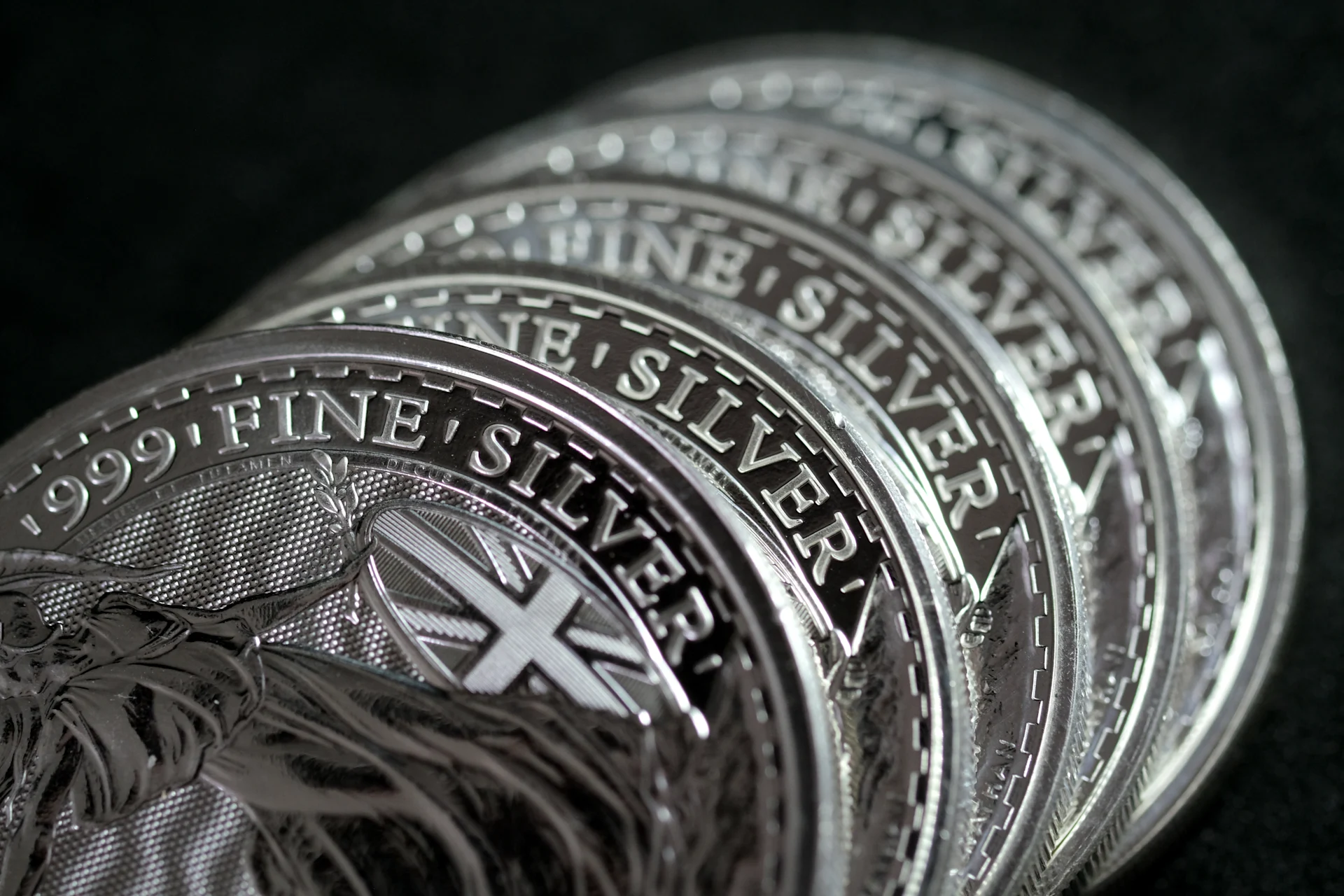
Silver plays a dual role in global markets. It’s both a precious metal often considered by some investors as a potential store of value and an industrial commodity used in items such as electronics, solar panels, medical equipment and more.
Australian investors looking to diversify their portfolios can consider silver ETFs as a more accessible way to gain exposure to the silver market, without the complexities and costs associated with buying and storing physical bullion.
Looking to understand what silver ETFs are, the different types available, and some of the commonly discussed options in Australia? We cover the key considerations, along with how to get started with CMC Invest.
Key takeaways
A silver ETF is an exchange-traded fund that tracks the price of silver or silver-related assets, and it can be bought and sold on stock exchanges through a stockbroking platform like ordinary shares.
Some of the types of silver ETFs include physical silver ETFs, silver-mining ETFs, silver futures ETFs and leveraged or inverse silver ETFs.
Silver ETFs offer a way to diversify your portfolio, with the added benefit of convenient, liquid access to the silver market without physical storage.
Examples of silver ETFs available to Australian investors include Global X Physical Silver (ETPMAG), iShares Silver Trust (SLV), Global X Silver Miners ETF (SIL) and Global X Physical Precious Metals Basket (ETPMPM).
Management fees, tracking differences, and silver price volatility are key factors to consider when deciding to place an investment.
You can invest in silver ETFs through the CMC Invest platform with broad access to international markets and ASX-listed ETFs.
What is a silver ETF?
Silver ETFs track the price of silver or silver-related assets. Like other ETFs, silver ETFs are listed on stock exchanges and can be bought and sold during market hours in much the same way as regular shares.
Instead of buying physical silver bars or coins, investors can purchase units in a silver ETF through a stockbroking platform like CMC Invest, offering exposure to silver price movements without the need to set up storage or pay insurance on the physical metal. Before considering an investment, you’ll want to learn how to invest in ETFs and read about how to invest in silver in Australia.
What are the different types of silver ETFs in Australia?
There are several types of silver ETFs, each providing varying forms of market exposure:
Physical silver ETFs: Backed by silver bullion held in secure vaults. Physical silver ETFs track the spot price of silver and offer direct exposure to the commodity.
Silver-mining ETFs: Invest in a basket of silver-mining companies. Their performance is tied to both the silver price and company-specific factors, such as earnings, production costs, reserves and more.
Silver futures ETFs: These track the price of silver by holding futures contracts instead of physical bullion. Be aware that they can behave differently from spot silver prices due to the structure of futures markets.
Leveraged and inverse silver ETFs: Use derivatives to provide amplified or inverse exposure to silver price movements. Not for beginners, these are complicated products meant for short-term trading and therefore carry higher risks.
Physical silver ETFs and silver-mining ETFs are generally considered less complex than leveraged or inverse products. Investors should consider their own objectives, risk tolerance and the relevant PDS before making any decisions.
Why silver ETFs are a popular investment among Australian investors
Portfolio diversification: Silver has historically shown a low correlation with equities, which means adding silver exposure might help minimise the volatility of your portfolio.
Convenience: There’s no need for personal storage, insurance, security, etc. Everything is managed in your existing investment platform.
Hedge against inflation: Silver is sometimes discussed as a potential inflation hedge, though its performance during inflationary periods has varied and is not guaranteed.
Liquidity: Silver ETFs traded on the ASX can be bought and sold during market hours, which means they are much more liquid than physical silver.
Industrial demand: Unlike gold, silver has broad applications – think electronics, solar energy, medical equipment – which some observers view as an additional demand factor alongside its role as a precious metal. Industrial demand can also decline during economic downturns, which may affect prices.
Top silver ETFs in Australia listed on the ASX
Below are some of the more widely recognised silver ETFs available to Australian investors. Whether any of these are suitable will depend on individual circumstances and should be considered alongside the relevant PDS and/or professional advice. Bear in mind that while some are listed on the ASX, others are only available through international markets – both of which are open to CMC Invest users.
1. Global X Physical Silver (ASX: ETPMAG)
Global X Physical Silver is one of the larger silver ETFs available on the ASX by funds under management. Backed by physical silver bullion held by JPMorgan Chase, it tracks the Australian dollar silver spot price and has a management fee of 0.49% per annum.
ETPMAG is designed to offer exposure to silver without having to store physical bullion. Each silver bar backing the fund is segregated, individually identified and allocated.