An investor’s guide to gold ETFs in Australia

8 minute read
|15 May 2026
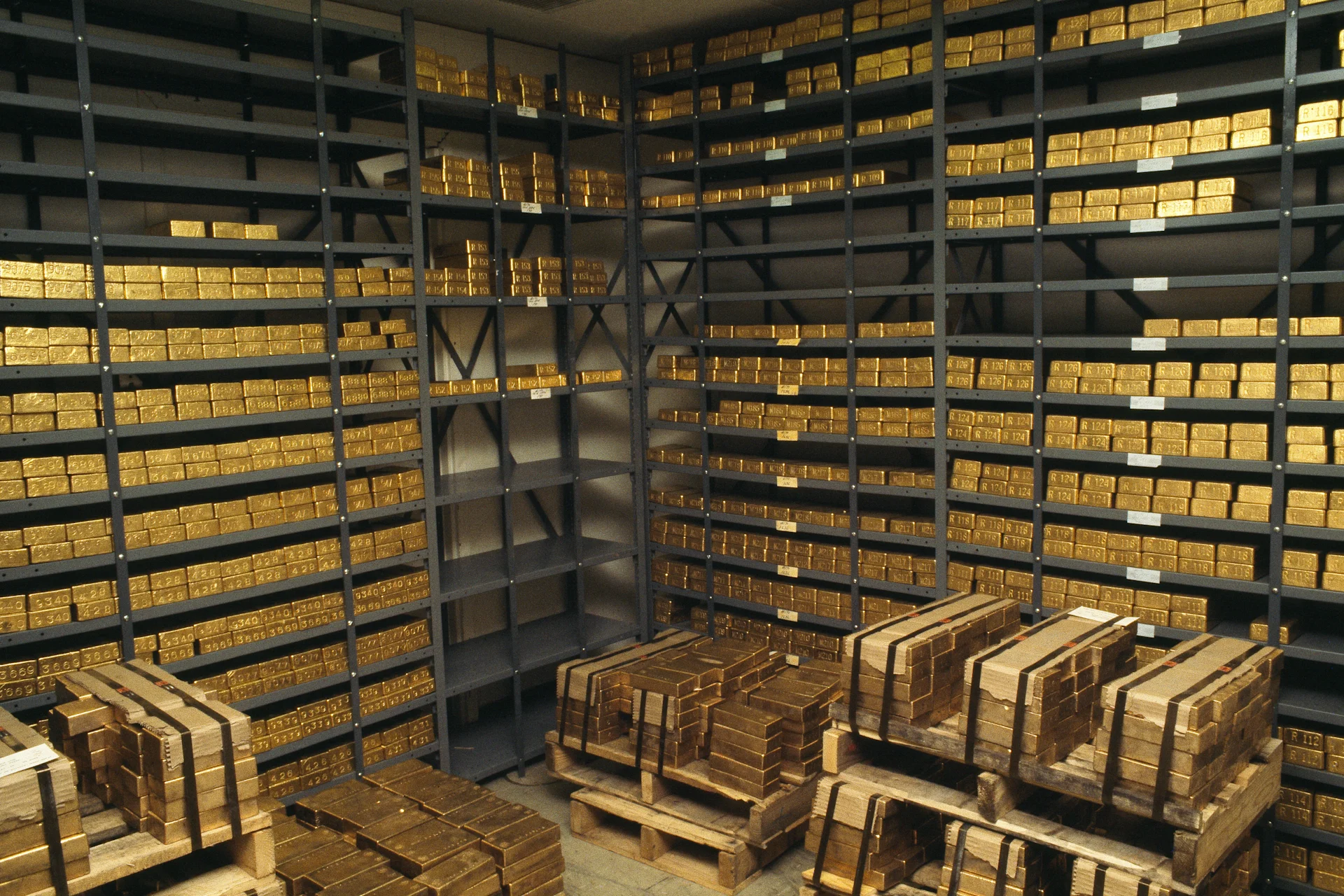
An interior space showcasing numerous shelves brimming with shiny gold bars, emphasizing wealth and abundance.
Table of contents
  • 1.
    Key takeaways 
  • 2.
    What is a gold ETF? 
  • 3.
    What are the types of gold ETFs in Australia? 
  • 4.
    Why gold ETFs are a popular investment among Australian investors 
  • 5.
    Top gold ETFs in Australia listed on the ASX 
  • 6.
    How to buy gold ETFs in Australia: Step-by-step guide 
  • 7.
    Risks and considerations when buying gold ETFs 
  • 8.
    Conclusion 

Gold has historically been seen as a component of diversified portfolios, with some investors viewing it as a potential store of wealth during periods of economic uncertainty. Many Australian investors buy gold ETFs because they are an alternative way to get exposure to the precious metal without having to buy, store and insure physical bullion. 

Gold prices reached record highs in recent years thanks to global economic uncertainty and geopolitical tensions. The result? Increased interest in gold-related investments, with ETFs being one of the most straightforward ways for everyday investors to participate. 

Let’s explore exactly what gold ETFs are and the different types available, as well as highlight some of the top gold ETF Australia options listed on the ASX right now. We’ll also walk you through how to start investing with CMC Invest. 

Key takeaways 

  • A gold ETF is an exchange-traded fund that tracks the price of gold or gold-related assets. They can be bought and sold on the ASX just like ordinary shares. 

  • There are two main types: physical gold ETFs (backed by bullion) and gold miners ETFs (investing in gold-mining companies). 

  • Gold ETFs can offer portfolio diversification and provide liquidity without the need to store or insure physical gold. 

  • Popular ASX-listed gold ETFs include Global X Physical Gold (GOLD), Perth Mint Gold (PMGOLD), VanEck Gold Miners ETF (GDX) and BetaShares Global Gold Miners ETF (MNRS). 

  • Management fees and gold-price volatility are important considerations before you start investing. 

  • You can invest in gold ETFs on the CMC Invest platform with ASX-listed ETFs and global markets. 

What is a gold ETF? 

A gold ETF is an exchange-traded fund that tracks the price of gold or gold-related assets. Gold ETFs are listed on stock exchanges like the ASX, where they can be bought and sold during market hours just like regular shares. 

Instead of buying physical gold bars or coins, investors can buy units in a gold ETF through a stockbroking platform like CMC Invest. You’ll gain exposure to gold price movements without the hassle of arranging storage and insurance. If you’re just getting started with ETFs, make sure you read up on how to invest in ETFs

What are the types of gold ETFs in Australia? 

Physical gold ETFs are backed by gold bullion held in secure vaults. These ETFs track the spot price of gold, with returns reflecting movements in the gold price (in Australian dollars) minus any management fees. Physical gold ETFs are handy for investors who want transparent exposure to the commodity. 

Gold miners ETFs invest in a basket of gold-mining companies instead of physical gold. Their performance is tied to both the gold price and the earnings performance of the underlying mining companies. Gold miners ETFs may experience larger price movements than physical gold ETFs during periods of rising gold prices, but they also carry higher volatility and are exposed to company-specific risks. 

It’s a good idea to master the art of how to invest in gold in Australia before you dive in with real capital. 

Why gold ETFs are a popular investment among Australian investors 

Gold ETFs have seen increased interest among Australian investors in recent years for a number of reasons: 

  • Portfolio diversification: Gold has historically shown a low correlation with equities. Adding gold ETFs to your portfolio could help to reduce the volatility of your overall portfolio. 

  • Convenience: Unlike physical gold, ETFs don’t require personal storage or insurance. Everything is managed within your existing investment platform. 

  • Hedge against inflation: Gold is often discussed as a potential hedge against inflation, as inflation goes up, the real value of cash tends to go down over time. Gold has historically held its purchasing power over long periods of time, which is why so many investors use it as a hedge. 

  • Liquidity: Gold ETFs are traded on the ASX during market hours, which makes them easier to buy and sell. It’s an advantage over physical gold, which can take much longer to convert to cash. 

Top gold ETFs in Australia listed on the ASX 

Below are four of the most widely held gold ETF options on the ASX. Each one has a different type of exposure to the gold market, so do your research and choose the ETFs that match your portfolio goals and risk appetite. 

1. Global X Physical Gold Structured (ASX: GOLD) 

Global X Physical Gold is one of the largest and most traded gold ETFs on the ASX, with billions of dollars in assets under management. It’s backed by physical gold bullion held in a London vault by JPMorgan Chase and tracks the Australian dollar gold spot price, minus a management fee. 

GOLD is widely held by investors seeking exposure to the gold price through an ETF structure. 

2. Perth Mint Gold Structured Product (ASX: PMGOLD) 

The Perth Mint Gold structured product is unique in that it’s backed by gold held by the Perth Mint and carries a guarantee from the Western Australian Government. PMGOLD has a management fee of 0.15% per annum, which is lower than many ASX-listed gold products.  

Unlike physical-gold ETFs, PMGOLD has a contractual right to gold from the Perth Mint rather than a direct holding of allocated bullion. Investors can convert their holdings into physical gold through a Perth Mint Depository account. 

3. VanEck Gold Miners ETF (ASX: GDX) 

The VanEck Gold Miners ETF gives you exposure to the world’s largest gold mining and royalty companies, including Newmont, Agnico Eagle Mines, Barrick Mining and Wheaton Precious Metals, as well as Australian miners like Northern Star Resources and Evolution Mining. GDX has a management fee of 0.53% per annum. 

As a gold miners ETF, GDX has the potential to deliver capital growth and dividend income. That being said, its performance is greatly influenced by company-specific factors, such as production costs, reserve estimates, management decisions and more, in addition to the gold price itself. 

4. BetaShares Global Gold Miners ETF – Currency Hedged (ASX: MNRS) 

The BetaShares Global Gold Miners ETF tracks an index of global gold-mining companies listed outside Australia. It’s currency hedged, which means it works to reduce the impact of fluctuations in the AUD/USD exchange rate on returns. 

MNRS may appeal to investors seeking exposure to international gold miners who want to reduce the impact of currency fluctuations. Its holdings span companies across Canada, the United States, South Africa and many other regions. 

How to buy gold ETFs in Australia: Step-by-step guide 

  1. Open an account with CMC Invest: Open an account with CMC Invest to access ASX-listed and global markets through one platform, along with available research tools.  

  1. Research gold ETFs: Before investing, take the time to compare different gold ETFs using our available research tools, including Market News and the Knowledge Hub. Take the time to consider the type of exposure (physical gold vs. miners), management fees, fund size and more. 

  1. Place your investment: Search for the ETF by its ticker code (e.g. GOLD, PMGOLD, GDX, MNRS), read the PDS and any company announcements, check the fees and then place your order through the CMC Invest platform. 

Risks and considerations when buying gold ETFs 

Gold ETFs may suit some investors as part of a diversified portfolio, depending on individual objectives and risk tolerance. There are also a number of risks to consider: 

  • Management fees: All ETFs charge ongoing management fees, which eat into your overall returns over time. Fees are different between products, so you’ll want to compare your options beforehand. 

  • Tracking differences: Physical gold ETFs track the spot price of gold, but small differences can occur because of fees, timing of valuations and the structure of the fund. These tracking differences mean the ETF’s returns might not perfectly match the underlying gold price. 

  • Volatility: While gold is often described as a safe-haven asset, its price can still experience significant short-term fluctuations, and the value of your investment can go down as well as up. 

Gold ETFs don’t generate income in the same way that dividend-paying shares do (physical gold ETFs usually don’t pay any distributions), so they won’t suit investors who are looking to earn a regular income. Gold miners ETFs can pay distributions, but they are subject to the profitability of the underlying companies and aren’t guaranteed. 

Conclusion 

Gold ETFs can offer investors a way to gain exposure to gold — whether through physical bullion or gold-mining companies — though suitability will vary by investor. Knowing about the different types, as well as their fee structures and the associated risks, is all-important to making an informed investment decision. 

CMC Invest lets you tap into a wide range of ASX-listed ETFs, along with research tools and educational resources through our Knowledge Hub to help you build a portfolio that matches your overarching investment goals. 

Start investing in gold ETFs today with CMC Invest

Disclaimer: This article provides general information only. It has been prepared without taking account of your objectives, financial situation or needs. It is not to be construed as a solicitation or an offer to buy or sell any financial instruments, or as a recommendation and/or investment advice. It does not intend to support an investment decision and it should not be relied upon by you in evaluating the merits of investing in any financial instruments. You should consider your objectives, financial situation and needs before acting on the information in this article. CMC Markets believes that the information in this article is correct, and any opinions and conclusions are reasonably held or made on information available at the time of its compilation, but no representation or warranty is made as to the accuracy, reliability or completeness of any statements made in this article. CMC Markets is under no obligation to, and does not, update or keep current the information contained in this article. Neither CMC Markets nor any of its affiliates or subsidiaries accepts liability for loss or damage arising out of the use of all or any part of this article. Any opinions or conclusions set forth in this article are subject to change without notice and may differ or be contrary to the opinions or conclusions expressed by any other members of CMC Markets. 

Invest with Australia's favourite non-bank stockbroker.
$0 brokerage on the ASX* and in the US, UK, Canada and Japan^
Access 45,000+ stocks, ETFs and more from one account
Canstar Broker of the Year –15 years in a row
*First buy up to $1,000, per security, per day. Excludes margin loan settled trades.^FX spreads apply.