2. Utilities: the power producers
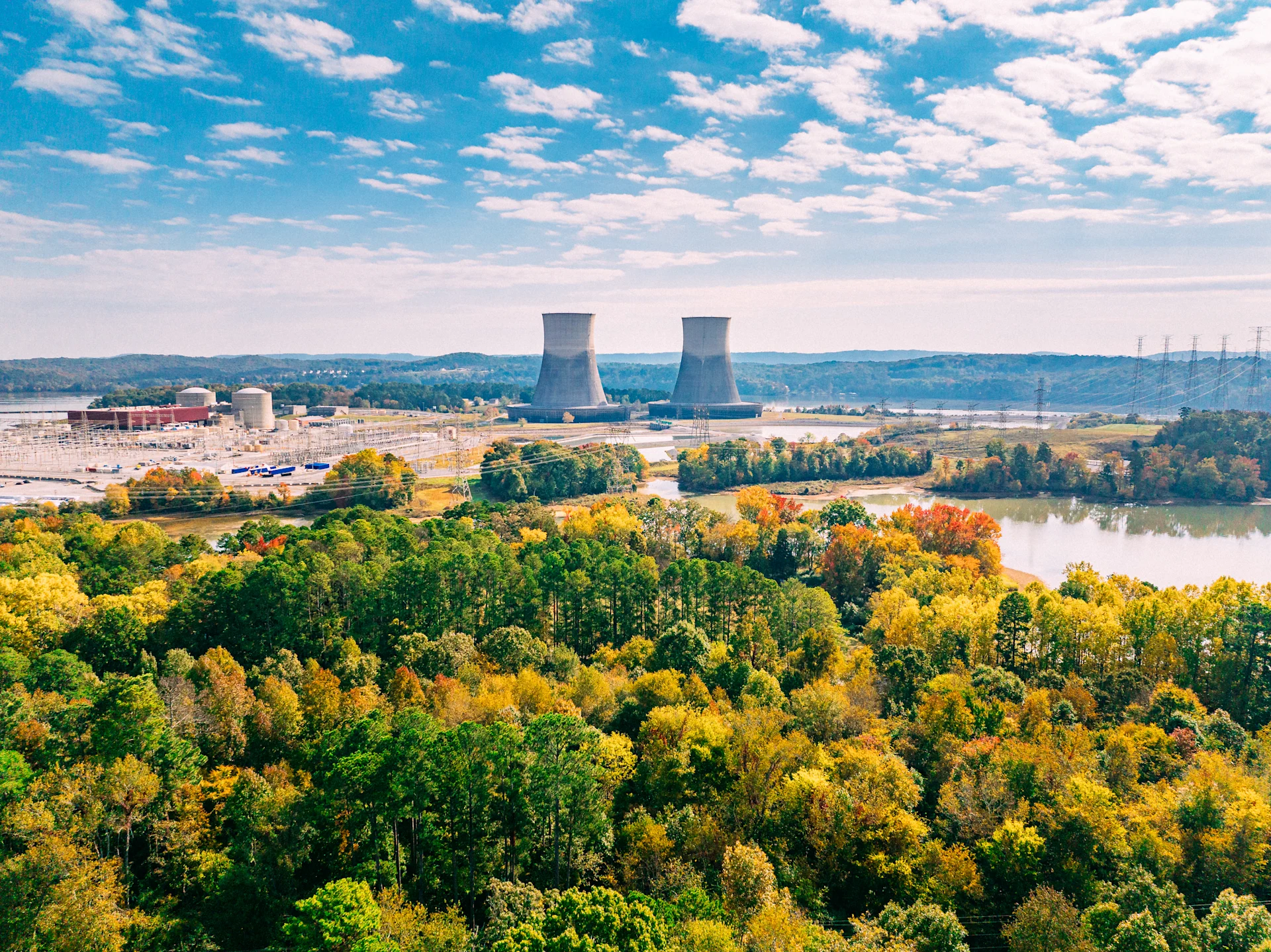
These are the companies that own and operate nuclear plants.
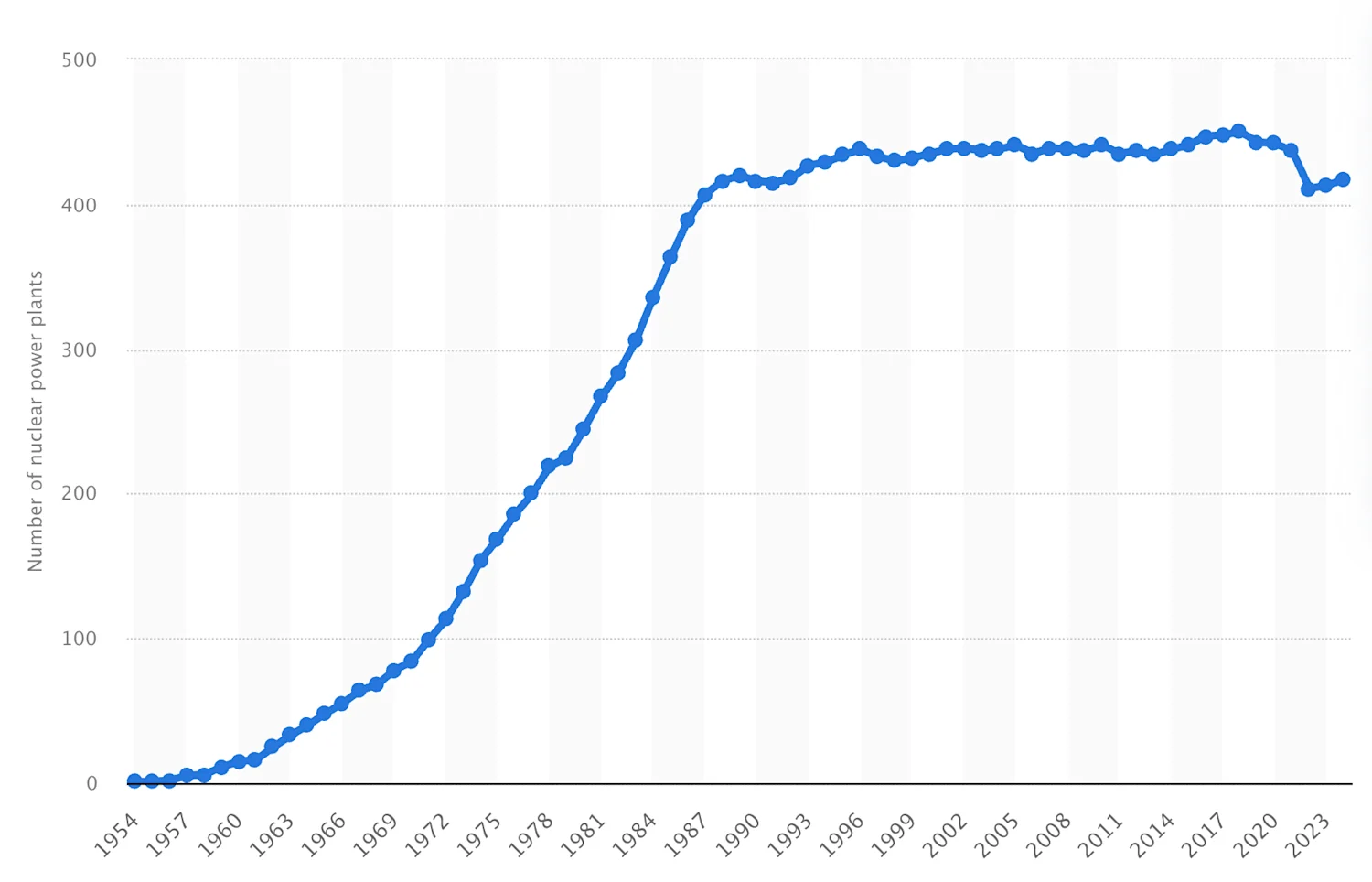
The United States operates the world's largest nuclear fleet, with 94 reactors generating approximately 782 TWh in 2024, supplying around 20% of the nation's electricity. France derives around 70% of its electricity from nuclear, the highest share of any large economy.
Utilities benefit directly from rising demand for clean, reliable electricity. Increasingly, they are signing long-term agreements with large energy users including data centre operators. This part of the market tends to offer more stable cash flows but less leverage to uranium prices.
Key names include:
3. Reactor developers: the growth segment
This is where much of the innovation sits.
Companies in this space are developing next-generation reactors, particularly small modular reactors, or SMRs. These are smaller, factory-built nuclear units designed to be deployed faster, with lower upfront costs and greater flexibility than traditional large-scale plants. The IEA projects SMRs could contribute up to 80 GW of capacity by 2040 in an upside scenario, while the IAEA estimates they could account for 24% of all new nuclear capacity added through 2050 in a high-growth case.
As of 2024, more than 127 SMR designs were under development globally, with over 33 designs entering pre-licensing with regulators, a 65% year-on-year increase.
Key players include:
NuScale Power (SMR:US)
Oklo (OKLO:US)
Rolls Royce Holdings (RR/:GB)
BWX Technologies (BWXT:US)
GE Vernova (GEV:US)
Mitsubishi Heavy Industries (7011:JP)
Lightbridge Corp (LTBR:US)
Even with a growing field of developers, SMRs remain an emerging technology, with significant uncertainty around execution, economics and real-world rollout. These challenges are outlined in the risks section below.
4. Broad sector exposure
For those looking to take a broader view across uranium, miners and the nuclear value chain as a whole, ETFs can offer a diversified way to access the theme.
Global nuclear and uranium ETFs include:
Global X Uranium ETF (URA:US)
VanEck Uranium and Nuclear ETF (NLR:US)
Sprott Uranium Miners ETF (URNM)
Sprott Junior Uranium Miners ETF (URNJ:US)
Range Nuclear Renaissance Index ETF (NUKZ:US)
Themes Uranium & Nuclear ETF (URAN)
First Trust Bloomberg Nuclear Power ETF (RCTR:US)
Direxion Daily Uranium Industry Bull 2X Shares (URAA:US)
Range Global Nuclear Renaissance ETF (NUCL:US)
ASX listed options include:
Global X Uranium ETF (ATOM)
Betashares Global Uranium ETF (URNM)
VanEck Uranium and Nuclear Technologies ETF (NUKL)
These funds vary meaningfully in exposure. Some focus primarily on uranium miners, while others include utilities, reactor developers, engineering firms and physical uranium. Investors should also be aware that smaller funds may have lower liquidity and higher volatility, making it important to review each fund’s structure, holdings, fees and management team before investing.