Case study: rate debate
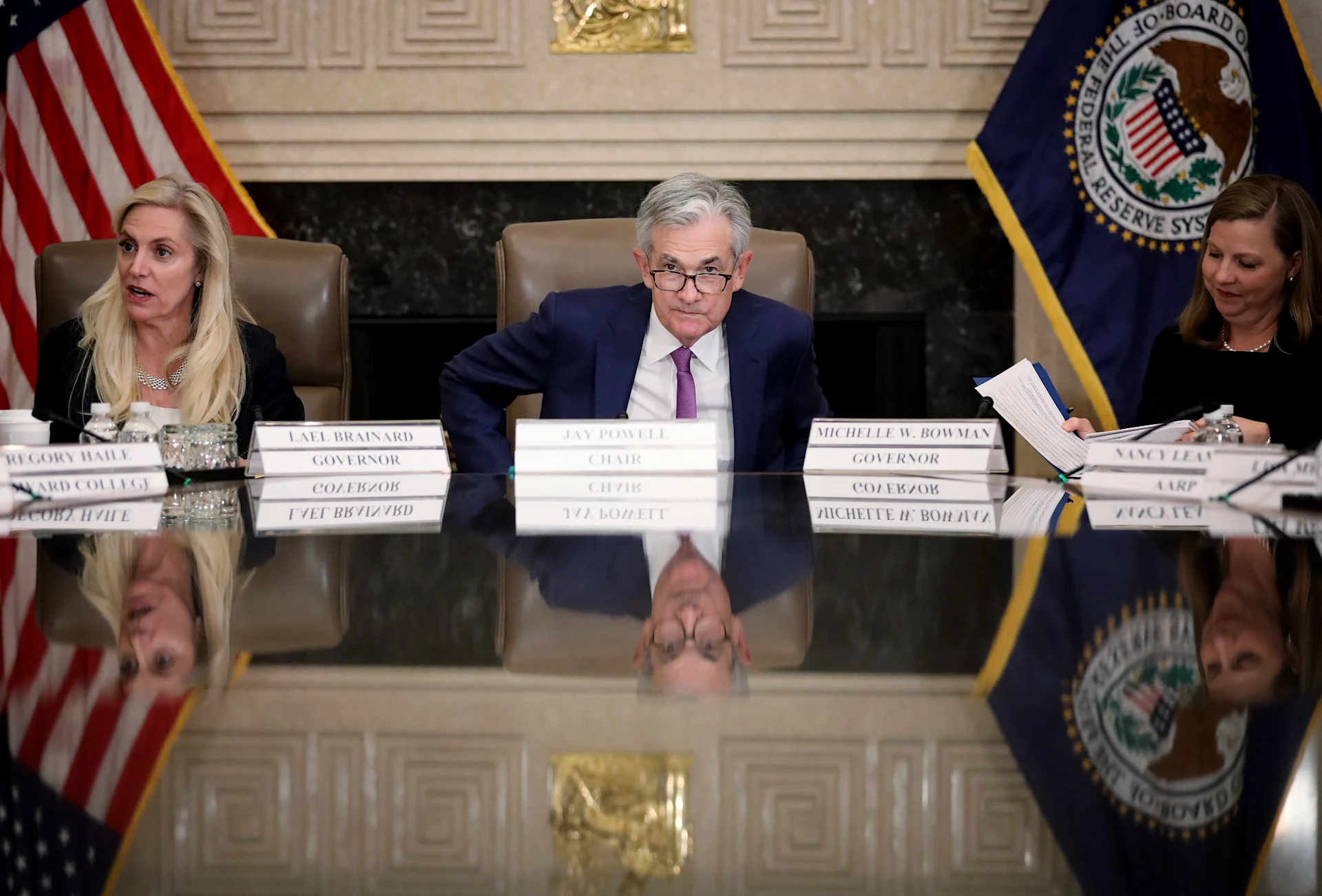
Is it always clear which way to move rates? Not at all! Rate decisions can be extremely controversial – economic experts just love to argue the merits of hiking versus cutting. It can be tricky to get your head around these discussions theoretically, so we’ll look at a case study: the US Federal Reserve’s interest rate decision in June 2019 and the debates around it. For background: interest rates were sitting at 2.25-2.5% after four rate hikes in 2018 (the Fed sets a target range rather than an absolute number to make it easier for it to control rates).
What was the argument for raising rates? US inflation, though not quite at the Fed’s target of 2%, was close enough to raise some hackles. With stock markets near record highs and unemployment extremely low, some investors were concerned about an overheating economy – which raising rates would help to cool. If a US recession was to hit in the near future – and most forecasts at the time agreed one was due – having the ability to slash high interest rates would be very handy. A dramatic cut in interest rates helped stimulate a flailing economy in 2008, for instance. If rates are already low when a recession hits, there won’t be much room to slice them and boost growth…
Why did people disagree? Some people think recessions can be fought without big interest rate cuts – they argue that other tools like government spending can do the job. And, with inflation below the magic number, they argued that a rate hike wasn’t yet necessary. In fact, many – including the US president – advocated a June rate cut. They pointed to indicators of an economic slowdown and fears that the US-China trade war could hurt growth even more. And they argued that the boost to investment that a rate cut could deliver would help to prolong economic expansion and stave off a recession.
What ended up happening? The Fed, ever the diplomat, decided to keep rates the same. It suggested that a rate cut was on the cards for later in 2019 – although the committee was divided and minds weren’t yet made up.
When rate cuts backfire
It’s worth noting that some economists question how heavily central banks rely on interest rate adjustments to manage the economy. Critics argue that keeping rates too low for too long can distort market signals, encourage excessive risk-taking, and lead to misallocated capital. This can contribute to asset bubbles and more painful downturns when those bubbles eventually burst.
As previously mentioned, the emergency rate cuts and large-scale monetary stimulus in 2020 are a case in point. While these measures supported markets during a period of extreme uncertainty, they also fuelled a surge in speculative investment, particularly in tech and high-growth sectors. Many of those assets later experienced sharp corrections, prompting debate about the long-term trade-offs of aggressive monetary policy.
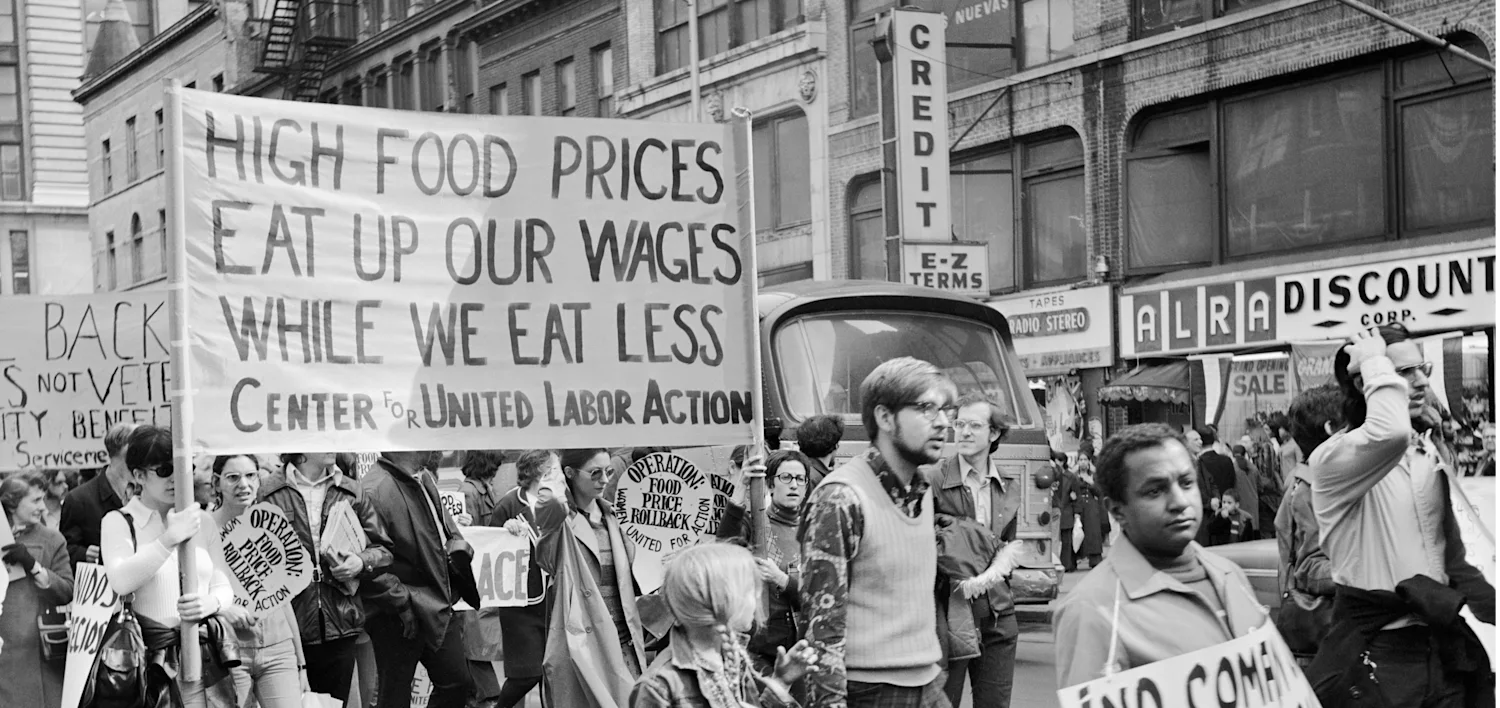
A final consideration for investors is that not all rate cuts are market-friendly. In some situations, they can do more harm than good. During stagflation, when inflation is high and growth is weak, cutting rates can push prices even higher without lifting demand. This creates a vicious cycle where inflation accelerates, policy loses credibility, and confidence erodes. In the 1970s, attempts to stimulate growth through rate cuts only worsened inflation and delayed recovery. In such environments, investor attention often shifts toward inflation-resilient sectors, companies with pricing power, and real assets that tend to perform better when central banks have limited room to move.