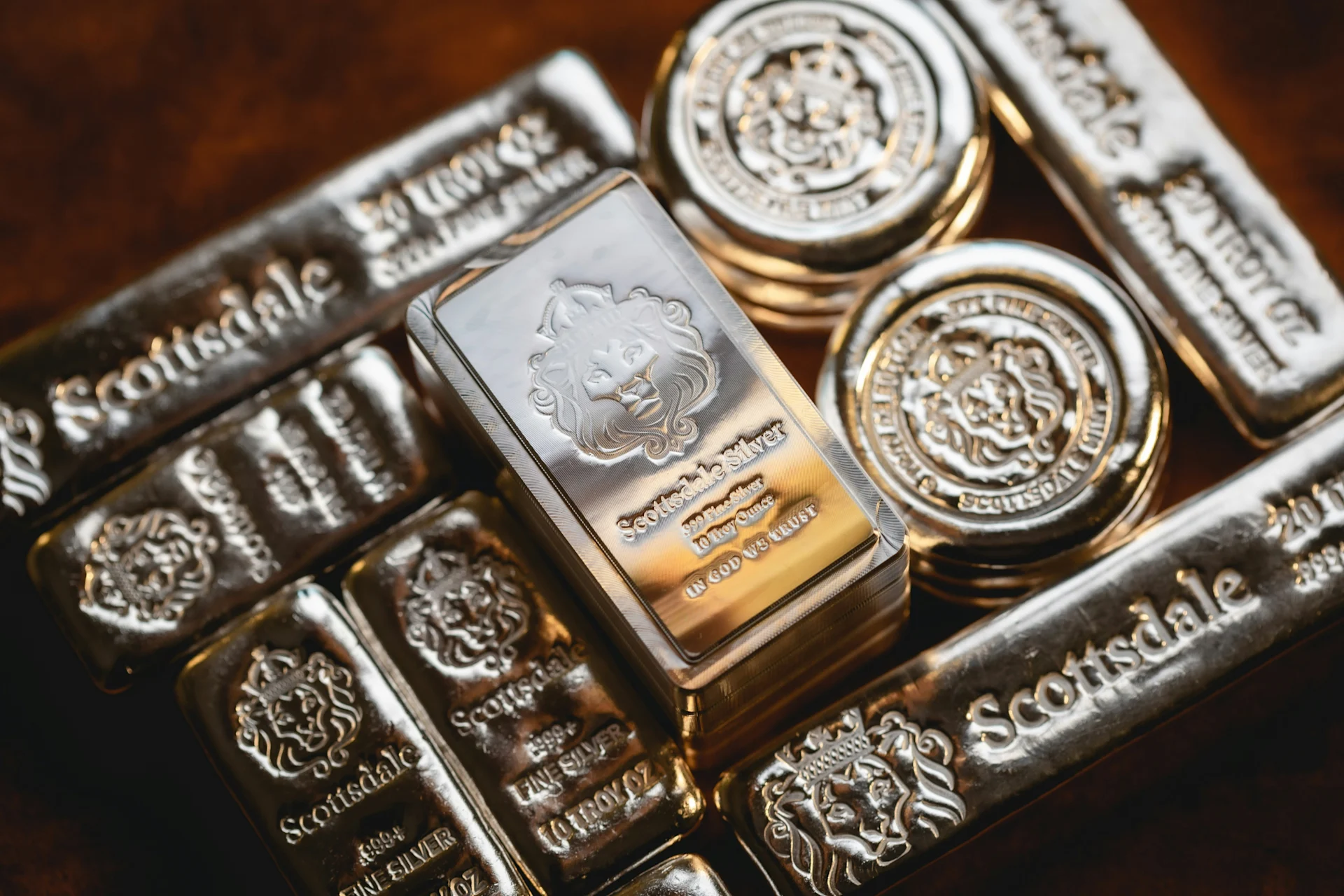
Silver is a precious metal with vast industrial uses and a long history as a store of value. For Australian investors, it can play a role in diversification, giving potential balance to equity-heavy portfolios and a way to express views on manufacturing, electrification and inflation.
If you’re interested in learning about how to invest in silver in Australia (from physical bars to ETFs and shares), here’s what you need to know.
Ways to gain exposure to silver
1. Buy physical silver
How it works
You buy the metal itself – coins or bars – and hold them. Your exposure is to the spot price (less the premium you pay over spot and any resale discount). It’s an option for investors who want tangible assets and no counterparty exposure to fund structures.
Where to buy in Australia
There’s the Perth Mint and reputable bullion dealers. Make sure you do your research and compare product premiums, buy-back policies, identification requirements and delivery/collection options. Always verify the authenticity and make sure dealers are being transparent with pricing.
Pros
Direct ownership. No fund or issuer risk.
No ongoing management fees.
Can be held long-term as part of your wealth reserves.
Cons
Premiums over spot on purchase. Discounts on resale.
Storage costs and logistics, plus insurance costs.
Lower liquidity and wider spreads than exchange-traded alternatives.
2. Silver ETFs
What they are
Exchange-traded funds give you exposure to silver prices in a single trade. Some hold physical silver in custody, such as iShares Silver Trust (SLV:US) and Global X Physical Silver (ETPMAG), while others use derivatives to track price movements.
How to buy
You can buy ETFs through a share trading account. Search the ETF code, read the PDS, check the fees/structure and place an order like any other share. If you’re new to investing, start by learning about stockbroking and international shares if you’re comparing overseas options.
Pros
Convenient and usually has tighter spreads than retail bullion.
No personal storage or insurance needed.
Easy to buy/sell during market hours.
Cons
Ongoing management fees.
May not track spot price exactly.
You don’t hold the metal directly.
3. Silver stocks
What they are
Equity exposure to silver mining companies, explorers and royalty businesses. Returns can be driven by factors such as operational performance (grades, costs, production) and the silver price. Mining companies are generally leveraged to silver moves, meaning their share prices can often rise or fall by a greater percentage than the silver price itself.
How to buy
Use a share trading platform to research and buy ASX-listed companies or overseas miners in international markets. If you’re new to shares, you’ll want to familiarise yourself with how share investing works.
Pros
Potential for dividends and growth beyond spot price.
Company-specific catalysts (discoveries, expansions) can add value.
Simple brokerage purchase with no storage required.
Cons
Company and execution risk (cost inflation, capex, geology).
Higher volatility than the underlying metal.
Commodity cycles can impact financing and valuations.