Whether it’s a new regulation set to cripple an industry or a breakthrough product that could send company profits sky-high, you’d expect breaking news to move markets and present investment opportunities aplenty. And it does – just not always in the way you’d think.
What does that mean? There are two types of financial news: the kind investors see coming and the kind they don’t. And both influence market prices in very different ways.
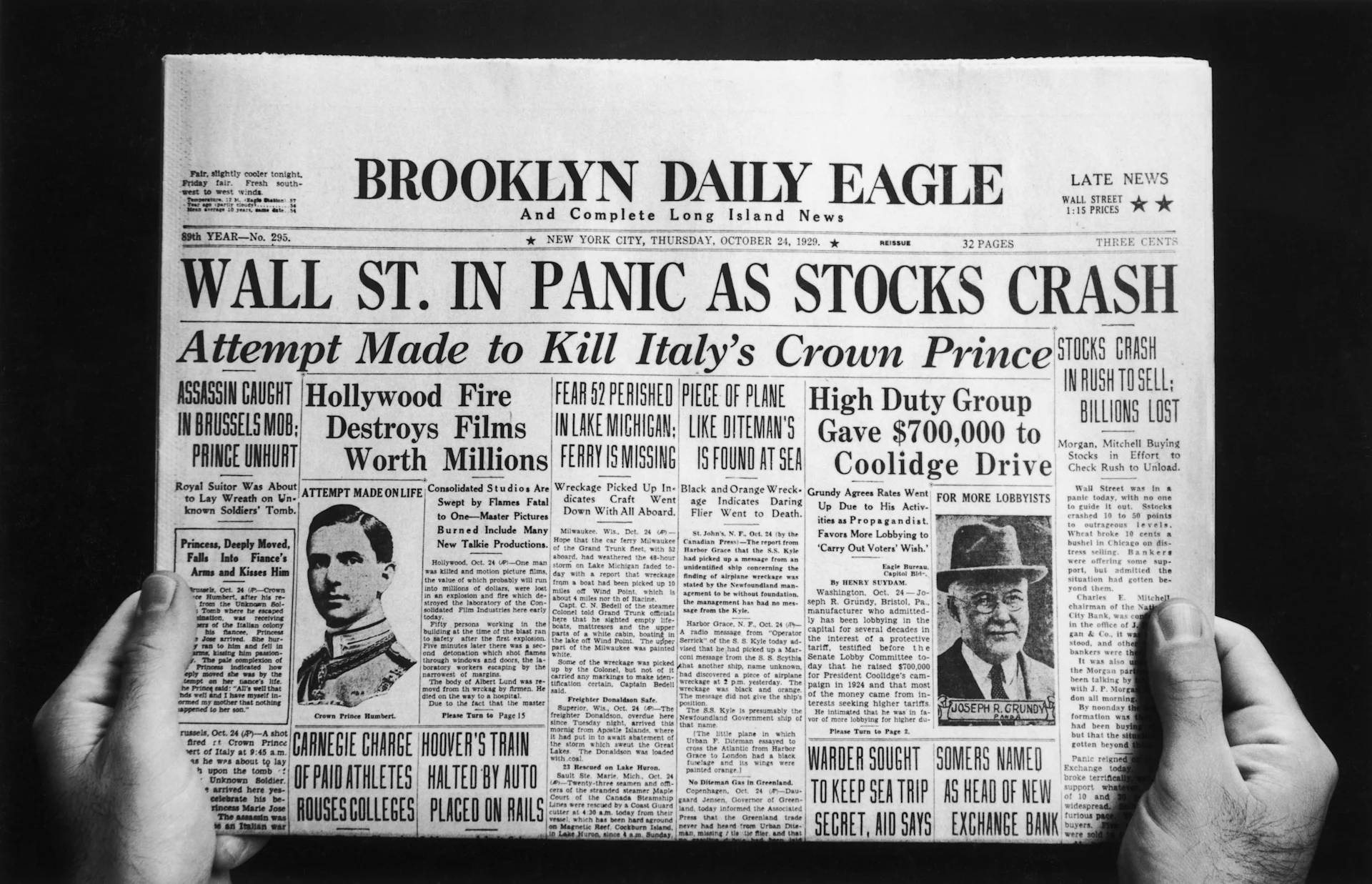
It’s the latter that probably sticks in the mind: those genuinely out-of-the-blue headlines which set prices all aflutter. Think sudden resignations from CEOs, scandals leaked to the press, breaches in cybersecurity – events like these can cause markets to plummet or soar in the blink of an eye.
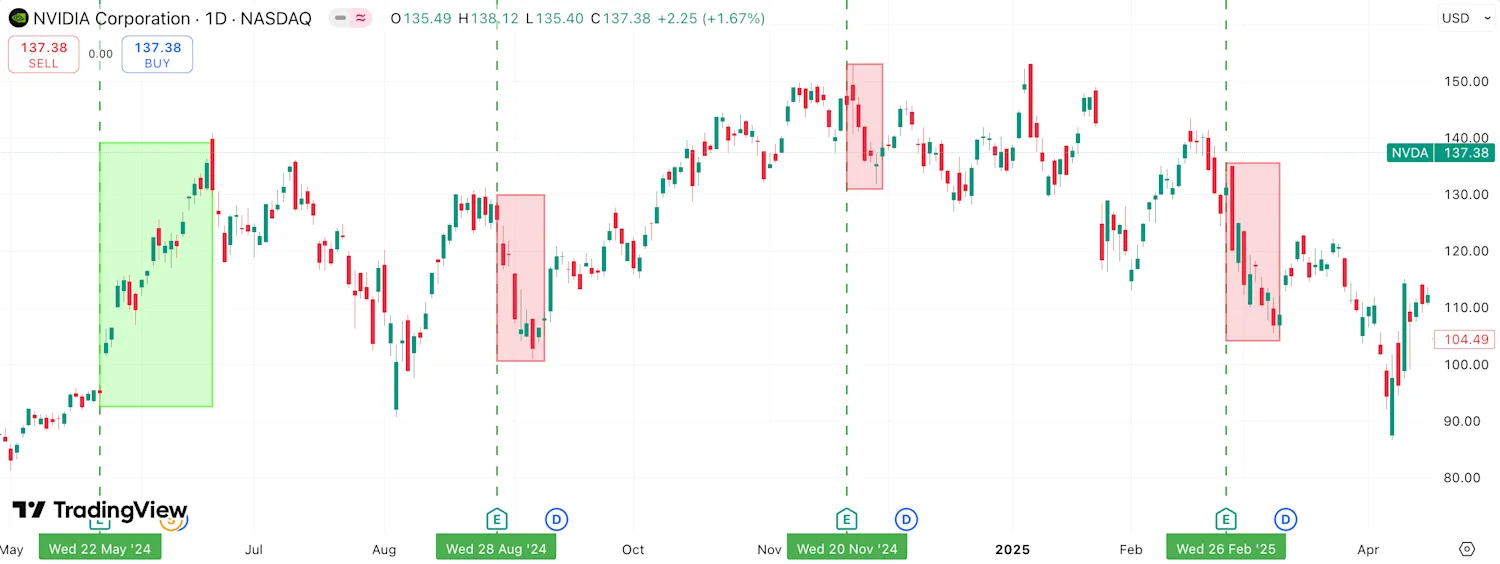
Then there are those stories any investor worth their salt knows are coming: earnings updates, interest rate decisions and so on. News like this doesn’t always cause a sudden shift in market prices. But that’s not because it’s not important. It’s just because financial markets are cleverer than you might think…
This is where things can get a little complicated, but bear with us. In this article, we’ll help you understand why stocks, bonds, and the like change when the headlines do – or, sometimes more importantly, why they don’t.
Why should I care? Because the news has a massive impact on markets. Even if you have no interest in trading on the market movements caused by breaking stories, you need to at least understand why those movements are happening (or, er, not happening). They’re sure to affect your investments one way or the other, after all.
If you are thinking of actively trading the news, you could be onto something. It’s a decent strategy many investors swear by – though as you’ll see later on, you’re up against some stiff competition. So, grab your newspaper, turn on the TV, and steel yourself for the mania of the newsroom.
How efficient markets anticipate and react to news events
Since the 1960s, a theory known as the “efficient market hypothesis” has been hugely popular in financial circles. Simply put, it states that market prices take into account all the information that’s already out in the world. That doesn’t just include all the things that have happened: it includes all the things investors think might happen too.
Following on from that hypothesis, there’s also “random walk theory”. It states that if markets reflect all existing information, the only thing that should be able to move the price of a stock is new information no one saw coming. So according to both these theories, news doesn’t just move stock and bond prices – it’s the only thing that can move them.
What does that mean in practice? It means the markets see most significant events coming. Sure, totally unexpected news still has the power to upset market prices – take BP’s 2010 oil spill, which led the oil giant’s stock to lose half its value. But most news isn’t nearly this unexpected.
Whether it’s the next blockbuster from Disney or disappointing manufacturing data from the Federal Reserve, investors are pretty good at spotting market-moving events from a long way off. As soon as rumours start flying, the price in question will start to move one way or the other in anticipation of the event. And as it becomes more or less likely, it’ll have an even greater sway. So, by the time that event actually takes place, the price will already long since have shifted to reflect the news.
Take Apple as an example. Say there are whispers it’s about to announce a new brain-implant gadget – one investors think could really catch buyers’ imaginations (not to mention whatever else they have in their heads). They start buying Apple stock in anticipation, driving the price up. And as more and more rumours about the gadget start to swirl and the hype continues to build, Apple’s share price climbs even higher...
So, when Apple actually announces the device (with its usual panache, of course), its stock price… barely moves. That’s because investors were expecting the announcement to happen, and all the gains were made before the official news came out. In other words, the event had been “priced in”.
How hypothetical is the efficient market hypothesis? Billionaire investor Warren Buffett reckons markets are quite efficient, but would advise a healthy pinch of salt with that there hypothesis. Then again, he famously ignores what goes on in the news and focuses instead on the fundamentals of a company and its longer-term prospects. As far as short-term moves go, markets do tend to be pretty good at pricing stuff.