Who is Carl Icahn?
“I’m no Robin Hood, I enjoy making the money.”
Carl Icahn
Brutal honesty and a love of lucre: that short quotation contains the two essential elements of one of the 1980s’ most notorious “corporate raiders”. In fact, Gordon Gekko – the “greed is good” villain of the 1987 movie Wall Street – was reportedly modelled on one real-life figure in particular: Carl Icahn.
Born into humble circumstances in 1936 in Brooklyn, New York, Icahn went on to become one of the most successful investors in the world – and he’s got the bank statements to prove it. Business magazine Forbes estimates that Icahn is today worth almost $4 billion, with that wealth entirely self-made. Old age may have softened him somewhat – as a signatory to The Giving Pledge, Icahn has vowed to give away the majority of his money to philanthropic causes – but the man retains a fearsome and well-deserved reputation for aggressive dealmaking forged over several decades.
Icahn started out as a stockbroker in 1961. Seven years later, he used savings and an investment from his uncle to begin trading in his own right on the New York Stock Exchange under the name of Icahn & Co. The firm focused on options trading and “merger arbitrage” – the latter an investment strategy which seeks to profit from buying and selling shares of companies involved in potential mergers, acquisitions, and other structural shake-ups.
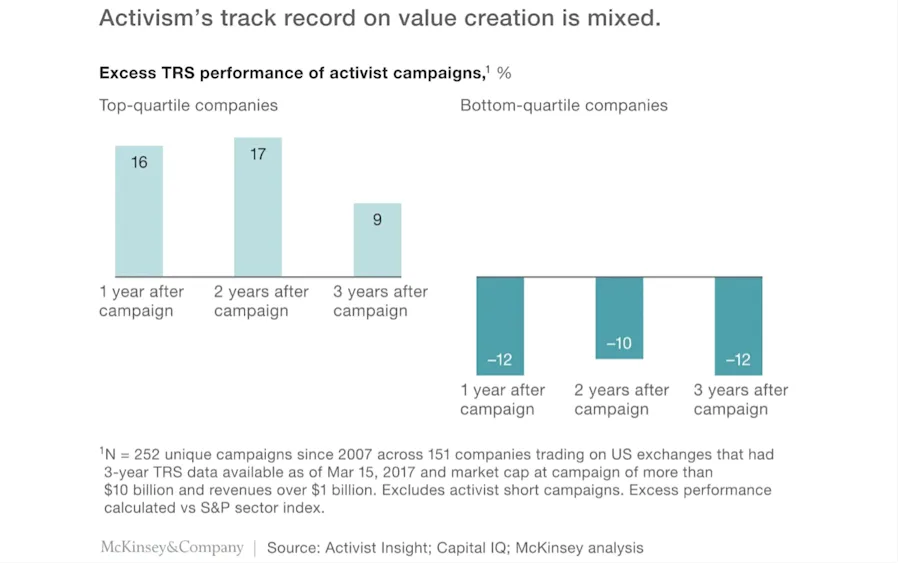
In 1978 Icahn stepped things up a notch. His investments in individual companies grew bigger and bolder, allowing Icahn to influence target firms’ decisions with the aim of maximizing shareholder value. Such “corporate raiding” became big business in the following decade. Deep-pocketed investors acquiring majority stakes in companies, often through hostile (or uninvited) takeovers, could then use their dominant shareholder voting rights to manipulate executive decision-making in their favour. The idea is that the value of a firm’s shares rise by virtue of this interference – richly rewarding its investors, including the new majority owner.
While some see corporate raiders as greedy plunderers spoiling perfectly good companies in pursuit of personal profit, others view them as important catalysts for productive change, holding management teams accountable and ensuring heightened efficiency. As mild-mannered investment legend Warren Buffett once put it, there’d be no need for raiders if every business was well run – but at some companies, the managers forget who they’re working for. Regardless of your view, it’s worth taking a closer look at this approach – now more commonly known as “activist investing” – in order to discover both how Icahn so successfully implemented the strategy and the ways in which it can inform how you manage your own investments.