Enduring consequences of the Middle East conflict
The Middle East conflict is evolving into a lasting force shaping global markets rather than a temporary disruption. Its impact on energy prices, inflation and policy expectations is driving sustained changes in investor behaviour and risk dynamics.

CMC Markets Poland
The ongoing conflict in the Middle East is increasingly having long-term, structural consequences for global financial markets. What initially appeared to be a short-lived geopolitical shock is now being reassessed as a factor that may shape market conditions over an extended period.
Oil prices back in focus
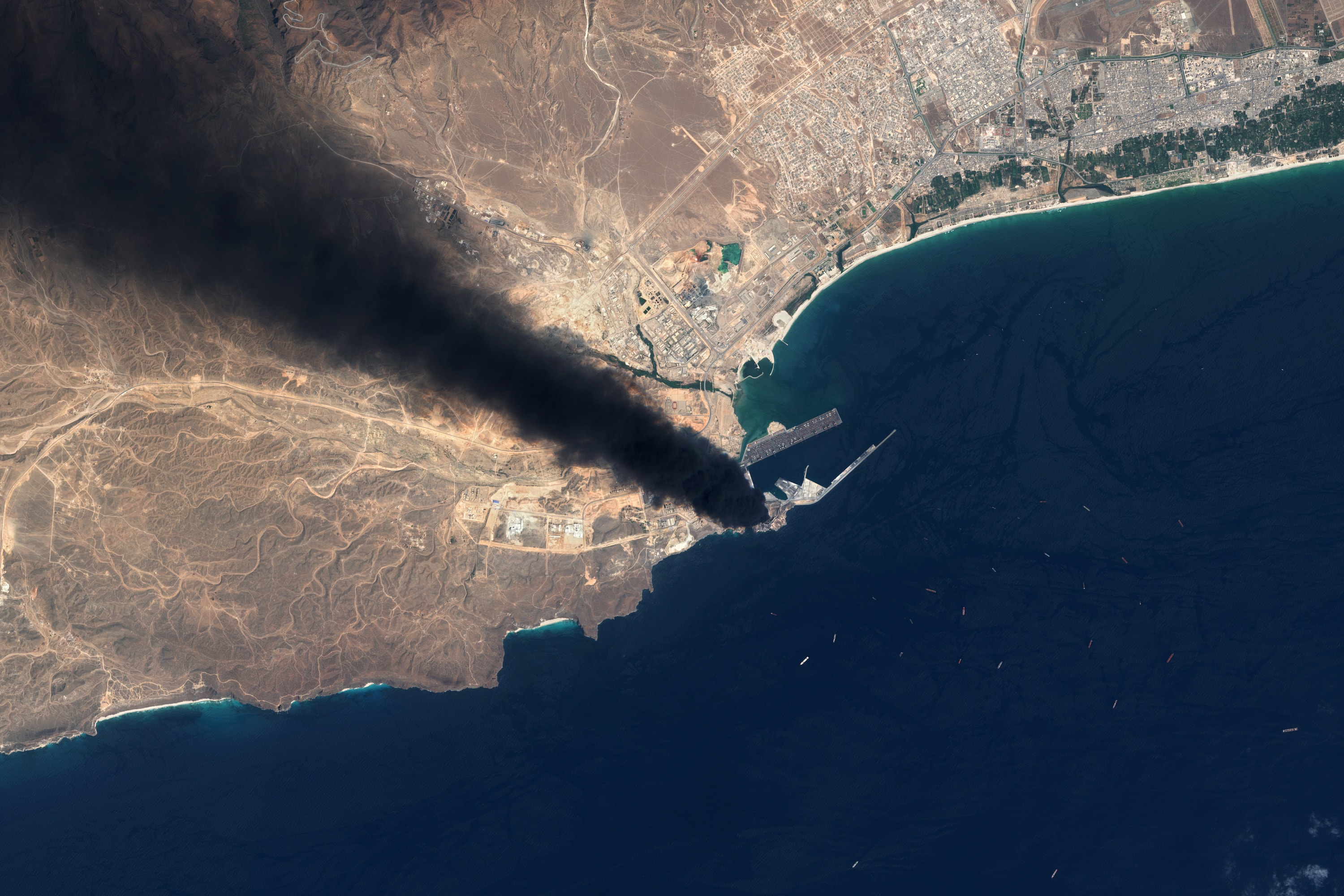
The most immediate and visible impact is on the energy market. The Middle East remains a key region for global oil supply, and any escalation raises concerns about disruptions.
As a result, oil prices have become more volatile and are trending higher, which directly feeds into inflationary pressures across major economies. The region’s importance as an energy supplier means that instability can quickly translate into global price shocks.
Inflation pressures may persist
Higher energy costs are already affecting inflation dynamics. While inflation had been gradually easing in many economies, the conflict risks reversing this trend or at least slowing the pace of disinflation.
This creates a more complex macroeconomic backdrop, where inflation may remain elevated for longer than previously expected, particularly if energy prices stay high.
Central banks face a more difficult path
For central banks, the situation introduces a clear policy dilemma. On one hand, economic growth is weakening; on the other, inflation risks remain.
This limits the scope for interest rate cuts and may force policymakers to maintain tighter monetary conditions for longer. The previously expected path towards looser policy is therefore becoming less certain.
Shifts in investor behaviour
Markets are already adjusting to this new environment. Investors are becoming more cautious and are reallocating capital towards sectors that may benefit from geopolitical tensions.
These include:
energy companies
defence-related industries
traditional safe-haven assets
At the same time, more cyclical sectors, particularly those sensitive to consumer demand, may come under pressure.
Increased market volatility
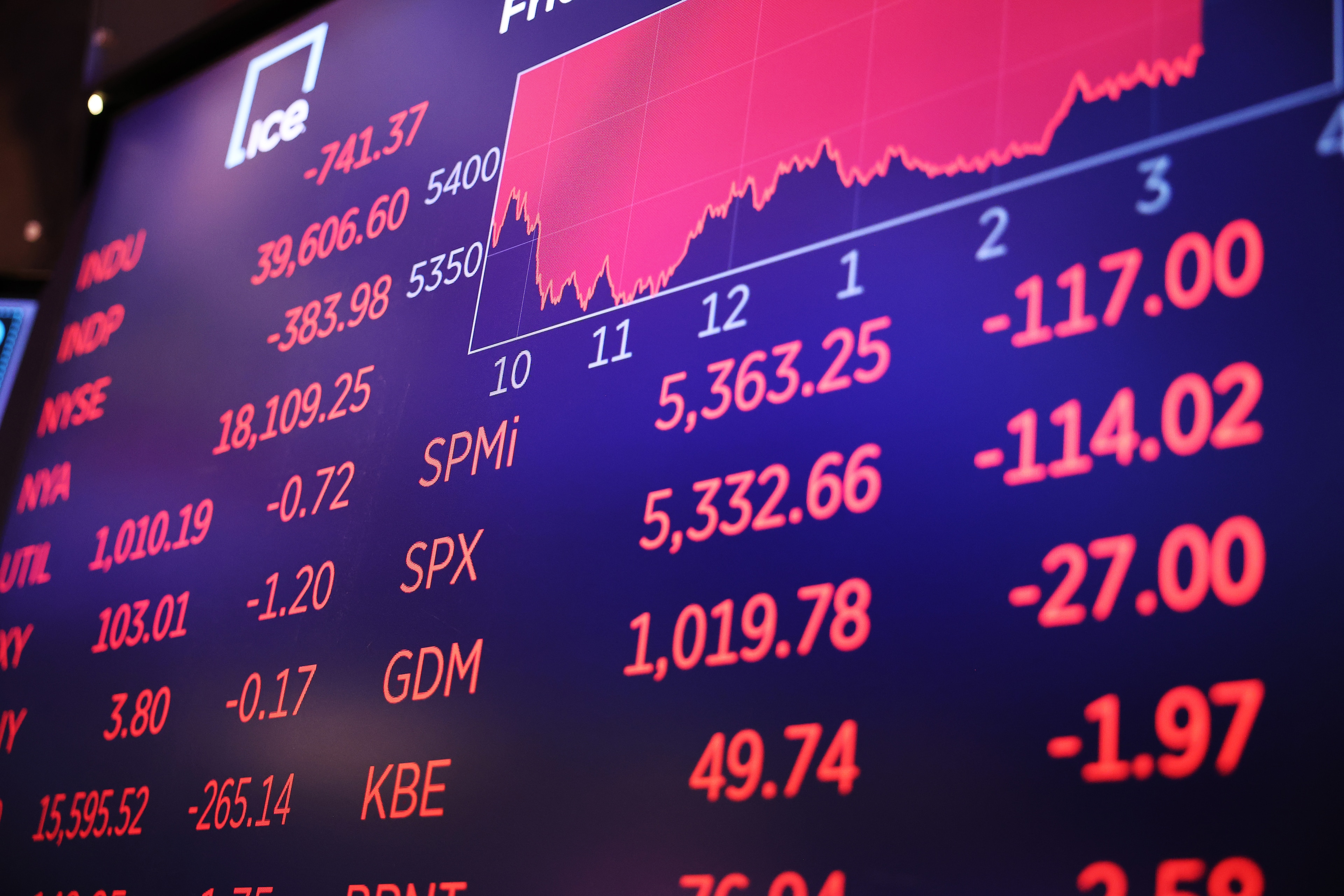
Geopolitical uncertainty typically leads to higher volatility, and the current situation is no exception. Financial markets are reacting more strongly to news flow, and risk sentiment can shift rapidly.
This environment makes short-term forecasting more difficult and increases the likelihood of abrupt price movements across asset classes.
From temporary shock to lasting factor
The key takeaway is that the conflict is no longer being treated as a temporary disruption. Instead, it is increasingly seen as a persistent driver of market dynamics.
This shift in perception has important implications for:
asset pricing
risk management
long-term investment strategies
Markets are moving from a cyclical view of the conflict to a structural one, suggesting that its effects may be felt well beyond the immediate geopolitical timeline.
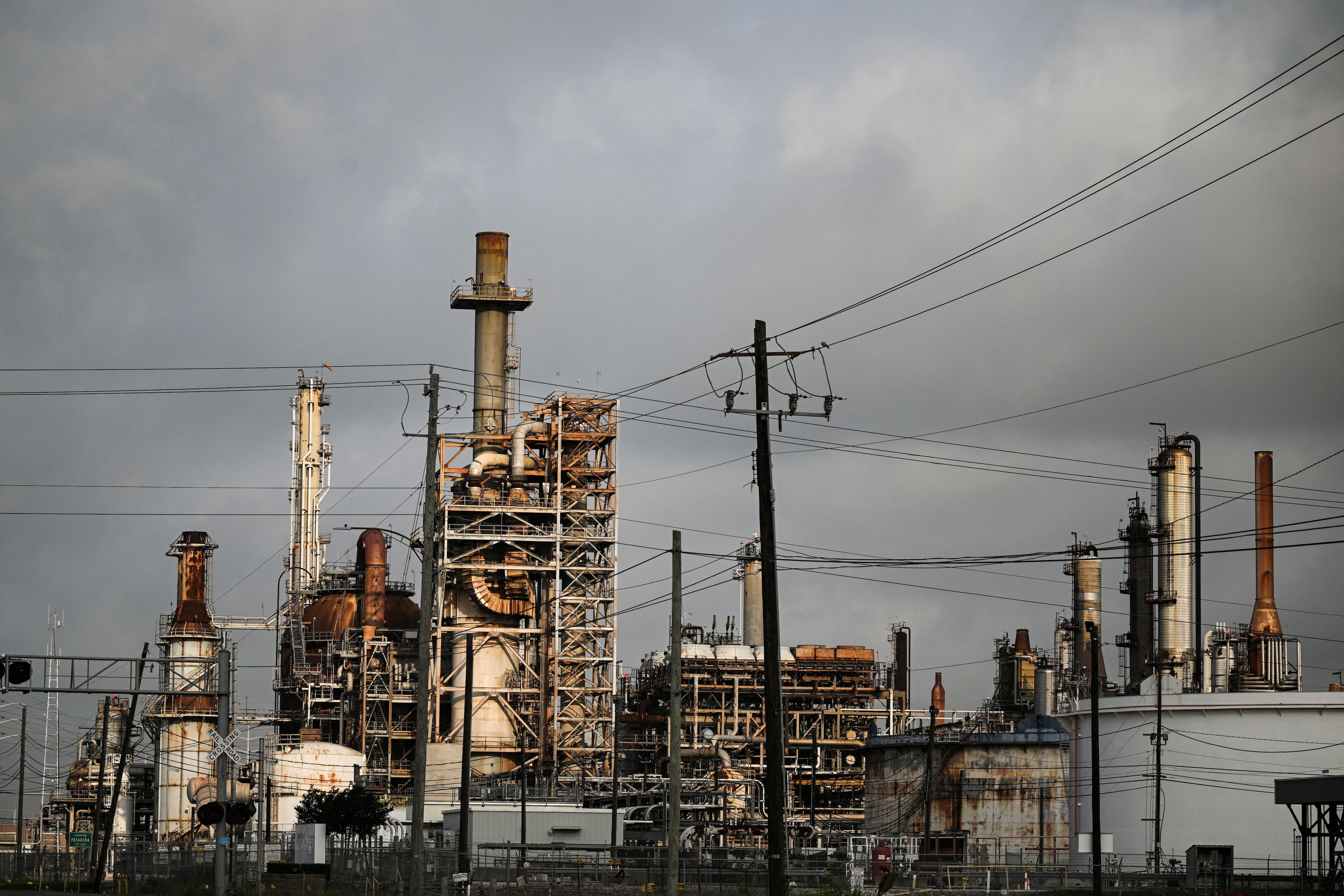
Crude oil caught between Iran tensions and supply-demand fundamentals
In part one of our four-part second-half outlook series: crude oil prices remain caught between fading geopolitical risk premiums and broadly balanced supply-demand fundamentals.