Super Friday macro: JOLTS, PCE, and Michigan with the VIX near 20
Friday brings several key US macroeconomic releases, including JOLTS job openings, the Personal Consumption Expenditures (PCE) price index and the University of Michigan consumer sentiment survey. With the Volatility Index (VIX) approaching 20, markets could see increased volatility.

Market Analyst
A macro-heavy Friday that could drive volatility
Markets face a particularly dense macroeconomic calendar in the United States on Friday. The key releases include JOLTS job openings, the Personal Consumption Expenditures (PCE) inflation indicator and the University of Michigan consumer sentiment survey.
These data points are closely monitored because they provide a broad picture of the economy. JOLTS offers insight into labour market demand, the PCE index is the Federal Reserve’s preferred inflation gauge, and the Michigan survey reflects consumer confidence and spending expectations.
With several high-impact indicators published within hours of each other, markets may see heightened volatility during the session.
JOLTS job openings: a key indicator for labour market strength
The Job Openings and Labor Turnover Survey (JOLTS) provides a snapshot of labour demand by measuring the number of available jobs in the US economy.
Investors track this data closely because it helps determine whether the labour market remains tight or is beginning to cool. Changes in labour demand can influence wage pressures and, ultimately, inflation trends.
A stronger-than-expected reading could reinforce the idea that the labour market remains resilient, while a weaker number may increase expectations that economic momentum is slowing.
PCE inflation: the Federal Reserve’s preferred gauge
The PCE price index is one of the most important inflation indicators for the Federal Reserve.
Unlike the Consumer Price Index (CPI), the PCE index captures a broader range of spending and adjusts for changes in consumer behaviour, making it the Fed’s preferred measure when assessing price stability.
Markets will be watching closely to see whether inflation continues to moderate or shows signs of persistence. Any deviation from expectations could affect interest rate expectations and asset prices.
Michigan consumer sentiment: a window into spending trends
The University of Michigan consumer sentiment index measures how households perceive the economy and their financial outlook.
Consumer confidence is a key component of economic activity because household spending accounts for a large share of US gross domestic product (GDP). A decline in sentiment could signal caution among consumers, while an improvement may suggest stronger demand ahead.
VIX near the 20-point level – a potential volatility trigger
At the same time, the Volatility Index (VIX) is approaching the 20-point level. This level is often viewed by traders as a dividing line between calm and more volatile market conditions.
When the VIX rises above this threshold, it typically reflects increased demand for hedging and greater uncertainty in financial markets. As a result, macroeconomic releases during such periods can produce sharper market reactions.
Key takeaways for markets
Several high-impact US macroeconomic releases coincide with the VIX hovering near levels associated with elevated volatility.
Investors will be watching closely for signals from the labour market, inflation trends and consumer confidence. The combination of these data points could influence expectations for Federal Reserve policy and drive short-term moves in equities, bonds and currencies.

Gold’s decline may have only started
Gold has been consolidating below key resistance levels, but several technical patterns suggest further downside may follow. Declining volatility could also indicate fading safe-haven demand and weakening momentum.
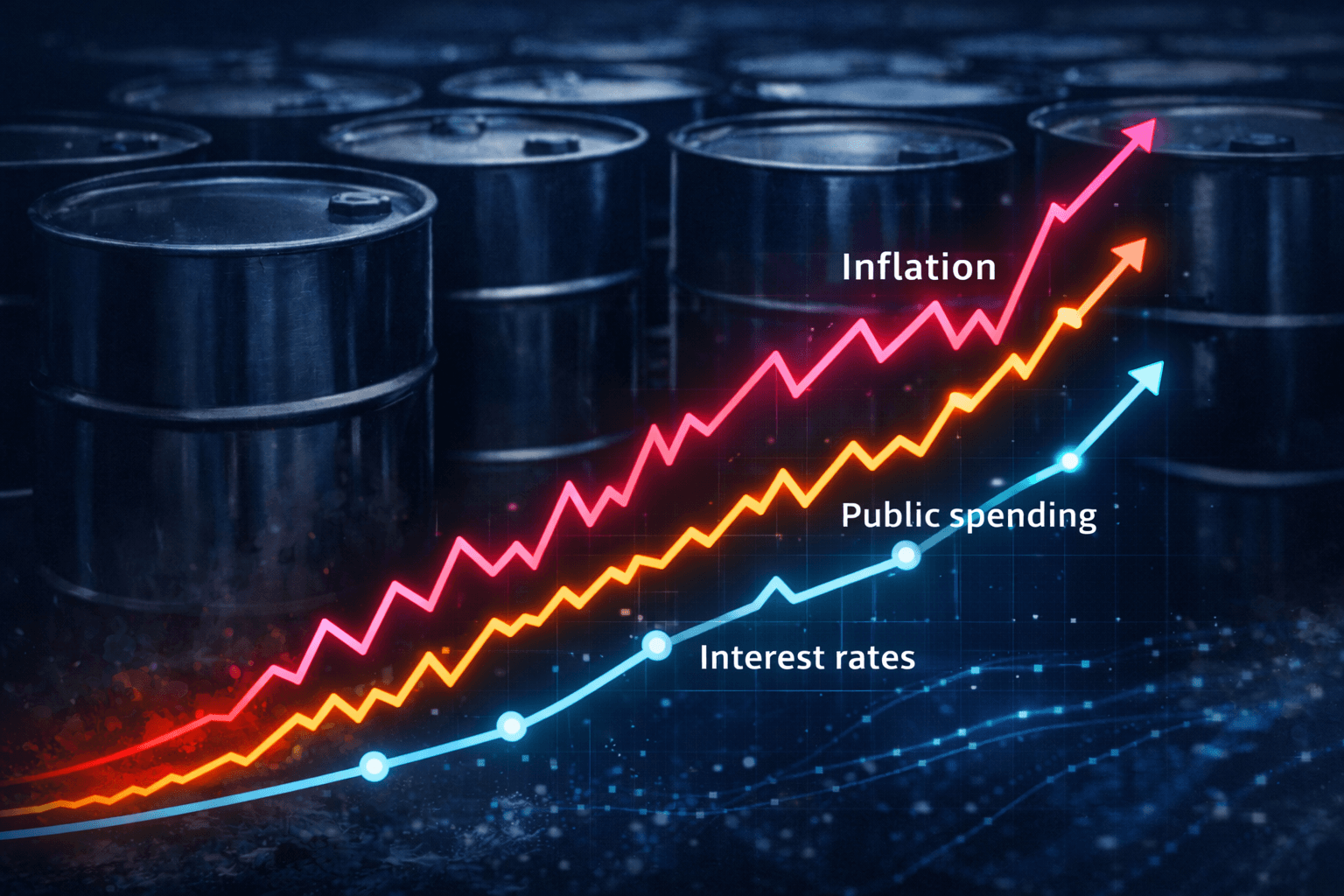
War pushes inflation, deficit and rates higher: CPI and 10-year note auction in focus
The war in Iran is affecting the interest rate curve and adding inflationary pressure through higher oil prices. Markets are now focused on the US Consumer Price Index (CPI) release, and the 10-year Treasury note auction as key indicators for interest rate expectations.

G7 weighs historic strategic oil reserve release
The G7 is considering an unprecedented release of strategic oil reserves as the risk of a prolonged Strait of Hormuz blockade intensifies. Markets are watching closely as volatility surges and key energy reports this week could shape expectations for prices and supply.