Loading...
Loading...
The DAX remains focused on the 25,000 mark after the Bank of Japan raised its policy rate to 1% and kept the door open to further tightening. Weak China retail sales are adding to concerns over global demand, which matters for German exporters even as industrial production offered a slight upside surprise.

Chief Market Analyst
The DAX remains focused on the 25,000 mark as investors digest a fresh round of global macro signals rather than any single domestic catalyst. The main headline overnight came from Japan, where the Bank of Japan raised its policy rate from 0.75% to 1% in a 7-1 vote on 16 June and kept the door open to further tightening if the economy and prices develop as expected.`n`nThat matters for Frankfurt because the move reinforces the idea that inflation is still proving stubborn enough to keep central banks cautious. Even when rate decisions are fully expected, they can still affect broader risk appetite if investors conclude that global borrowing costs may stay higher for longer.
The immediate reaction in Japan was mixed rather than euphoric. The Nikkei 225 briefly pushed above 70,000 after the decision, but it was unable to hold all of those gains through the session, which suggests investors did not see the Bank of Japan as aggressively hawkish.`n`nThat is understandable. Japanese interest rates are still low compared with those in other major economies, and no policymaker pushed for a faster tightening path. Even so, the decision is another reminder that the era of ultra-easy policy is fading, and that message can still keep equity investors slightly more selective.
China also delivered an important mixed signal for markets on 16 June. Official data showed industrial production rose by 4.5% year-on-year in May, a touch better than expected, but China retail sales fell by 0.6%, the first meaningful contraction in more than three years.`n`nFor German equities, the weaker consumption number may matter more than the industrial-production beat. Germany remains heavily exposed to Chinese demand through its export base, so any sign that domestic spending in China is faltering can quickly feed into a more cautious view on the DAX.
Against that backdrop, the DAX may struggle to build a cleaner move away from 25,000 in either direction. The market is not facing outright panic, but it also lacks a strong enough positive catalyst to fully ignore tighter central-bank policy and softer demand signals from China.`n`nIf global sentiment steadies, the index may continue to treat 25,000 as a platform for consolidation. But if investors become more concerned about the growth outlook or start to reprice the global rate path again, the same level could remain a battleground rather than a launchpad.
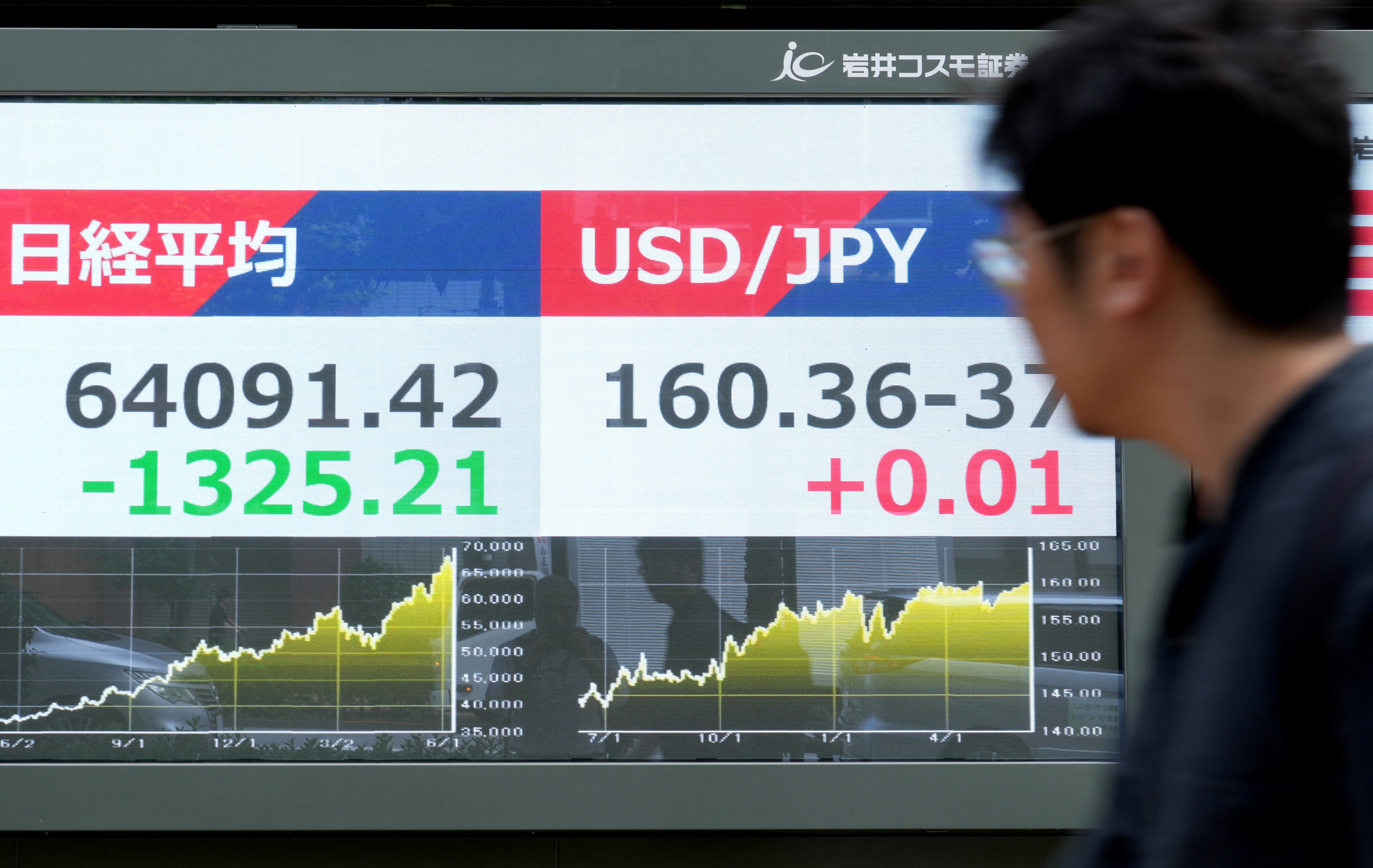
The Bank of Japan's policy decision on 16 June could define the yen's next move, with markets pricing more than a 90% chance of a rate rise to 1% and USD/JPY already trading above 160. The chart still leaves room for more upside in the pair, but lower oil prices and any hawkish surprise from the BoJ could yet give the yen some support.

The DAX is trying to stabilise back above 25,000 after another Middle East scare briefly pushed oil prices higher and revived inflation worries. With eurozone CPI, US JOLTS data and central-bank meetings approaching, traders are balancing geopolitics against a still-dominant appetite for AI and semiconductor names.

The DAX is struggling for direction as investors split between Wall Street optimism and a more defensive summer stance. Infineon is still benefiting from the AI and semiconductor trade, while SAP and Bayer remain under pressure amid profit-taking and legal uncertainty.