Loading...
Loading...
The DAX is stabilising after a sharp loss as markets digest the latest escalation in the Middle East, but the reaction has so far stayed more contained than the jump in energy prices might suggest. Oil prices, EUR/USD and the length of the conflict are now likely to shape whether Europe can absorb the shock as easily as Wall Street.

Chief Market Analyst
The DAX is showing a sizeable loss on the Frankfurt board, but the broader market reaction to the latest escalation in the Middle East still looks relatively moderate. Given the sharp rise in energy prices, the German source argues that equity losses around the world could have been much heavier.
That leaves investors focused on two immediate variables: how long the higher level in crude oil prices lasts, and how EUR/USD develops from here. For European markets, both matter because they feed directly into inflation expectations, imported energy costs and the outlook for economic growth.
The source notes that US President Donald Trump is officially assuming a possible duration of four to five weeks for the military conflict. On that time frame, the impact on the European economy could remain manageable, especially if crude prices stay around the $80 to $85 area.
The more difficult scenario would be a sustained move above $100 that lasts for several months. That would become a much more serious factor for Europe because higher energy costs could weigh on growth and bring inflation pressure back into focus.
Japan and China are also exposed because both depend heavily on external oil supplies. A longer disruption to supply chains could slow global growth and lift inflation again, which would make the current market calm harder to sustain.
The US is in a different position. The source points out that fracking has turned the country into a net exporter of crude oil products, leaving US companies less directly exposed to the Middle East escalation than Europe or China. That helps explain why Wall Street has almost recovered its pre-market losses faster than the DAX.
Inside the DAX, cyclical sectors and financial stocks are carrying much of the pressure. The relative winners are more crisis-sensitive or defensive names, including Rheinmetall, Deutsche Boerse, RWE, Munich Re and Fresenius Medical Care.
For now, that pattern still looks like a typical market response to a geopolitical shock. The source stresses that the situation should continue to be monitored and not underestimated, with the diplomatic positioning of Russia and China likely to remain important for the next stage of the market reaction.
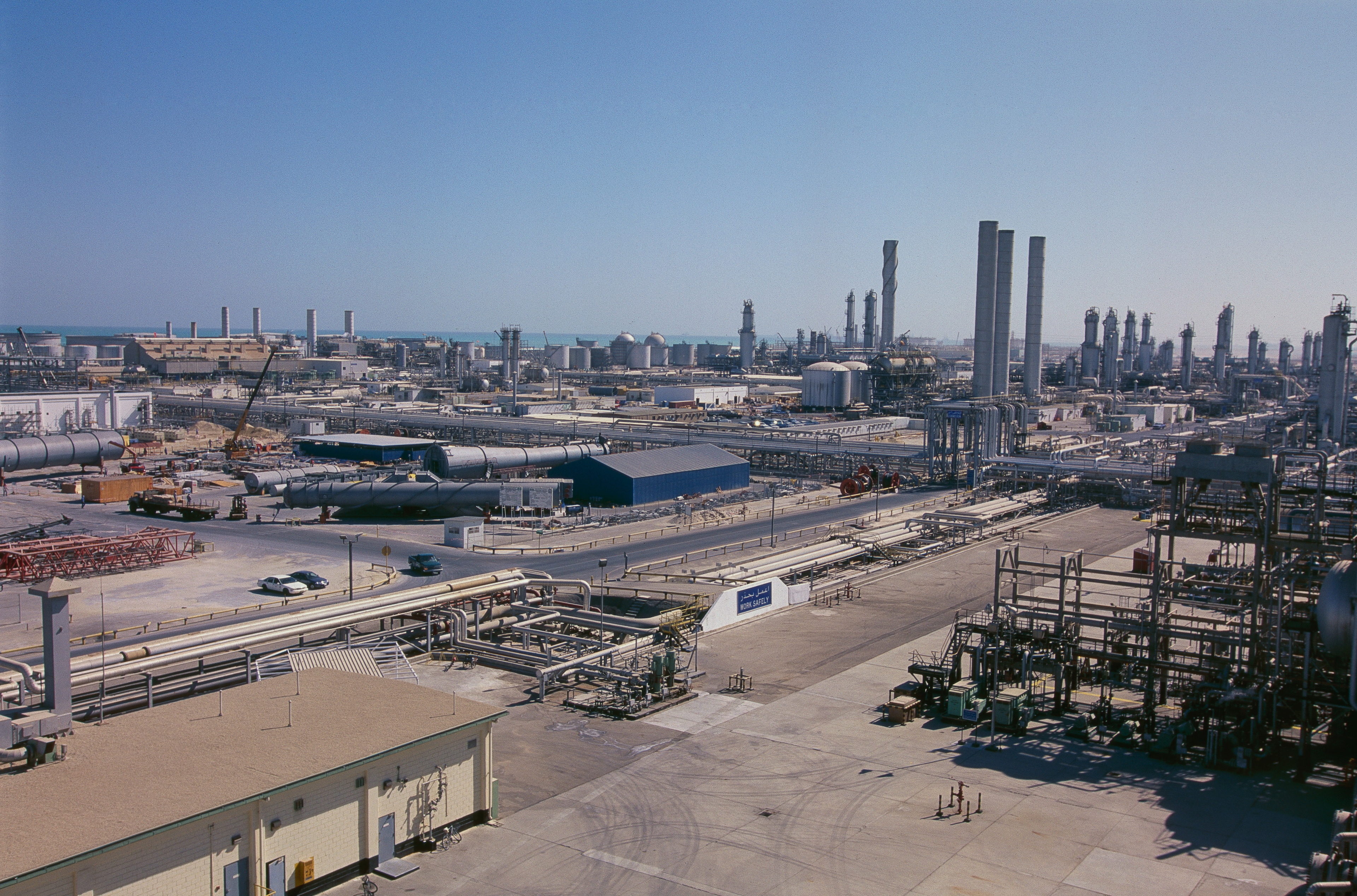
Escalating tensions around Iran and the Strait of Hormuz are keeping energy markets on alert and adding a fresh layer of inflation risk for global equities. Brent crude remains elevated, the DAX is feeling the pressure from Europe's energy sensitivity, while Wall Street continues to balance geopolitical risk against resilient demand for large-cap technology stocks.
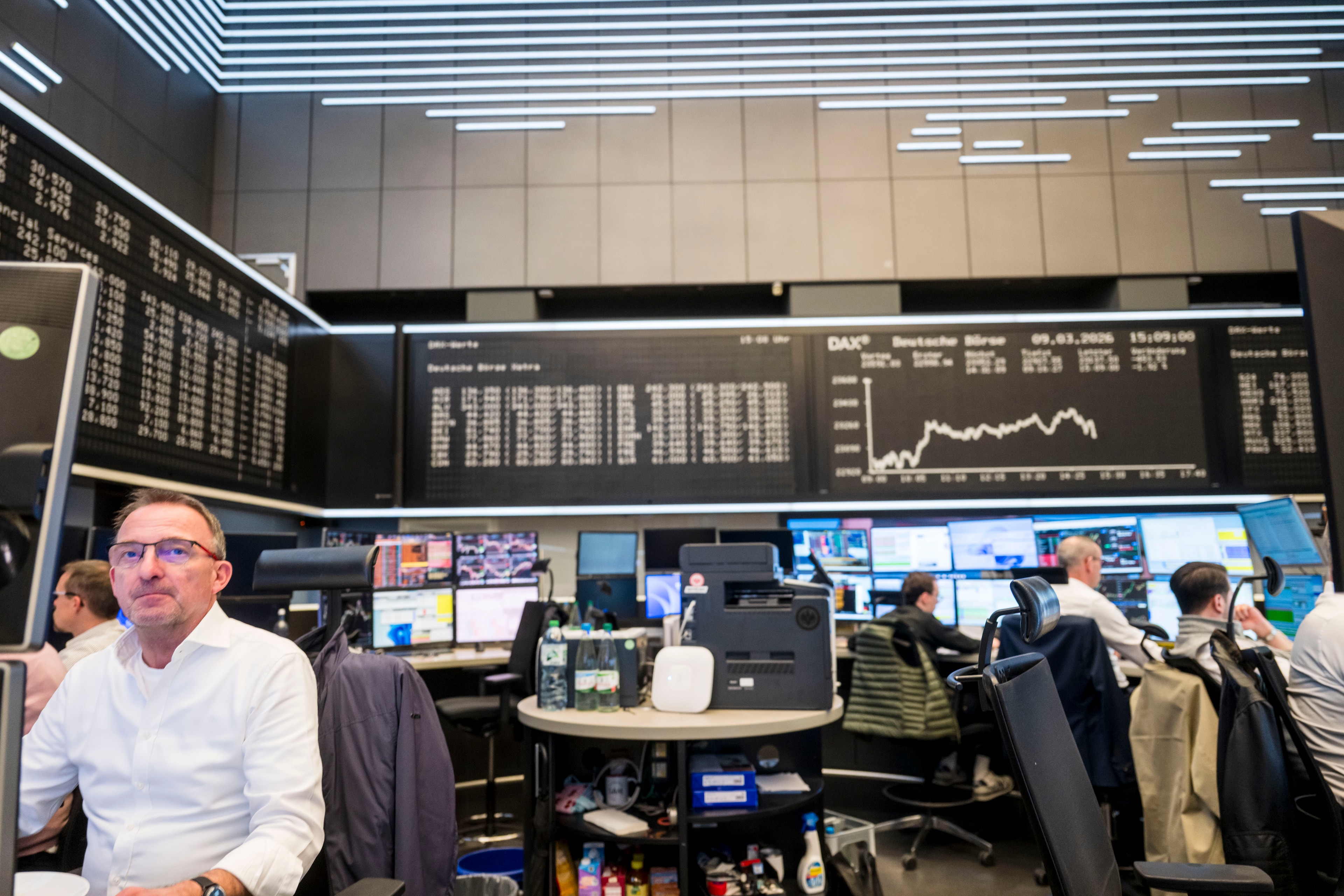
The DAX is finding support after Wall Street's rebound lifted sentiment across Asia, with investors buying back into technology and chip stocks. Infineon has benefited from that renewed AI optimism, but oil prices and upcoming German and US data could quickly take control of the market narrative again.
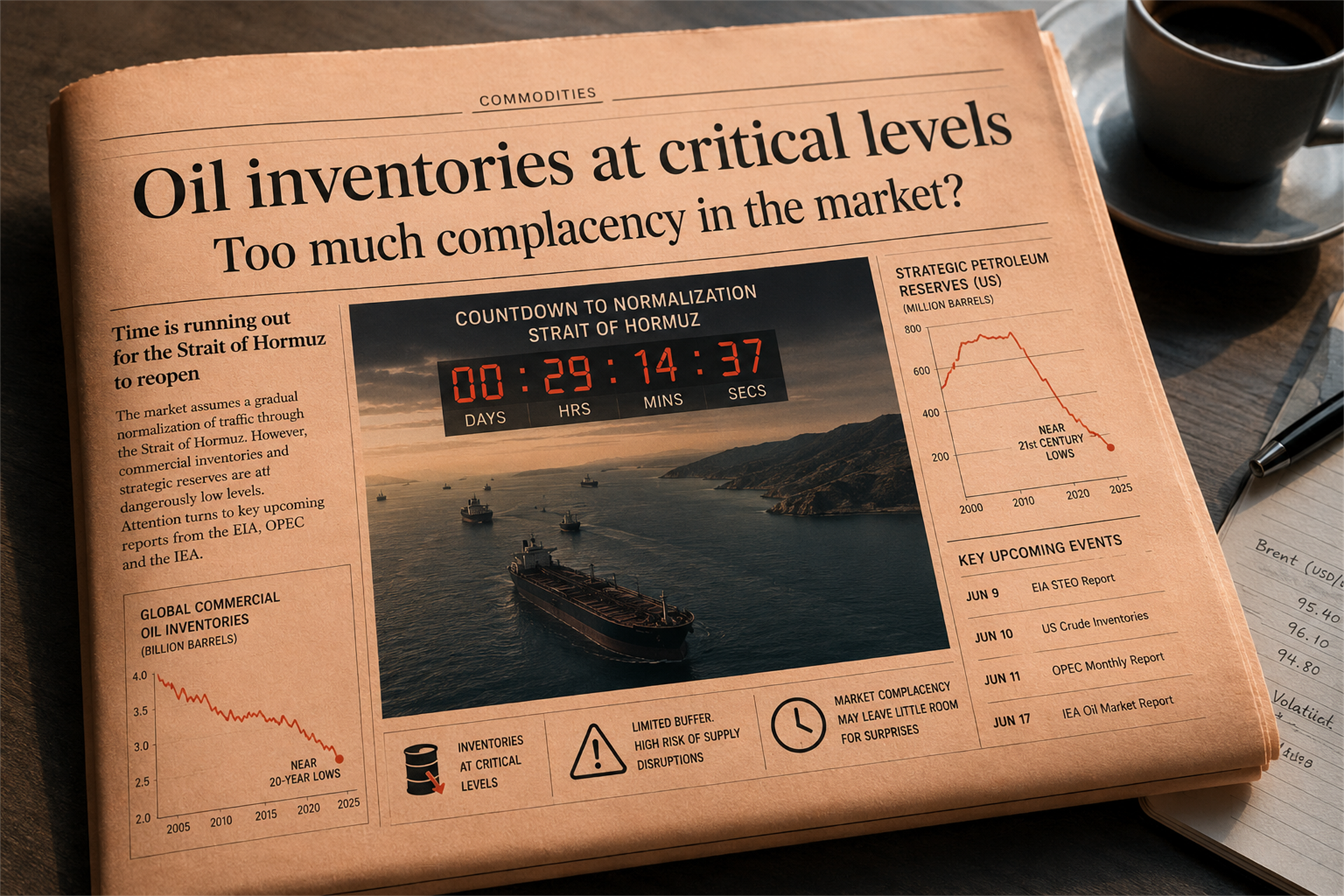
Brent prices and volatility measures suggest the market is betting on a gradual easing of Middle East tensions, but physical oil buffers remain thin. With commercial inventories near two-decade lows and US strategic reserves still depleted, upcoming EIA, OPEC and IEA updates could test whether that calm is justified.