Loading...
Loading...
Brent prices and volatility measures suggest the market is betting on a gradual easing of Middle East tensions, but physical oil buffers remain thin. With commercial inventories near two-decade lows and US strategic reserves still depleted, upcoming EIA, OPEC and IEA updates could test whether that calm is justified.

Market Analyst
Brent and WTI have both moved into a broader consolidation phase after the most acute period of Middle East tension, and risk gauges tied to oil have also fallen back. The market is increasingly willing to assume that the worst-case supply disruption scenario is fading rather than intensifying.
That calmer pricing matters because it shapes how traders interpret every new headline around the Strait of Hormuz and regional shipping. If the market keeps treating the conflict as manageable, oil may stay contained for longer even if the political backdrop remains fragile.
The source highlights that Brent is still in backwardation, but the forward curve points to materially lower prices beyond the current year. That implies traders expect supply stress to ease over time rather than escalate into a more durable energy shock.
Those expectations broadly fit with official forecasts from the US Energy Information Administration, but they also leave less room for error if reality diverges from the path currently embedded in futures pricing. When the market prices normalisation early, even a small delay to that process can start to matter more.
This is where the Spanish piece becomes more cautious. Commercial oil inventories remain close to their lowest levels since 2004, while the US strategic petroleum reserve is still depressed after years of drawdowns. In practical terms, that means the physical market may have less protection against a fresh supply shock than current price action suggests.
The source also notes warnings from major energy executives that the market is operating with a shrinking cushion. If flows through the Strait of Hormuz are disrupted again, the combination of low inventories and depleted reserves could make prices react more violently than the recent drop in volatility implies.
The next check on that complacency may come from the flow of official data and forecasts. The source flags the EIA, OPEC and IEA as the key upcoming milestones, because each has the potential to reshape how investors think about the balance between demand resilience and supply risk.
If those updates confirm a tighter underlying market, Brent may have to reprice the idea that geopolitical risk is fading smoothly. If they instead support the market's calmer narrative, oil could remain range-bound for longer. For now, the bigger message is that headline volatility has eased faster than the underlying inventory story.

Brent crude has fallen back towards a key $93-$96 support zone as hopes for easing tensions between the US and Iran improve the outlook for supply through the Strait of Hormuz. The market is now close to a major technical decision point, with support potentially setting up either a deeper reversal towards $72 or a renewed move back towards the $119 highs.
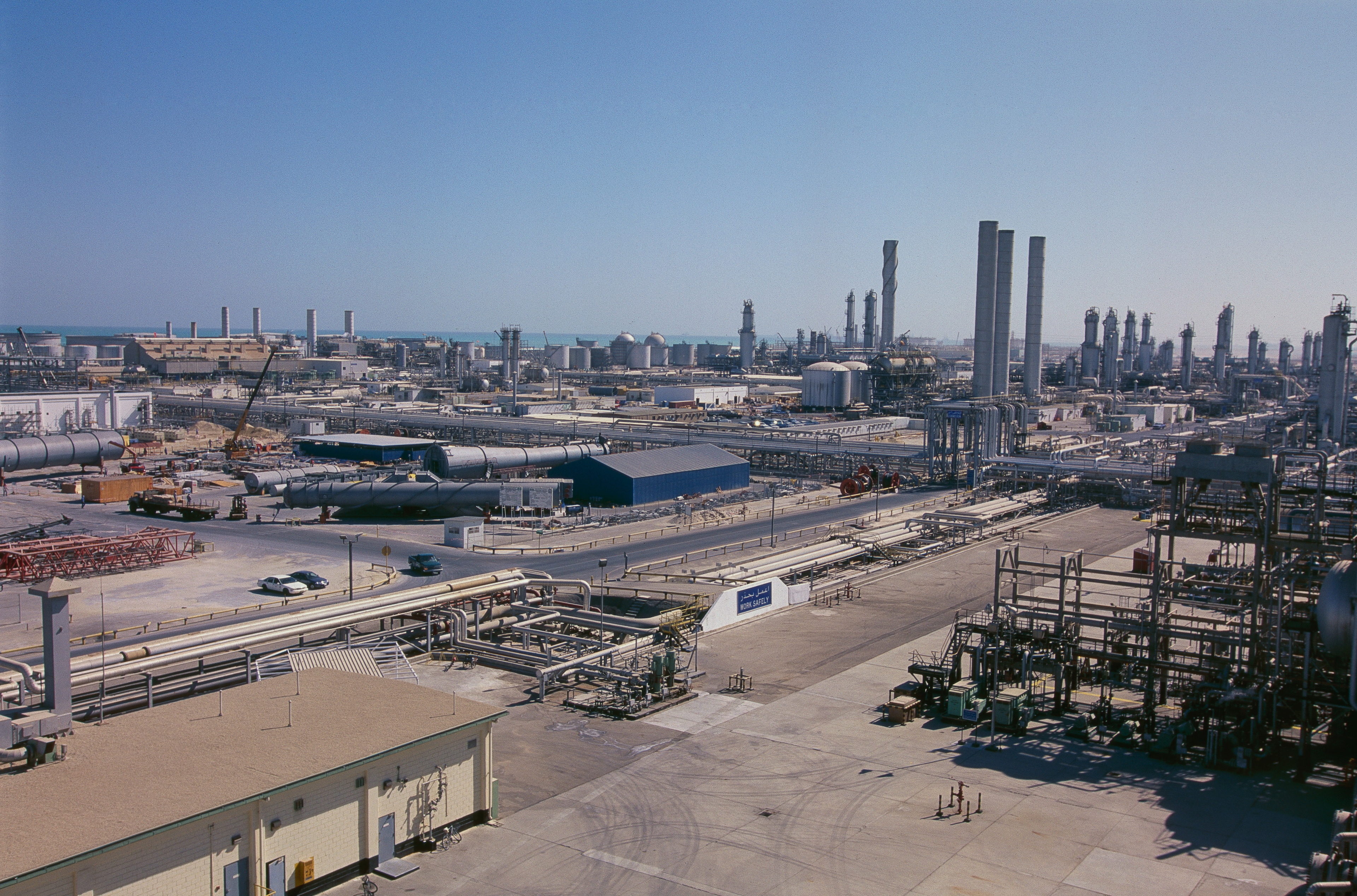
Escalating tensions around Iran and the Strait of Hormuz are keeping energy markets on alert and adding a fresh layer of inflation risk for global equities. Brent crude remains elevated, the DAX is feeling the pressure from Europe's energy sensitivity, while Wall Street continues to balance geopolitical risk against resilient demand for large-cap technology stocks.