Loading...
Loading...
The DAX is still hovering around the 25,000-point area after Thursday's close above that level, but investors are treating the US-Iran agreement as fragile rather than resolved. Oil is off its recent highs but has edged around the $80 area again, while Friday's European derivatives expiry could keep Frankfurt trading choppy despite the US Juneteenth holiday.

Chief Market Analyst
The DAX has moved back above the psychologically important 25,000-point mark, but the move still looks more like a test than a decisive breakout. After closing at 25,026.80 on Thursday, delayed Friday quotes showed the index trading a little above 25,100, leaving it close to the resistance area that has capped several recent attempts to extend the rally.
That makes the near-term technical picture fairly simple. A sustained break above 25,000 could open the way for another attempt at the record area near 25,500. Another rejection, however, could encourage profit-taking before the quieter summer trading period.
The initial relief around a preliminary US-Iran agreement has not disappeared, but it has become more conditional. Recent reports still point to a 60-day negotiation window, yet the tone around follow-up talks has become less clean-cut, with Iranian officials approving the framework while stressing reservations and the US side facing fresh uncertainty over the next diplomatic steps.
That leaves markets in a familiar middle ground. Investors are not pricing an immediate return to a full regional crisis, but they are also less willing to treat the agreement as a finished peace settlement. Brent crude has eased sharply from its earlier crisis highs, but its move back toward the $80 area shows that the geopolitical risk premium has not been fully removed.
Friday's session is also shaped by the quarterly expiry of European derivatives. The simultaneous expiry of index futures, index options and single-stock options can lift turnover and create sharper individual share moves, even when the broader index does not travel far.
The US backdrop should be quieter. NYSE and Nasdaq cash markets are closed for Juneteenth on Friday 19 June 2026, and the holiday has already shifted much of the US expiry focus into Thursday. That means Frankfurt may see a busier morning around European positioning, followed by thinner global liquidity later in the day.
For the Germany 40, the link between diplomacy and energy prices remains important. Germany's market is still heavily exposed to cyclical, industrial and export-sensitive companies, so a renewed oil shock would quickly feed back into concerns about margins, inflation and demand.
For now, the calmer interpretation is that Iran's latest rhetoric is part of a negotiating process rather than a sign that renewed military escalation is imminent. But the DAX is not far enough above 25,000 to ignore the risk. If oil stabilises and the US-Iran talks remain alive, the index may keep pressing higher. If negotiations deteriorate and Brent crude rises again, the current range-bound pattern could give way to a more pronounced pullback.
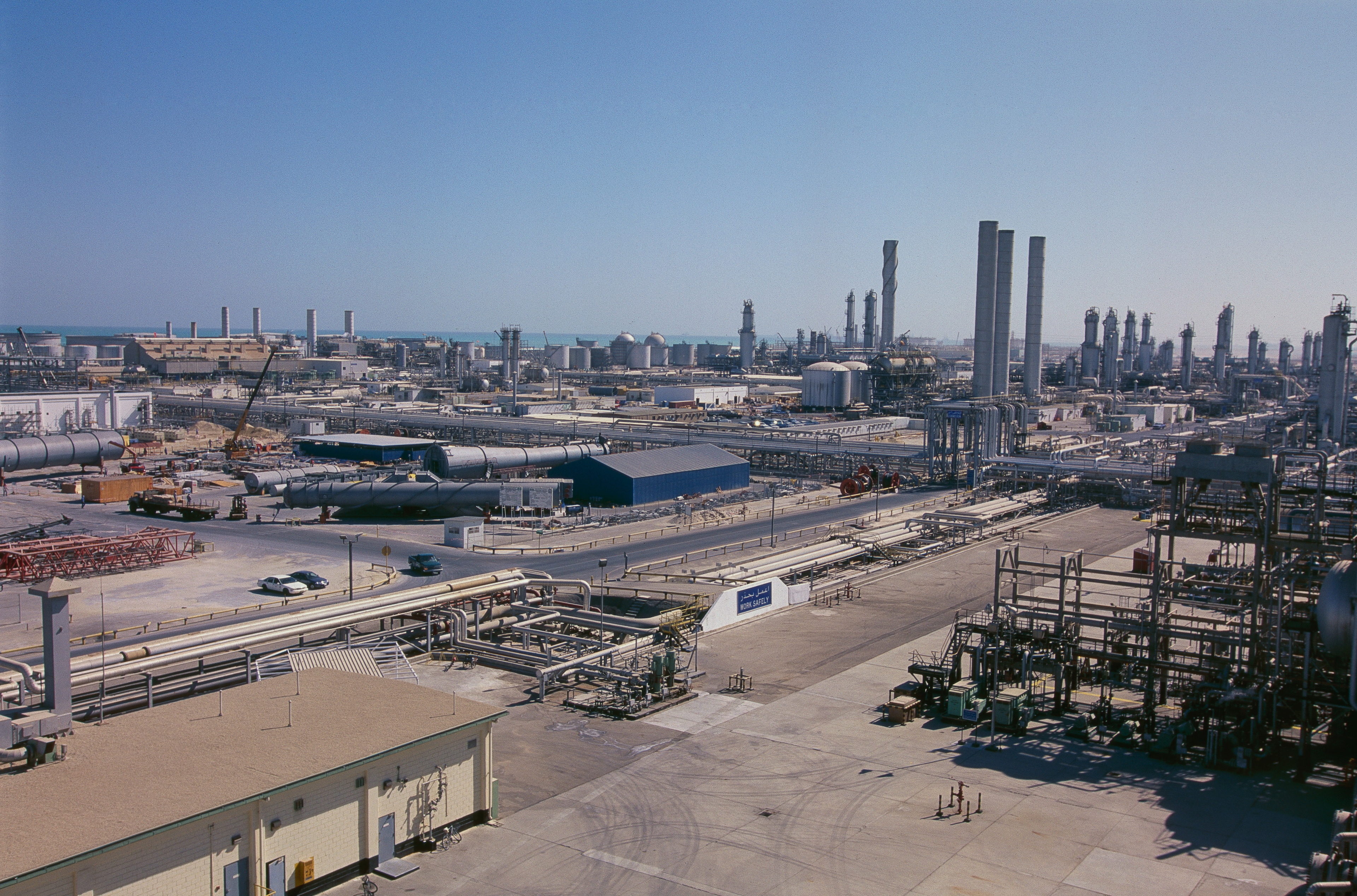
Escalating tensions around Iran and the Strait of Hormuz are keeping energy markets on alert and adding a fresh layer of inflation risk for global equities. Brent crude remains elevated, the DAX is feeling the pressure from Europe's energy sensitivity, while Wall Street continues to balance geopolitical risk against resilient demand for large-cap technology stocks.

The DAX is stabilising after a sharp loss as markets digest the latest escalation in the Middle East, but the reaction has so far stayed more contained than the jump in energy prices might suggest. Oil prices, EUR/USD and the length of the conflict are now likely to shape whether Europe can absorb the shock as easily as Wall Street.
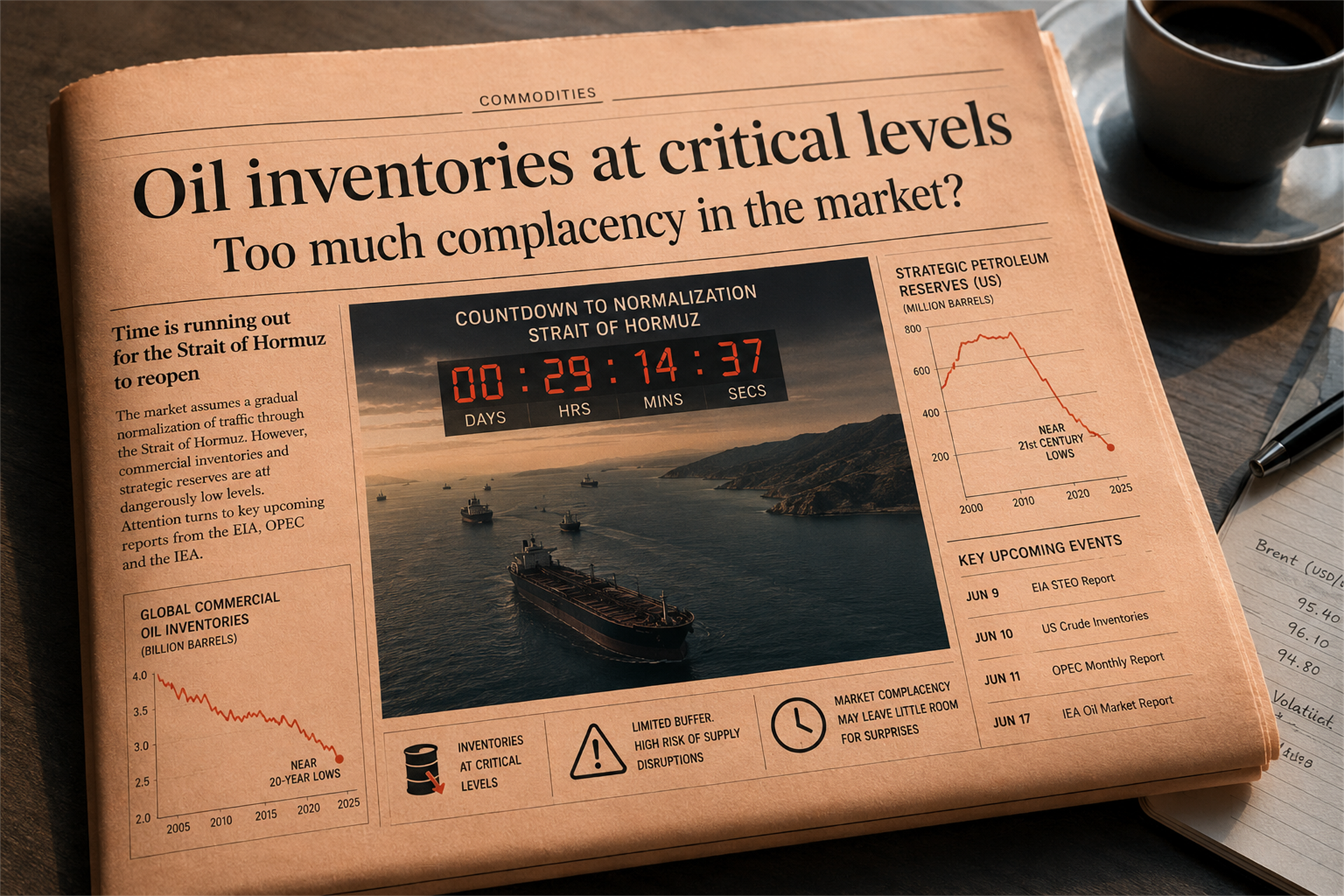
Brent prices and volatility measures suggest the market is betting on a gradual easing of Middle East tensions, but physical oil buffers remain thin. With commercial inventories near two-decade lows and US strategic reserves still depleted, upcoming EIA, OPEC and IEA updates could test whether that calm is justified.