US dollar rally tests whether Fed-hike bets have gone too far
The US dollar has extended its rally to a fresh one-year high as markets continue to price the risk of Federal Reserve rate hikes under Kevin Warsh. The move could still prove vulnerable if lower oil prices and US-Iran diplomacy cool inflation pressure enough to challenge the market's hawkish Fed narrative.

CMC Markets Poland
The dollar has pushed beyond the source's June 22 levels
The US dollar rallied sharply on 22 June, with the ICE US Dollar Index, or DXY, rising towards 100.80 as investors responded to a more hawkish Federal Reserve. That move continued into 23 June, with live market data showing DXY trading around 101.3 and touching a new 52-week high.
That keeps the source's central question intact: the dollar rally is powerful, but it may also be getting crowded. The move has been supported by a widening interest-rate gap between the US and other major economies, stronger momentum signals and a market that has moved quickly from expecting Fed cuts to pricing the possibility of further tightening.
Warsh's Fed has changed the rate narrative
Kevin Warsh's first Federal Reserve meeting has been the main catalyst. The Federal Open Market Committee kept the federal funds target range unchanged at 3.50%-3.75% on 17 June, but the statement and updated projections made clear that inflation remains the central risk and that at least some policymakers see a case for rate hikes later this year.
For currency markets, that matters because the dollar is highly sensitive to relative rate expectations. If investors believe the Fed may stay restrictive while other central banks face weaker growth or softer inflation, the US dollar can continue to attract support. That is why the source frames the rally as more than a simple technical breakout: it is a repricing of the Fed's reaction function under new leadership.
Lower oil prices are the main counterargument
The source also warns that the same macro story could reverse if inflation pressure eases. Progress in US-Iran diplomacy and the possibility of more Iranian oil reaching global markets have pushed energy prices lower, reducing part of the inflation risk that had helped justify a hawkish Fed path.
That is the tension at the heart of the dollar move. If cheaper oil feeds through to lower headline inflation in the coming months, markets may have to reassess how many hikes the Fed can realistically deliver. In that scenario, the dollar would lose one of its strongest supports, especially if traders have already crowded into long-dollar positions.
Equities are still behaving as if risks are manageable
The Polish source also points to an unusual cross-market signal: the dollar has rallied even as US equities, including the S&P 500 and Nasdaq-linked growth stocks, have remained resilient for much of the move. Normally, a stronger dollar and higher rate expectations can become a headwind for multinational earnings, liquidity-sensitive technology shares and broader risk appetite.
That calm may not be permanent. If the dollar continues to rise while Treasury yields stay elevated, investors may start to question whether equity valuations can keep absorbing tighter financial conditions. The source's point is not that a reversal must happen immediately, but that markets may be underestimating how quickly a stronger dollar can become a broader pressure point.
What could break the rally
The next test is likely to come from inflation data, oil prices and Fed communication. A further rise in DXY above its recent range would strengthen the technical breakout and could reinforce dollar momentum across EUR/USD and USD/JPY. But a softer inflation path, weaker US data or clearer evidence that lower energy prices are filtering through could make the rally look overextended.
For now, the dollar still has the support of rate differentials and hawkish Fed expectations. The risk is that the market has moved so quickly toward the rate-hike narrative that it may have left little room for a less inflationary second half of the year.
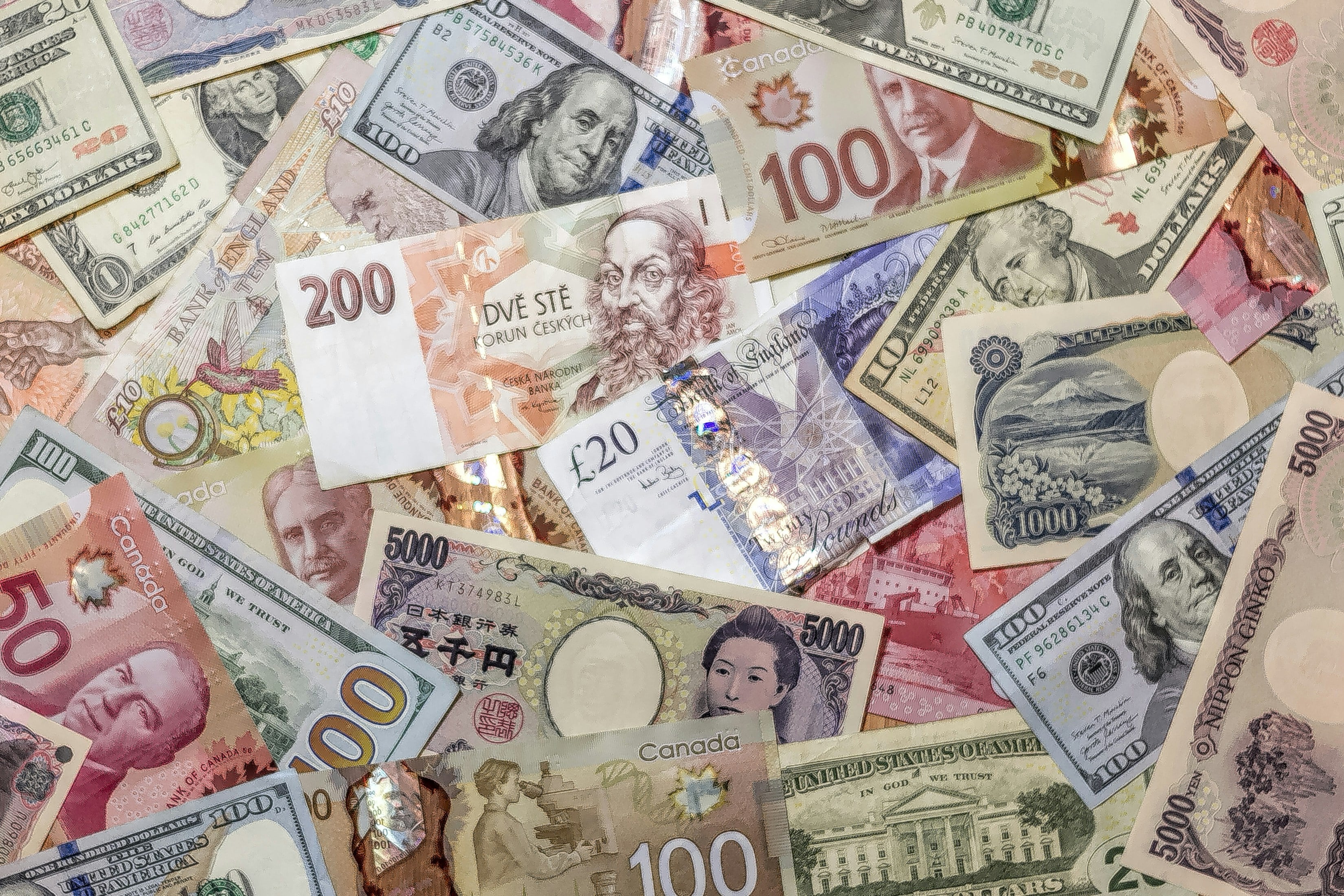
USD/JPY tests July 2024 high as rate expectations diverge
USD/JPY is approaching the July 2024 high near 161.75 as markets look past the latest Bank of Japan rate increase and continue to price wide US-Japan rate differentials. A break above that area could keep the dollar-yen uptrend intact, but the risk of renewed Japanese intervention remains the main counterweight.
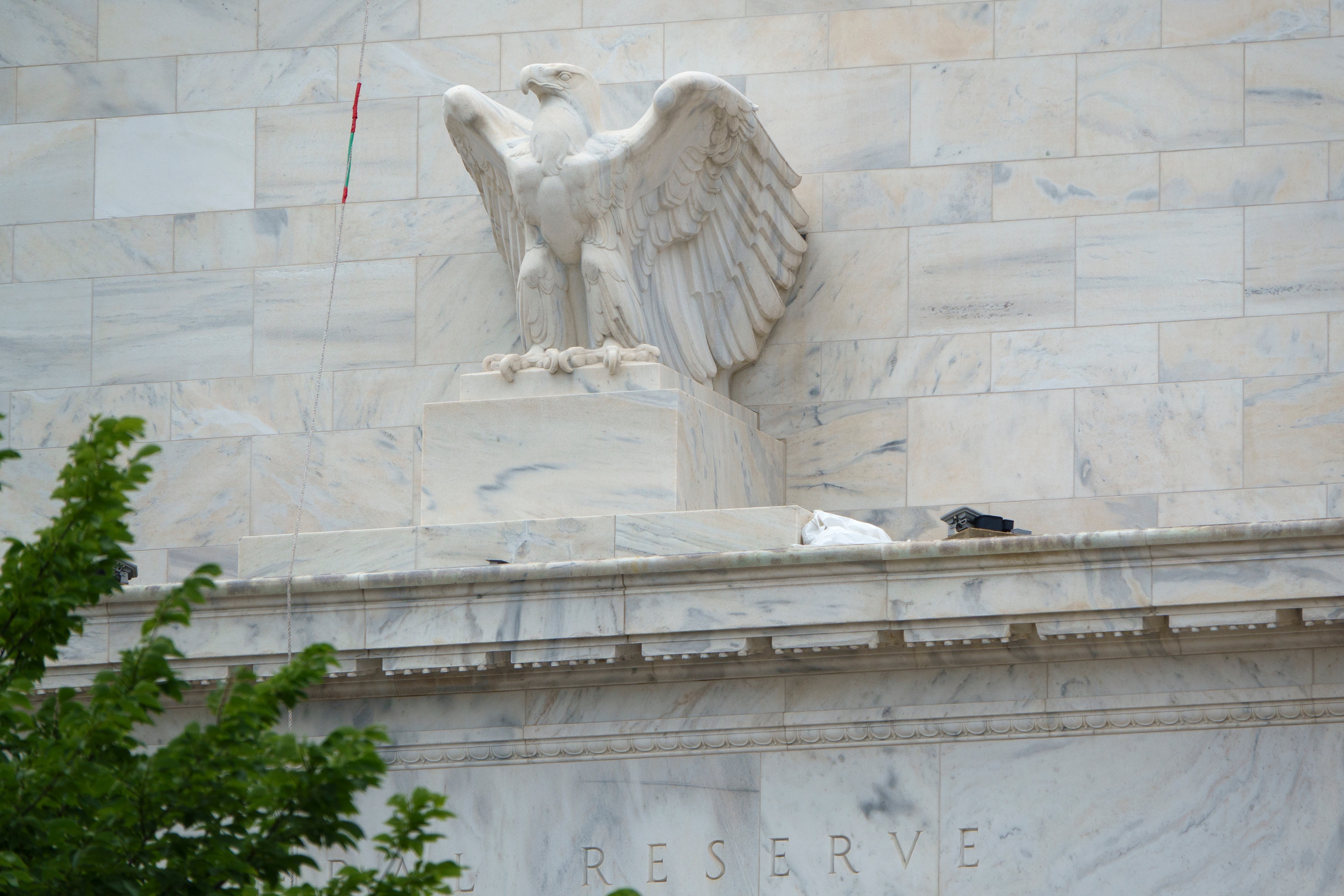
Warsh's Fed debut puts the dot plot and independence in focus
The Federal Reserve is expected to leave rates unchanged today, but Kevin Warsh's first Fed press conference and the new dot plot may matter more than the decision itself. Markets are watching whether he reinforces an independent, restrictive policy stance or opens the door to a softer message.
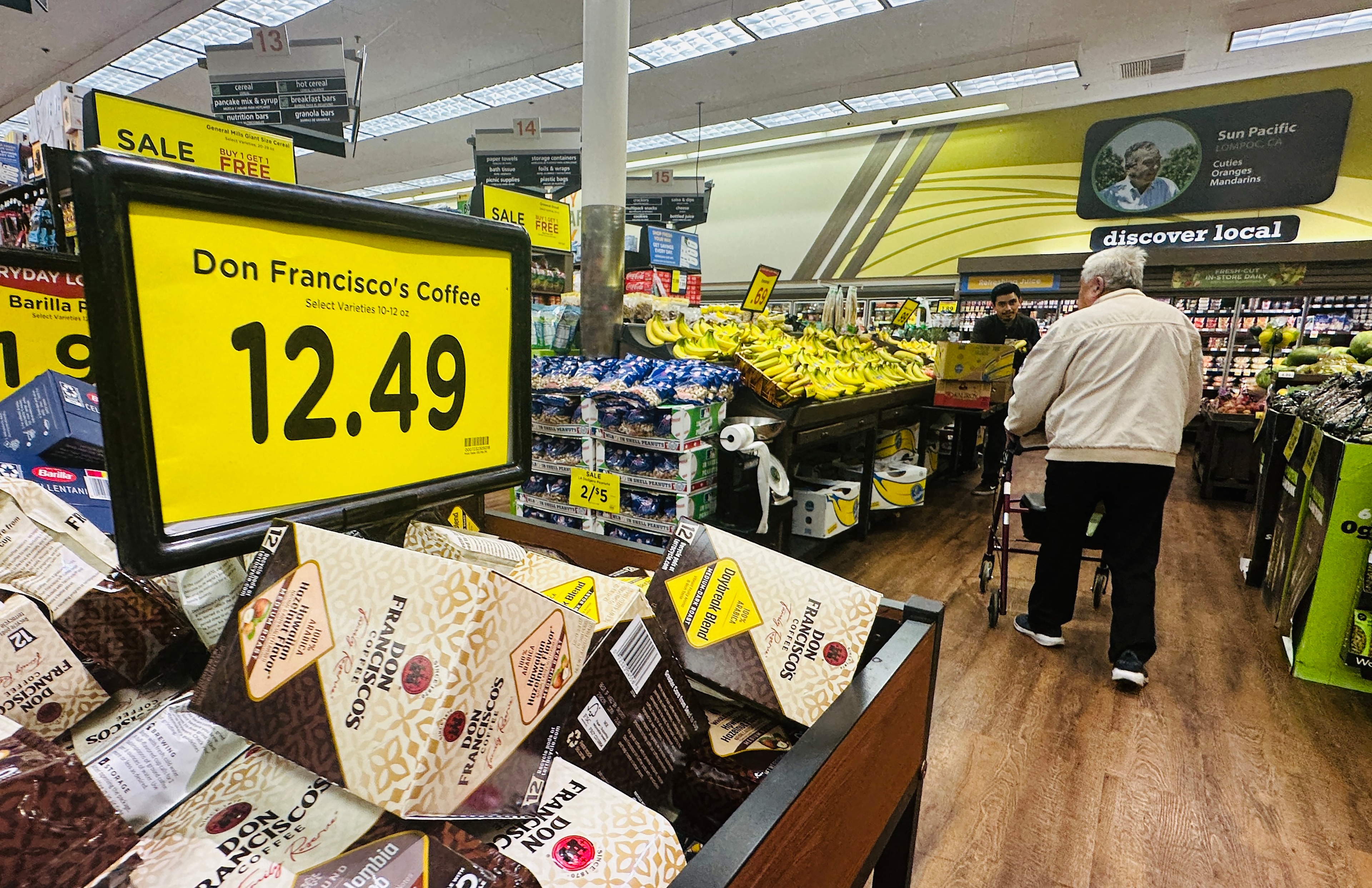
Could a 4% PCE print put Fed rate hikes back on the table?
US personal income and spending data could sharpen the inflation debate if PCE moves back towards 4%. Fed funds futures are already repricing the risk of rate hikes later in 2026, leaving bond yields, the US dollar, precious metals, crypto and equity indices exposed to a hotter-than-expected release.