DAX tests 25,000 as Middle East tensions and US data unsettle markets
The DAX is set for a nervous session around the 25,000 mark as renewed Middle East tension pushes oil prices higher and weak Salesforce results add to pressure on US equities. With US growth, labour-market, durable-goods, consumer-spending and core PCE data all due, the index may stay volatile inside a 25,000 to 25,350 trading range.

Chief Market Analyst
The DAX is back near a key psychological level
The DAX is heading into the session with investors more cautious again, after renewed military tension involving Iran pushed geopolitics back to the centre of the market narrative. The source article notes that the index is effectively testing the round 25,000 level, with US headlines and the direction of oil prices shaping the mood before the European open.
Oil is the clearest transmission channel. A renewed rise in crude prices adds pressure to energy-sensitive European stocks, while the latest moves in gold and silver suggest investors are rotating around risk and safe-haven trades rather than embracing a simple risk-on backdrop.
Salesforce adds to doubts about stretched US equities
US equity sentiment is also less settled after Salesforce missed profit expectations and its shares weakened after hours. The move matters because it lands at a point where investors are already questioning whether the US market has run too far too quickly.
For the DAX, that is important because Frankfurt is still taking many of its cues from Wall Street. The source points to 36 of the 40 DAX constituents trading in negative territory before the open, with only Munich Re, Adidas, Fresenius and Rheinmetall showing small gains.
US data could decide whether stagflation fears return
Today's US calendar is unusually heavy, with labour-market figures, GDP, durable-goods orders, consumer spending and the core PCE reading all due. That combination touches almost every major macro question currently facing investors: growth, demand, inflation and the path for Federal Reserve policy.
The key risk is that the data revive concerns about stagflation, particularly if growth signals soften while price pressures remain sticky. That would make it harder for the S&P 500 and other US indices to keep leaning on earnings resilience, and could leave European markets with fewer external supports.
The 25,000 to 25,350 range is the level to watch
From a technical perspective, the German source points to a possible DAX trading range between 25,000 and 25,350 points today. Holding the lower end would keep the index in consolidation rather than correction mode, but a break below the round level could sharpen the risk-off tone.
A move towards the top of the range would probably need calmer Middle East headlines, lower Brent crude and a benign US data mix. Until then, the market may remain vulnerable to quick swings as traders reassess how much optimism is still priced in.
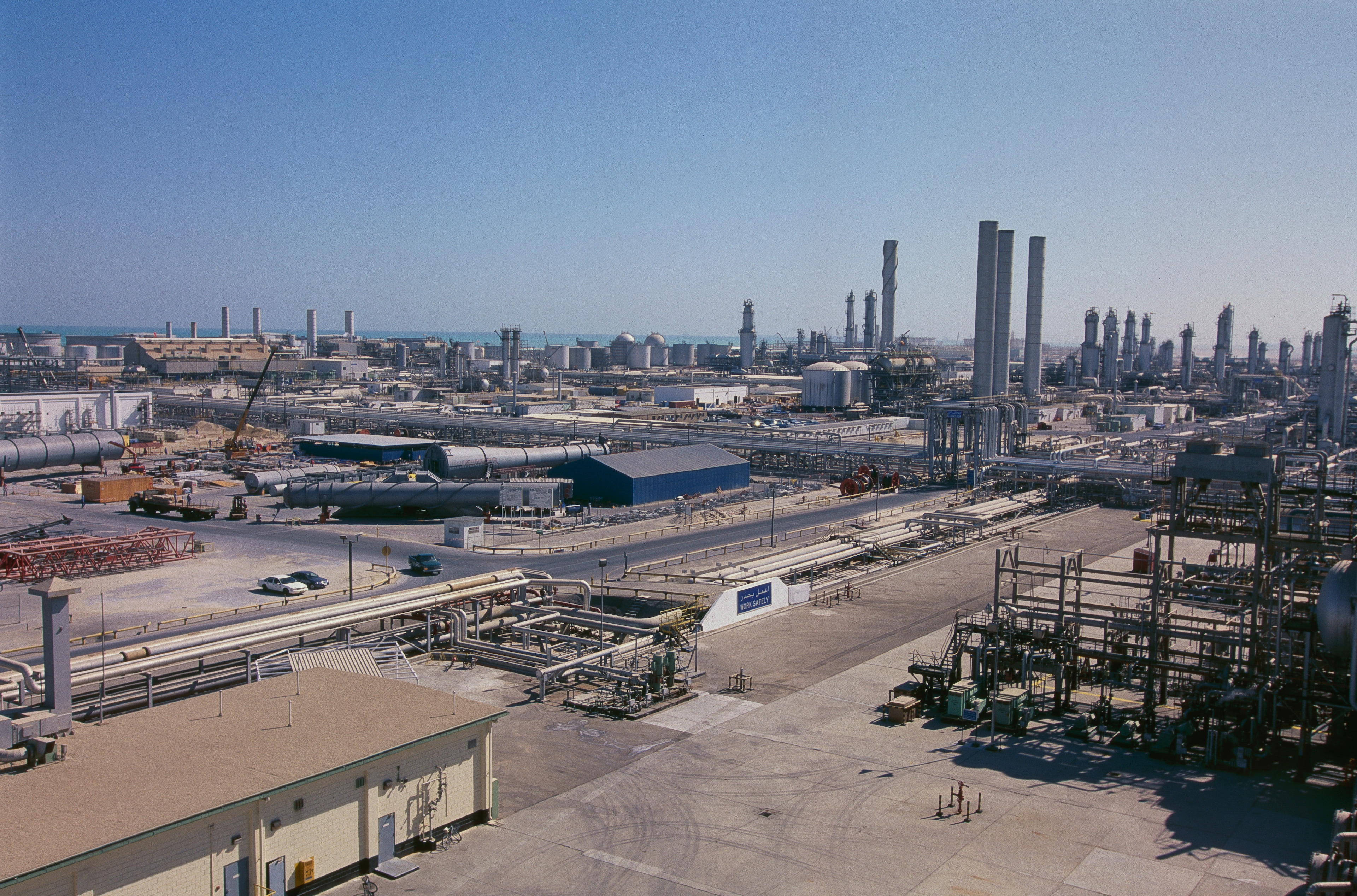
Middle East tensions keep oil, the DAX and Wall Street on edge
Escalating tensions around Iran and the Strait of Hormuz are keeping energy markets on alert and adding a fresh layer of inflation risk for global equities. Brent crude remains elevated, the DAX is feeling the pressure from Europe's energy sensitivity, while Wall Street continues to balance geopolitical risk against resilient demand for large-cap technology stocks.

DAX set for cautious open after Nvidia beats expectations
The DAX may open softer after its recent recovery, even as Nvidia's latest earnings and easing Middle East signals helped support Asian markets. With PMI releases, US labour data and building starts ahead, the German index could spend the session between 24,450 and 24,800 points.

Brent oil nears major support as peace hopes rise
Brent crude has fallen back towards a key $93-$96 support zone as hopes for easing tensions between the US and Iran improve the outlook for supply through the Strait of Hormuz. The market is now close to a major technical decision point, with support potentially setting up either a deeper reversal towards $72 or a renewed move back towards the $119 highs.