Could Tesla and SpaceX eventually become one company?
A combination of Tesla and SpaceX would bring electric vehicles, satellites, launch services, AI infrastructure and energy technology under one roof. The strategic overlap is real, but valuation, governance and regulation still make a full merger difficult to imagine.

Chief Market Analyst
The merger idea is becoming harder to ignore
Investors are increasingly willing to discuss a scenario that once would have looked unrealistic: a possible merger between Tesla and SpaceX. The timing matters. SpaceX has moved into the public-market spotlight, while Tesla is pushing further into artificial intelligence, robotics, autonomous mobility and energy infrastructure.
Both companies are shaped by Elon Musk and both are built around long time horizons rather than narrow product cycles. Tesla began as an electric-vehicle company but now sits across software, batteries, energy storage, autonomous driving and humanoid robotics. SpaceX, meanwhile, combines launch services, satellite communications and the Starlink network. Bringing those businesses together would create one of the broadest technology and infrastructure groups in the market.
The strategic overlap sits in AI, data and infrastructure
At first glance, Tesla and SpaceX still look very different. One sells vehicles and energy systems; the other builds rockets and satellite networks. The overlap becomes clearer when the focus shifts to the infrastructure underneath each business: high-performance computing, automated manufacturing, robotics, batteries, connectivity and data.
A closer operational link could be especially important around Starlink and Tesla vehicles. Better satellite connectivity could support over-the-air updates, vehicle communication and autonomous-driving use cases in areas where mobile networks are weaker. Shared AI infrastructure and data-centre investment could also help both companies if they continue to scale large models, robotics systems and real-time communications networks.
Valuation and governance are the biggest obstacles
The stronger argument against a merger is not that the businesses have no common ground. It is that the practical barriers are unusually high. Tesla and SpaceX have different shareholder bases, different capital needs and very different regulatory exposures. Combining space infrastructure, telecommunications, AI, mobility and energy in one company would almost certainly draw close scrutiny from regulators.
Valuation would be another major problem. A fair exchange ratio between two highly valued Musk-led companies would be difficult to negotiate, especially if existing shareholders worried about dilution or about taking on risks they did not originally sign up for. The management challenge would also be substantial. A combined company would stretch across cars, rockets, satellites, telecoms, software, AI, robotics and energy, which would make strategic focus harder to maintain.
Cooperation looks more realistic than a formal deal
For now, deeper cooperation may be the more realistic path. Tesla and SpaceX could still share selected technology, work together on connectivity, coordinate around data centres, or explore robotics and AI infrastructure without forcing shareholders into a full corporate merger.
That may be enough to keep the theme alive for investors. Tesla Inc, SpaceX and the US NDAQ 100 are all exposed to the same broad question: how much value markets are willing to place on platform companies that combine software, hardware and infrastructure. A formal merger would be historic, but the nearer-term story may be whether the companies become more operationally connected while remaining legally separate.
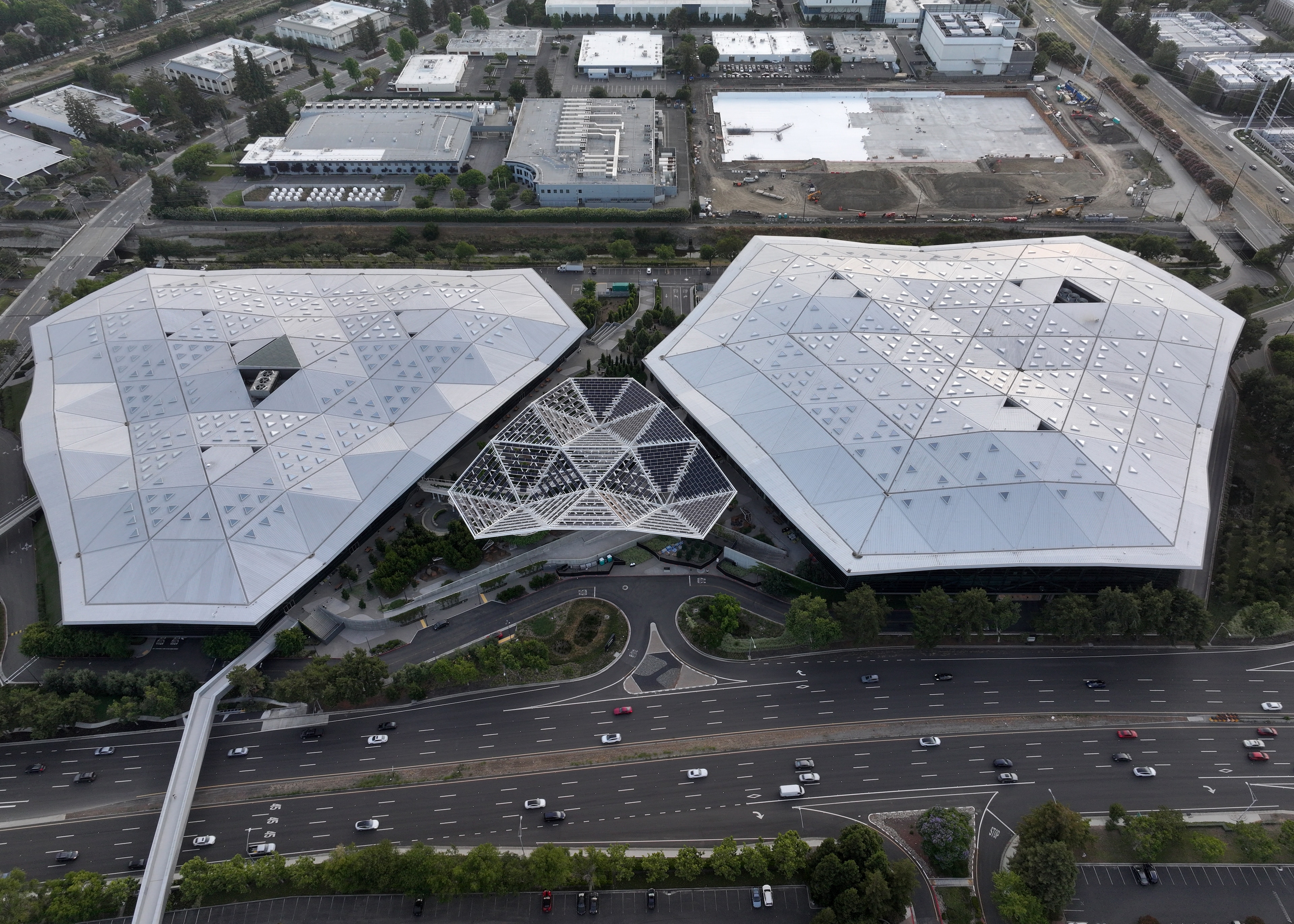
Marvell Technology may be the overlooked infrastructure winner of the AI boom
Marvell Technology may be getting less attention than Nvidia or Broadcom, but its role in networking, optical connectivity and custom ASICs leaves it well placed to benefit from the AI infrastructure buildout.
Broadcom could test how far AI euphoria can stretch
Broadcom reports with its shares near record highs, valuation multiples stretched and investors still demanding proof that the AI spending cycle is accelerating rather than peaking. Strong growth may not be enough on its own if the company cannot also convince markets that custom AI chips and hyperscaler demand can keep justifying extreme expectations.
Nvidia earnings could test Wall Street's AI rally
Nvidia reports after the US close on 20 May with the stock near record highs and carrying huge weight in the Nasdaq 100 and S&P 500. Expectations are demanding, options are pricing only a limited move, and that leaves an asymmetric risk if the chipmaker merely meets consensus rather than delivers another major upside surprise.