Loading...
Loading...
Nvidia-driven enthusiasm for AI and semiconductors is still supporting global equities, but the market is also contending with renewed stress around Iran and the Strait of Hormuz. That mix is keeping oil prices volatile, lifting geopolitical risk and testing how long the technology rally can outweigh broader macro uncertainty.

Chief Market Analyst
Global markets have recently been driven by two forces that do not naturally sit together. On one side, investors remain focused on the AI investment boom surrounding Nvidia, semiconductors and the broader technology supply chain. On the other, they are again having to price rising geopolitical tension in the Middle East, particularly around Iran and the Strait of Hormuz.
That combination has created a market backdrop in which enthusiasm for structural technology growth is colliding with the risk of higher energy prices and renewed macro stress. The result has been strong market activity, sector rotation and a more visible divide between growth-sensitive risk assets and traditional defensive exposures.
US equities initially continued to benefit from the technology rally, with Nvidia helping to reinforce the view that artificial intelligence could drive one of the largest investment cycles of the modern era. Semiconductor names, infrastructure suppliers and networking companies all remained central to the bullish narrative.
But the German source also points to a more cautious undertone emerging late in the week. Investors have started to question whether some AI-linked valuations have run too far too fast, leading to selective profit-taking and a broader rotation into industrial, travel and consumer stocks. Even so, the major US indices still managed to reach new highs, suggesting the AI theme remains the market's dominant growth engine.
At the same time, the geopolitical situation around Iran has become one of the most important variables for global commodity markets. The Strait of Hormuz remains a critical transport route for oil and gas exports, and any disruption there has the potential to ripple quickly through inflation expectations and global risk sentiment.
According to the German article, oil prices have been swinging sharply as investors react to shifting headlines around military tension, shipping restrictions and the possibility of a diplomatic breakthrough. Brent has at times moved back toward the $100 a barrel mark, underlining how sensitive energy markets remain to even small changes in the regional security outlook.
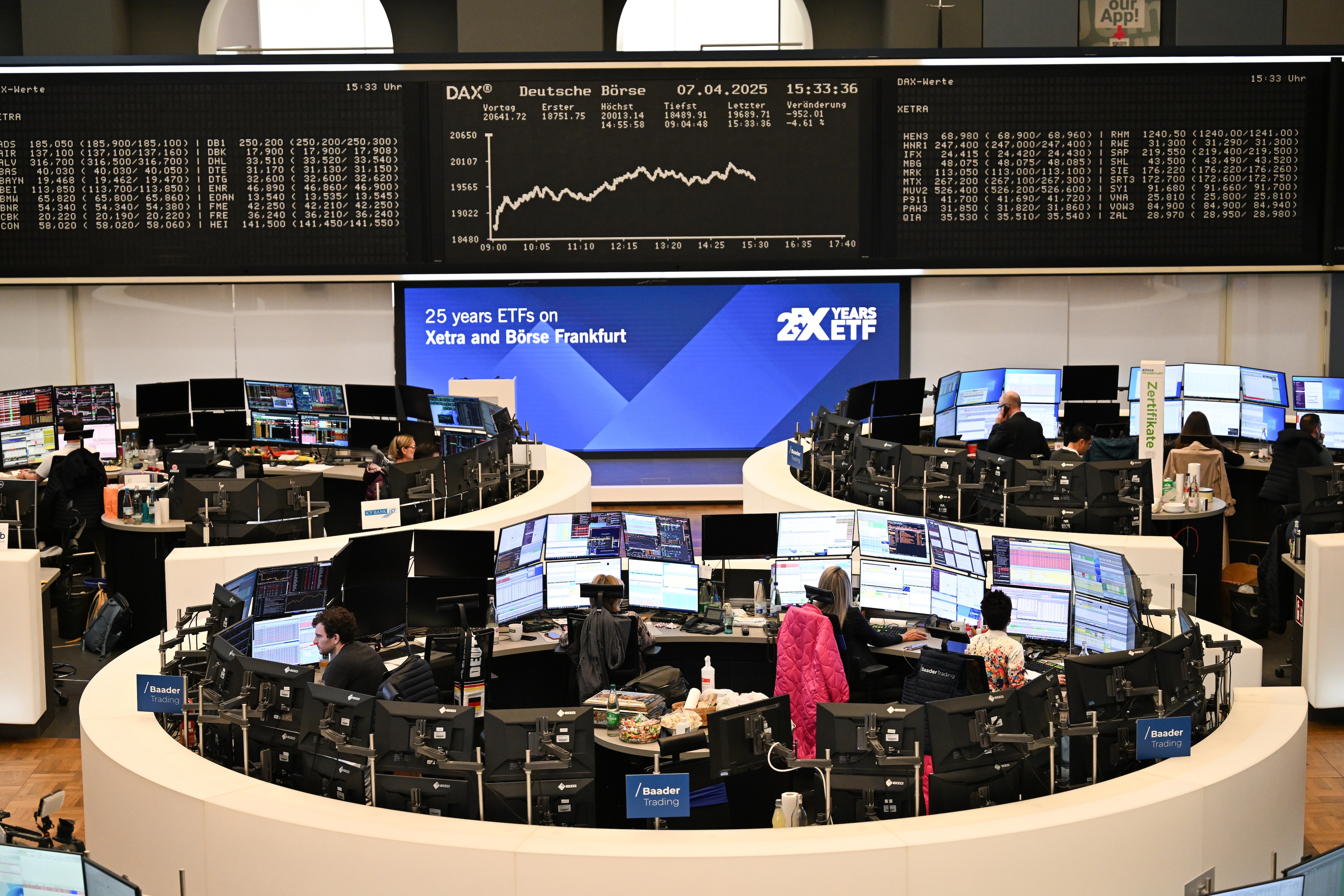
For European equities, the tension is particularly clear. The DAX has held up relatively well, supported by exporters, automation groups and companies linked to digital infrastructure and defence. But Europe is also more vulnerable than the US to an extended rise in oil and gas prices because of its greater dependence on imported energy.
That leaves markets in an awkward balance. AI and semiconductor enthusiasm is still pushing capital toward technology, while the Iran risk is simultaneously feeding oil volatility and inflation concerns. For now, investors are willing to live with both stories at once. But if energy markets remain stressed for longer, the current technology-led optimism may face a much harder test.
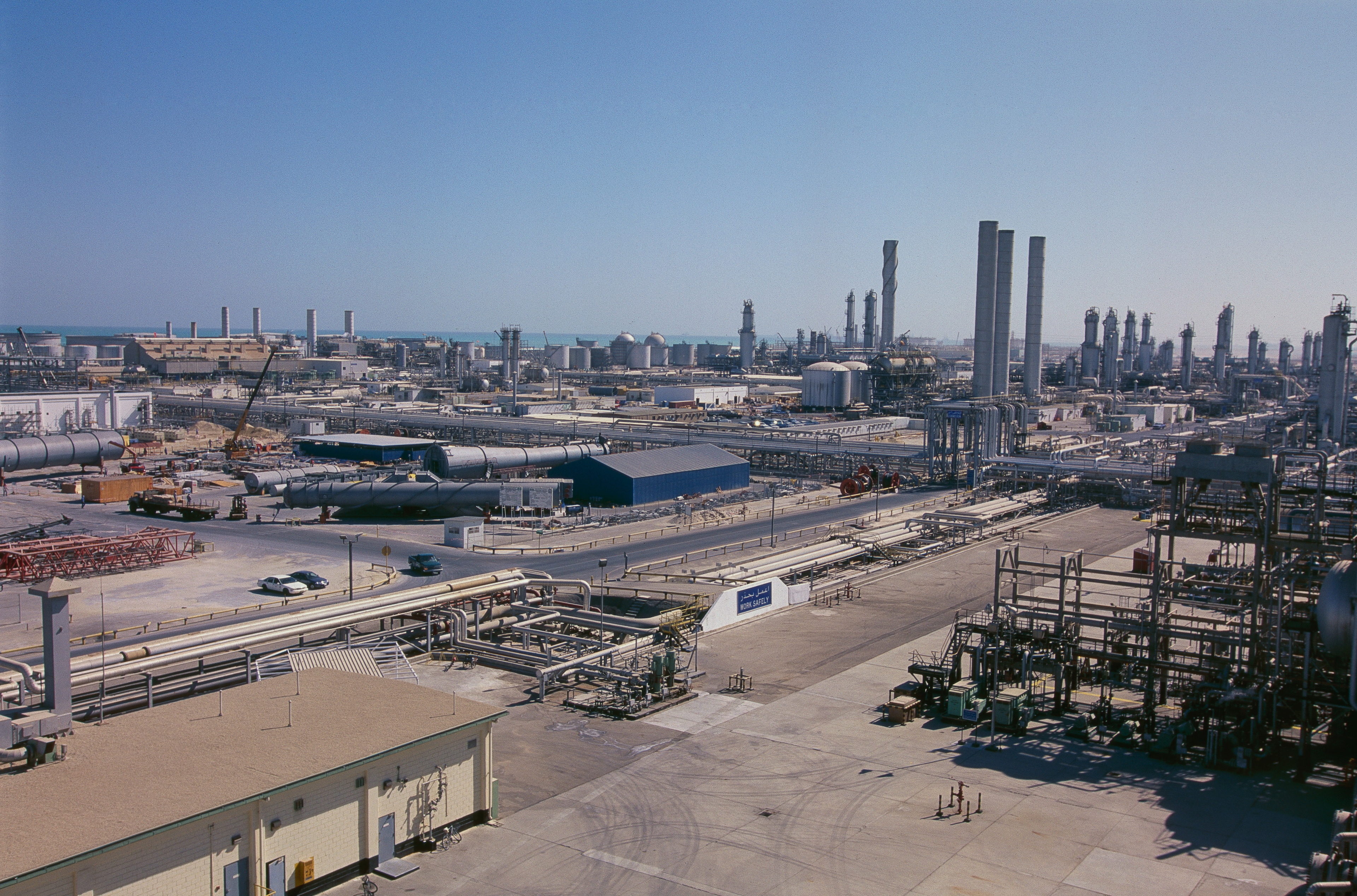
Escalating tensions around Iran and the Strait of Hormuz are keeping energy markets on alert and adding a fresh layer of inflation risk for global equities. Brent crude remains elevated, the DAX is feeling the pressure from Europe's energy sensitivity, while Wall Street continues to balance geopolitical risk against resilient demand for large-cap technology stocks.
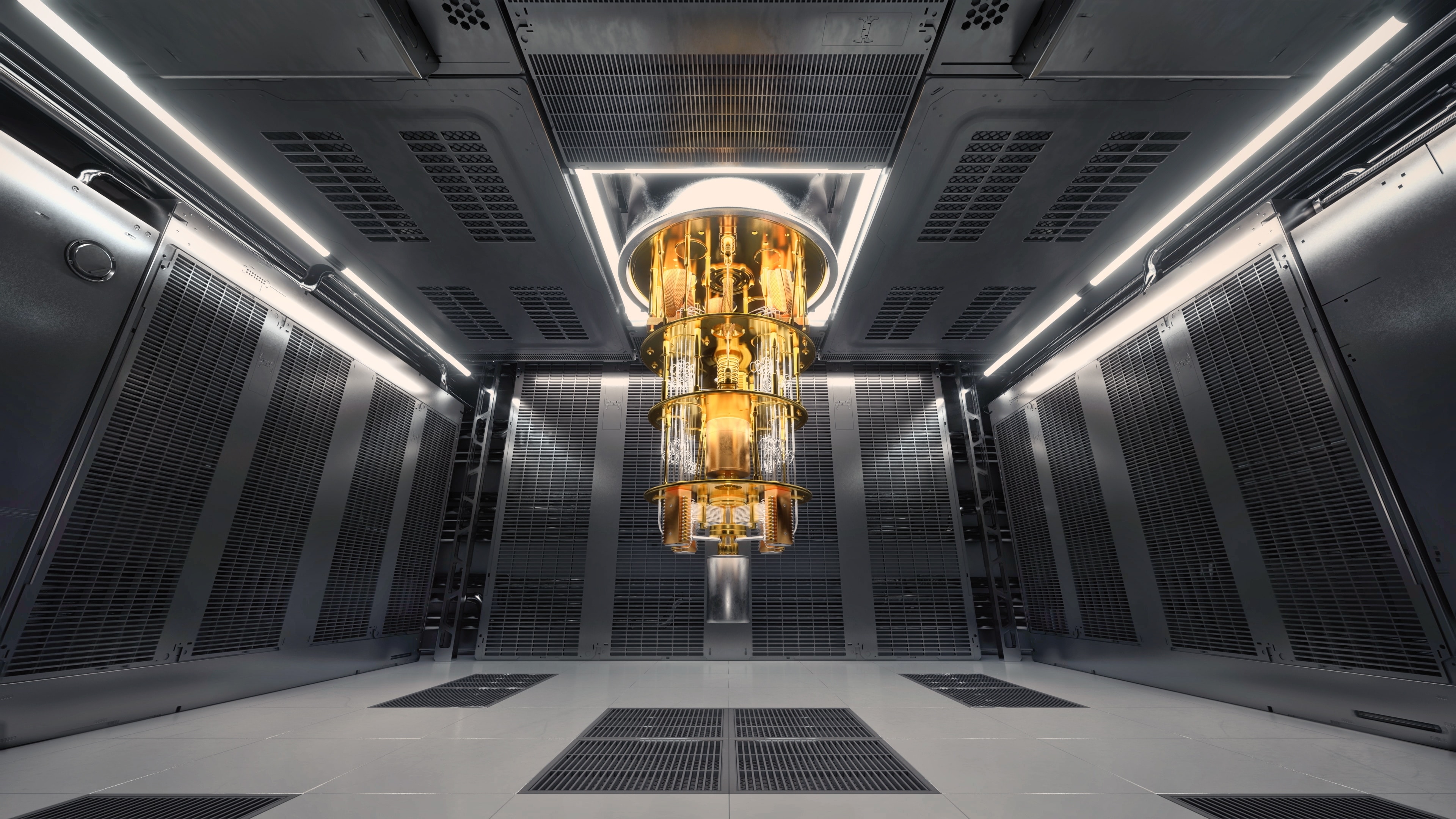
A $2bn US support package for quantum computing has triggered a sharp rally in the sector after the Trump administration took minority stakes in nine companies. With IBM the biggest beneficiary, investors are treating Washington's move as a signal that quantum technology has become strategically too important to leave to the private market alone.
Anthropic could post its first operating profit as soon as Q2 2026, a sign that generative AI may be moving beyond the pure cash-burn phase. Strong enterprise demand and lower compute costs suggest the economics of large language models may finally be starting to improve.