Loading...
Loading...
Anthropic could post its first operating profit as soon as Q2 2026, a sign that generative AI may be moving beyond the pure cash-burn phase. Strong enterprise demand and lower compute costs suggest the economics of large language models may finally be starting to improve.

CMC Markets Poland
The AI sector has spent the past two years building a reputation for spectacular growth but equally spectacular spending. Massive data-centre investment, high chip costs and heavy model-training bills have left many investors treating generative AI as a long-duration promise rather than a near-term profit story.
That narrative may now be starting to change. According to internal forecasts cited in the Polish source article, Anthropic could reach its first operating profit as soon as the second quarter of 2026. If that happens, it would mark one of the clearest signs yet that large language models can begin to scale into a viable business rather than remain a pure capital-consuming race.
One reason the company may be getting there faster is its focus on enterprise customers rather than mass consumer adoption. While OpenAI has had to support a huge number of free and lightly monetised ChatGPT users, Anthropic has leaned more heavily into paid business use cases such as coding assistance, data analysis and process automation.
That matters because monetisation quality can be more important than raw user numbers. The source argues that Anthropic's model is allowing it to generate stronger revenue per user while avoiding some of the infrastructure burden that comes with a much larger free consumer audience.
The revenue trajectory described in the source is striking in its own right. First-quarter revenue was said to be about $4.8bn, with the next quarter projected at roughly $10.9bn, implying a rapid acceleration in demand as enterprise adoption broadens.
Just as important, however, is the change in cost efficiency. The source says compute costs per dollar of revenue have fallen from 71 cents to 56 cents. That is a meaningful shift because it suggests scale is not only lifting sales, but also improving the economics of the underlying AI infrastructure.
The article also highlights that success in AI is no longer just about model quality. Access to chips, cloud infrastructure and data-centre capacity is becoming just as important as product design. Anthropic already works with Amazon and Google, while also exploring broader infrastructure options, underlining how central computing power has become to competitive positioning.
In practice, that means the next stage of the AI race may be decided not only by who has the most advanced model, but by who can scale it most efficiently. If Anthropic can combine strong enterprise demand with improving cost discipline, it may offer a template for how the broader sector eventually matures.
Nvidia reports after the US close on 20 May with the stock near record highs and carrying huge weight in the Nasdaq 100 and S&P 500. Expectations are demanding, options are pricing only a limited move, and that leaves an asymmetric risk if the chipmaker merely meets consensus rather than delivers another major upside surprise.
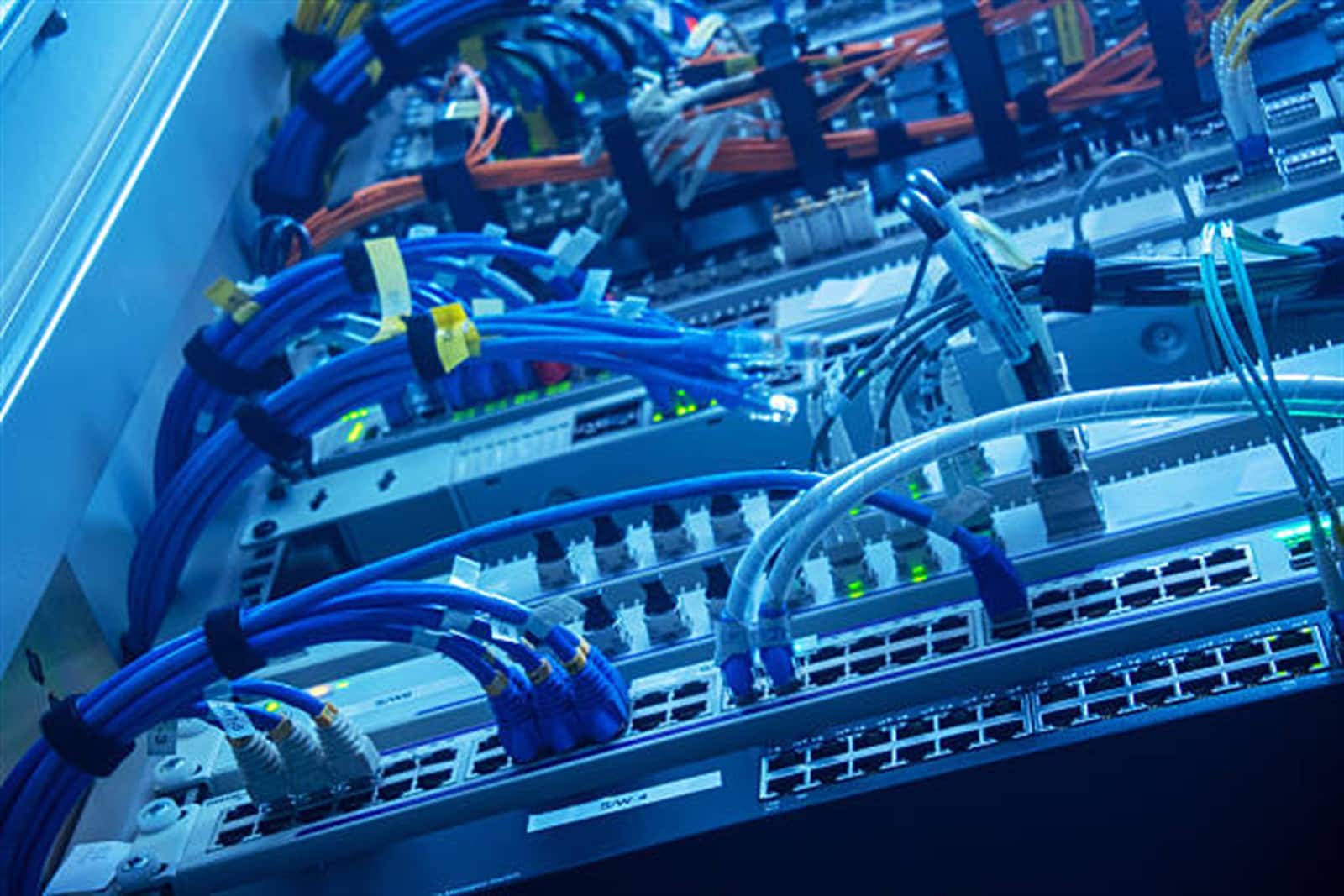
The next beneficiaries of the AI build-out may be less glamorous than the headline chipmakers. Fibre-optic suppliers, ceramics specialists and other infrastructure-heavy industrial groups are emerging as the modern equivalent of selling picks and shovels into a gold rush.