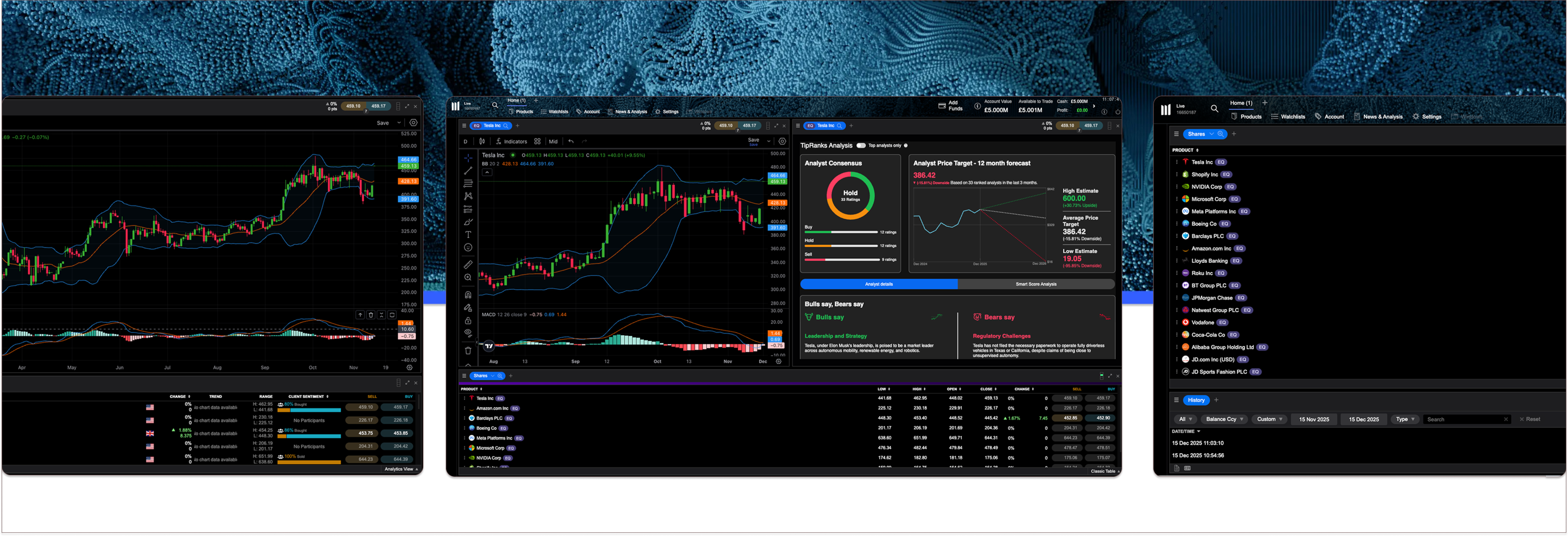
An investment portfolio is the complete collection of investments you hold, viewed as a single unit. It might include shares, bonds, funds and cash. What matters is not how many holdings you have, but how those pieces combine and whether the mix fits what you need from your money.
If you already have a pension, an ISA with a fund inside it and some cash set aside, you have a portfolio. You may not have called it that, but the moment you hold more than one investment, you are making portfolio decisions. Even one investment can be described as a portfolio, but the ‘portfolio’ idea becomes most useful once you have multiple holdings (or multiple asset types). This article explains what that means and how to read your own.
This article is for general information, and does not constitute financial advice.
Many people build up investments over time without ever looking at them together. A workplace pension here, a stocks and shares ISA there, some savings in a cash account. Each decision can make sense on its own, but it is easy not to review the full picture.
The cost of a scattered approach can be hard to spot. For example, you might hold several funds that all track the same market, increasing your exposure to one area without realising. Or you might find you have more in shares than you thought, just as you need the money for a specific goal.
Seeing your holdings as one portfolio changes the question. Instead of asking whether each investment is good, you ask whether the mix is right for your time horizon and how much fluctuation you can tolerate. That shift turns a collection of separate holdings into something you can read, weigh and adjust on purpose.
What is an investment portfolio? It is every investment you own, treated as a whole.
A portfolio can be large or small. It can sit in one account or spread across several providers. It can hold a single global fund or dozens of individual shares. The size does not define it. The key is that you look at the combined exposure, not at each line in isolation.
This is different from a savings pot, which usually means cash earning interest. Cash can sit inside a portfolio, but a portfolio usually involves at least some assets whose value can rise or fall with markets.
A single investment is one holding. A portfolio is the frame around all of them.
A portfolio is judged by how the parts combine, not by any single holding. One position might fall, but if other parts of the portfolio hold steady, the overall impact can be different from what that one holding suggests.
Portfolios are built from asset types, meaning broad categories of investments that tend to behave differently. Common asset types include:
Shares (also called equities): Ownership stakes in companies. They can rise significantly but can also fall sharply.
Bonds (also called fixed income): Loans to governments or companies. They often move differently from shares, but they can still rise or fall in value.
Funds: Pooled investments that hold many shares or bonds inside one vehicle. A single fund can provide broad exposure.
Cash: Money held in savings or similar accounts. It is stable in nominal terms, but inflation can reduce its purchasing power over time.
Diversification means spreading your exposure across investments that may behave differently, so you are not relying on one outcome. It can help manage risk, but it does not eliminate it. The graph below demonstrates that returns can differ significantly based portfolio composition.
The mix you choose reflects two personal factors. First, your time horizon: how many years until you need the money. Second, your risk appetite: how much short-term fluctuation you can tolerate without changing your plan. A longer horizon often allows more exposure to shares. A shorter horizon, or a lower tolerance for swings, often means more bonds and cash.
Here are two investment portfolio examples to show how the mix can change with time horizon. These are illustrations, not personal recommendations.
Imagine you have 10 years before you plan to use the money. You might hold a mix like this:
The shares provide growth potential. The bonds can help reduce the impact of share-market moves in some conditions. Bonds can also fall in value, particularly when interest rates rise; they don’t always offset equity falls. The cash is there for immediate access or planned spending.
Now imagine a second person with 25 years until retirement. They might hold:
With a longer runway, there may be more time to recover from market falls, so the mix tilts more towards shares. The weightings are not rules. They show how time horizon can influence the balance.
These are not model portfolios. If you’re unsure what’s suitable, consider consulting a regulated financial advisor.
If you want to understand your current portfolio, start by listing everything you hold across all accounts. This might include a pension, any ISAs, other investment accounts and any cash you treat as part of your long-term money.
Next, group each holding by asset type. Is it mainly shares, bonds, cash or a fund that contains a mix? If a fund holds both shares and bonds, you can use rough percentages based on what the fund invests in.
Then estimate the weighting of each asset type across your whole portfolio. You do not need perfect precision to learn something useful. Rounded figures are often enough to reveal whether your portfolio is mostly shares, mostly cash or something in between.
Finally, compare that mix with your time horizon and risk appetite. If you expect to need the money in a few years but most of it is exposed to shares, you may be taking on more short-term volatility than you intended. If you have decades ahead but most of your money is in cash, inflation may reduce what your money can buy over time.
This is a practical way to think about how to construct investment portfolio decisions: by understanding what you already hold, what it is exposed to and whether the mix still fits your needs.
Remember that the value of investments can fall as well as rise, and you may get back less than you invest. Diversification does not eliminate risk.
Treating each investment in isolation: It is common to judge a share or fund on its own performance without asking how it fits the whole. A holding that looks disappointing on its own may be playing a role in balancing the portfolio. A holding that looks strong may overlap with exposures you already have.
Assuming more holdings automatically means better diversification: Owning several funds can still mean concentrated risk if they invest in the same markets or sectors. Diversification is about different behaviour, not just different names. If holdings move in step, you may not have spread your exposure.
Setting a mix once and never revisiting it: A portfolio that suits you at one life stage may not suit you later. As your time horizon shortens, the balance you want may change. If you never review it, your mix can drift away from what you actually need.
A portfolio is the full set of investments you hold, read as one.
The mix of asset types matters more than the count of holdings.
Time horizon and risk appetite shape an appropriate balance for you.
Diversification is about different behaviour, not just different names.
You already have a portfolio the moment you hold more than one investment.