Warsh testimony and bank earnings put markets on alert
The first congressional testimony from Kevin Warsh as Fed chair and the start of US bank earnings season are set to dominate markets this week, with investors watching inflation, credit conditions, liquidity and equity-market resilience.

10-minute read
Warsh and bank earnings dominate the week
Financial markets begin the week with two major catalysts in focus: the first congressional testimony from Kevin Warsh as chair of the Federal Reserve and the opening stages of US bank earnings season.
For investors, the results and outlooks from the largest banks matter because they offer a direct view of the real economy. Stable employment suggests that the average US consumer remains in reasonable shape, but the source article notes that credit-card and auto-loan delinquencies more than 90 days overdue increased during the first half of the year.
That gives more cautious investors an argument that technology-led equity markets may be closer to exhaustion than headline index levels suggest, especially if company earnings start to reveal more pressure in the wider economy.
Fed communication enters a more ambiguous phase
Warsh is due to appear before the House Financial Services Committee on Tuesday and the Senate Banking Committee on Wednesday. These hearings are his first in the role, and markets will be listening closely for any sign of how he intends to steer the Federal Reserve.
Since taking over, Warsh has signalled a preference for less frequent and less explicit communication. That approach has unsettled some analysts and politicians, who want clearer answers on how the Fed plans to return inflation to its 2% target, particularly after the June projections shifted in a more hawkish direction.
Warsh may try to avoid firm commitments by pointing to the five task forces he has established, including one dedicated to inflation. For markets, that marks a shift back towards a form of constructive ambiguity. Less forward guidance gives the Fed more room to surprise, but it also means investors may have to live with a higher level of volatility.
Europe and Wall Street start cautiously
European equities started the week in mixed fashion as investors waited for corporate results from the new earnings season. The DAX slipped 0.2%, while the Stoxx 600 and FTSE MIB posted modest gains.
Wall Street ended the previous session with a moderate advantage for buyers. The Dow Jones rose 0.29%, the S&P 500 gained 0.42%, and the Nasdaq 100 finished 0.29% higher. Even so, uncertainty around global liquidity, US bond yields and the Fed's policy stance remains high.
Asia opens weaker as risk appetite cools
Asian equity markets began the week under pressure, following weakness in Wall Street futures. The source article pointed to declines across Japan, Australia, South Korea, Hong Kong, Shanghai, India and Singapore, reinforcing the sense that global risk appetite remains fragile.
For equity investors, the key issue is whether technology and AI-related enthusiasm can continue to offset concerns about liquidity, inflation and the possibility of tighter financial conditions later in the year.
Warsaw outperforms as the zloty softens
The Warsaw market continued to show resilience. The broad WIG index reached new highs and closed 1.98% higher, while blue-chip stocks gained 2.26%. WIG20 futures rose 2.01% to 3,748 points, with mid- and small-cap indices also finishing in positive territory.
The zloty, however, weakened for a fourth consecutive week, even though it remains in a broad sideways range from a technical perspective. The source article cited GBP/PLN at 5.08, EUR/PLN at 4.33, USD/PLN at 3.79, CHF/PLN at 4.69 and PLN/JPY at 42.63.
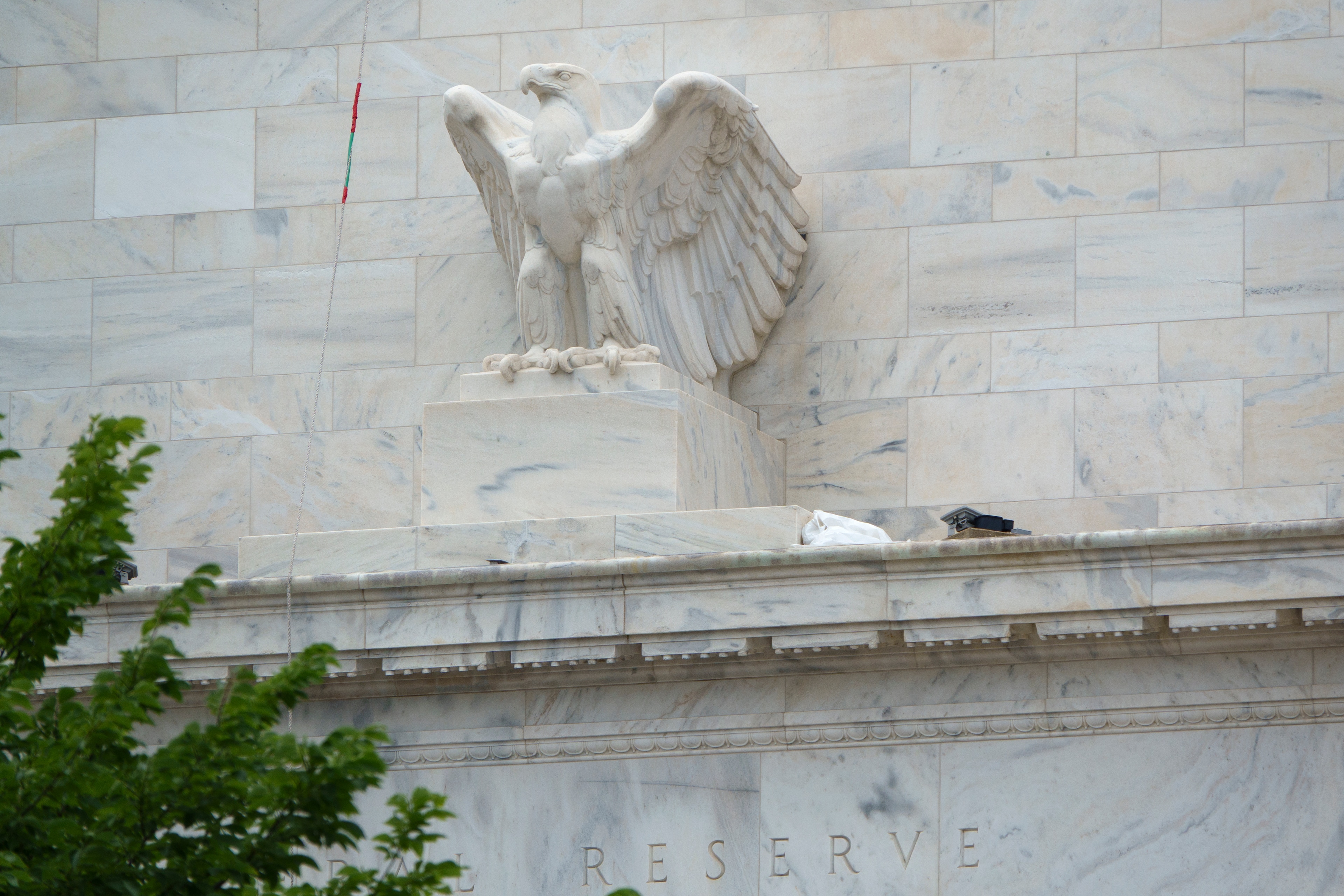
Warsh's Fed debut puts the dot plot and independence in focus
The Federal Reserve is expected to leave rates unchanged today, but Kevin Warsh's first Fed press conference and the new dot plot may matter more than the decision itself. Markets are watching whether he reinforces an independent, restrictive policy stance or opens the door to a softer message.
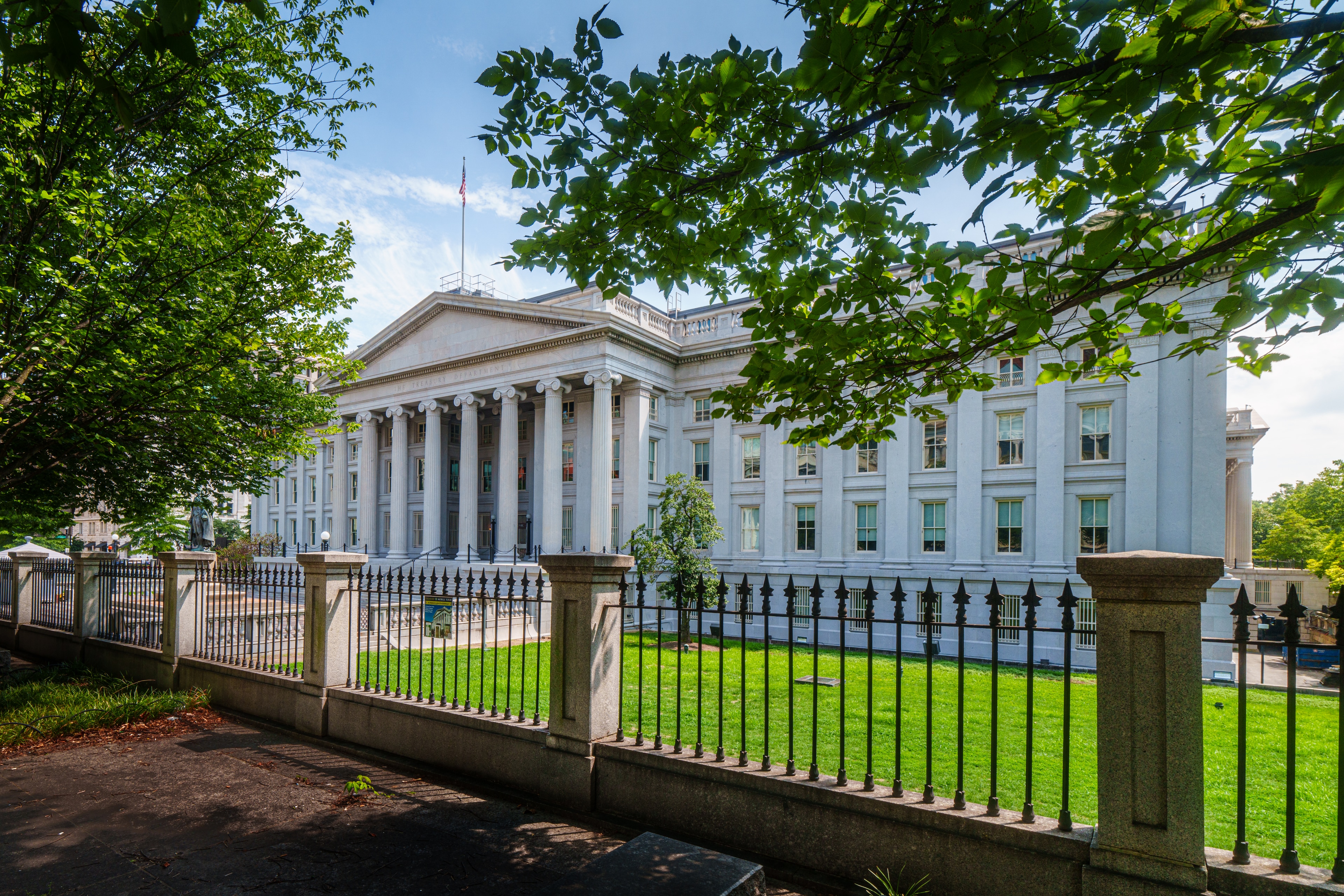
Could Kevin Warsh sharpen the debate over the Fed's balance sheet?
Markets may pay less attention to the politics around Kevin Warsh's nomination hearing than to what he says about the Fed's balance sheet. The key question is whether the current liquidity bridge is phased out gradually or becomes the starting point for a more hawkish shift in balance-sheet policy.
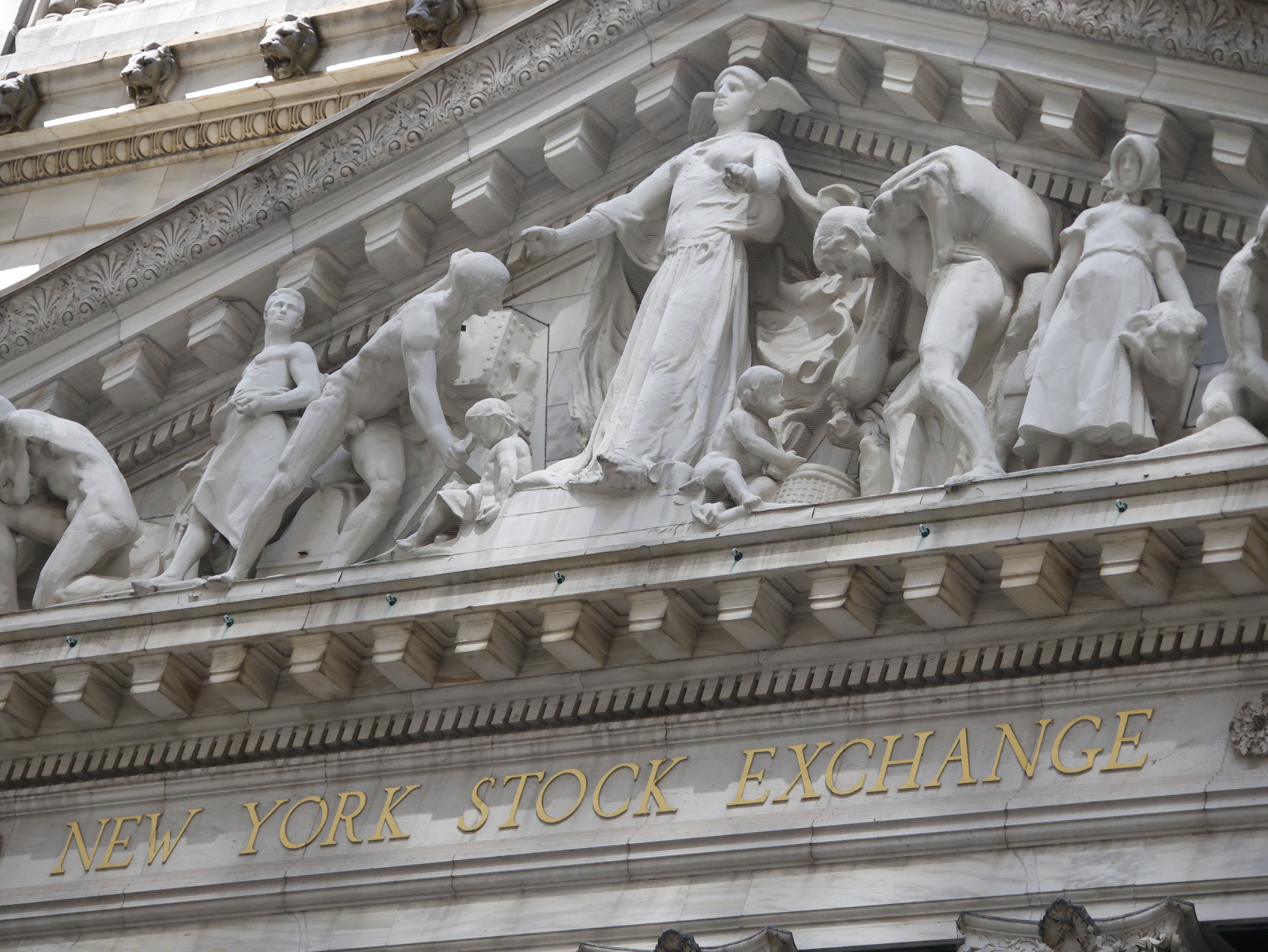
S&P 500 Q1 results season starts with optimism, rich valuations and asymmetric risk
The Q1 earnings season is starting with high expectations for the S&P 500, led by financials and closely watched semiconductor names such as ASML and TSMC. With valuations still demanding and macro momentum slowing, the risk to equities may be more skewed to disappointment than upside surprise.