Iran war among the biggest geopolitical shocks in 50 years
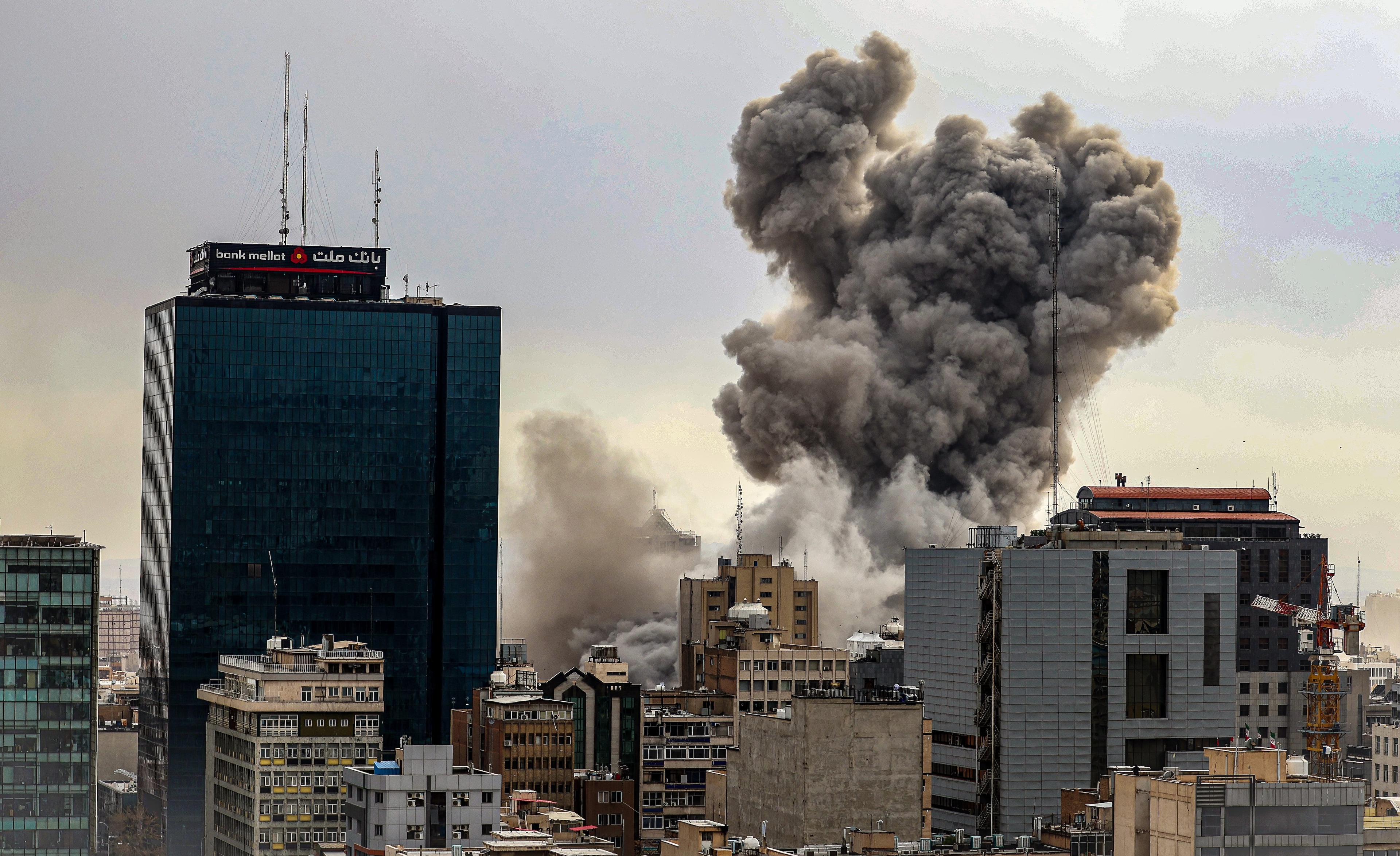
The conflict involving Iran has pushed the Geopolitical Risk Index (GPR) to levels only seen during the most severe geopolitical crises of the past half century. While equities have remained resilient so far, the duration of the conflict will likely determine whether markets can maintain that strength.

Market Analyst
Exceptional situation: one of the five biggest geopolitical shocks in 50 years
The Geopolitical Risk Index (GPR), developed by Dario Caldara and Matteo Iacoviello, has reached 350 points in weekly data. This represents a critical threshold that has only been exceeded on four other exceptional occasions over the last 50 years: the start of the war in Ukraine (2022), the 11 September attacks (2001) and the two Gulf Wars (1991 and 2003).
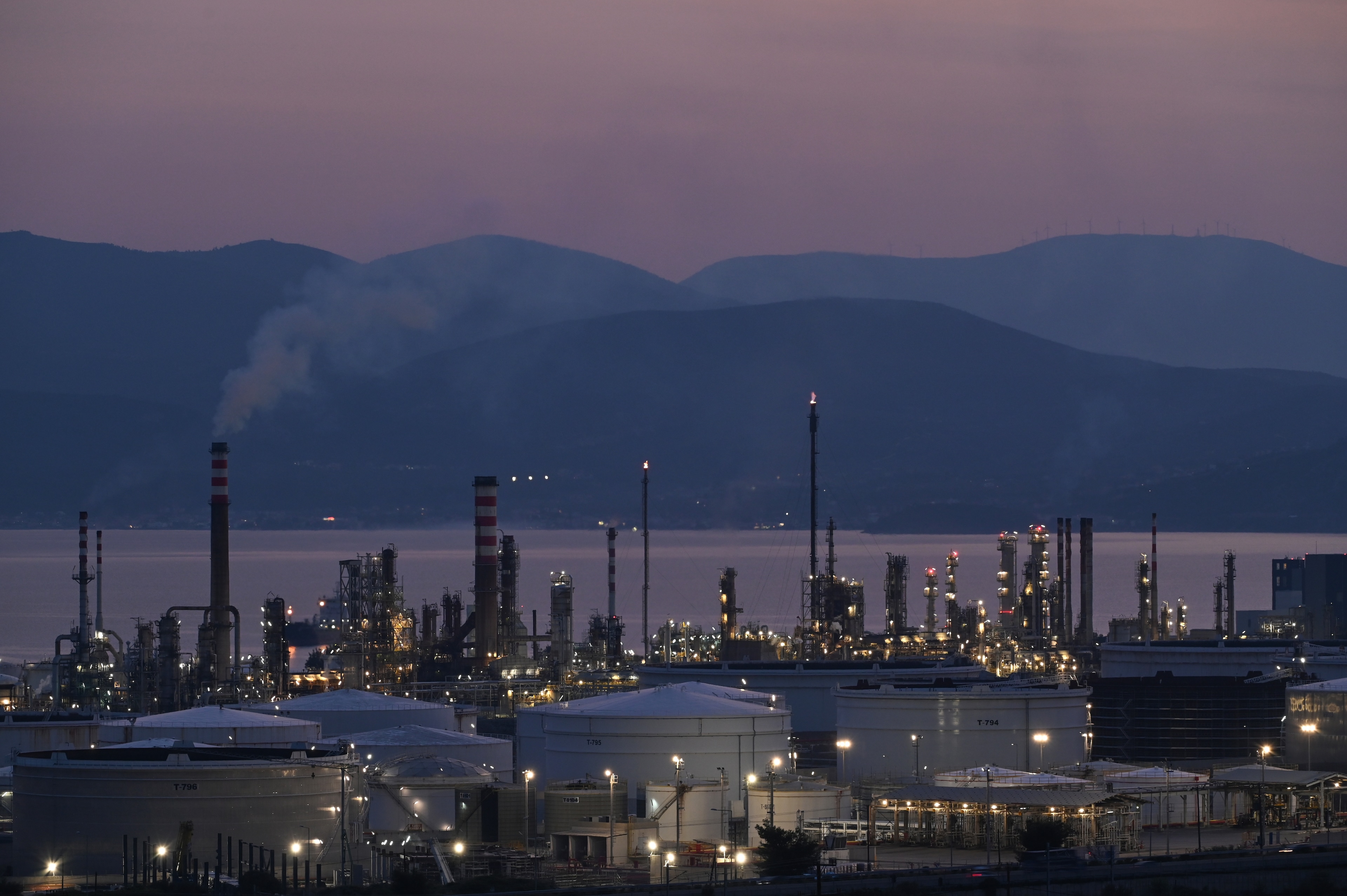
At the same time, the International Energy Agency (IEA) warns that the current conflict in the Middle East represents the largest disruption to crude oil prices in history. Given the severity of the situation, its members have unanimously approved a historic release of strategic reserves, while oil volatility has risen to levels not seen since the COVID-19 crisis.
No single pattern in equity market behaviour
Equity market reactions to geopolitical shocks have not followed a uniform pattern. Historically, outcomes have depended mainly on two variables: starting valuations and the duration of the conflict.
Gulf War (1991)
Operation Desert Storm consisted of 42 days of bombing followed by a rapid ground offensive. As the S&P 500 had already corrected beforehand and valuations were relatively modest, the recovery was swift and the underlying bullish trend resumed quickly.
11 September attacks (2001)
This was a completely unexpected event that triggered a violent initial shock and the temporary closure of markets. Despite strong intervention by the Federal Reserve (Fed) and an almost V-shaped initial rebound, the broader structural downtrend ultimately prevailed.
Iraq invasion (2003)
The main military phase took place between March and April. With the deployment of ground troops, markets rallied strongly and established a major market bottom. Supported by very attractive valuation multiples, equities interpreted the ground intervention as a signal that the conflict would end quickly.
Ukraine invasion (2022)
As the conflict turned into a prolonged war, it generated a persistent energy shock and supply crisis, which in turn drove a surge in inflation and interest rates. Equities, which initially showed little reaction, eventually entered a correction that lasted for much of the year.
S&P 500 resilience despite rising oil prices
Despite the surge in energy prices, the S&P 500 has shown notable strength, remaining above its long-term averages (52 weeks and 200 sessions). This resilience is unusual compared with the energy shocks triggered by the Gulf Wars or the invasion of Ukraine.
This behaviour may partly be explained by the lower energy dependence of the United States (US), which is currently a net exporter, and by the decisive intervention of the International Energy Agency (IEA) through the use of strategic reserves.
The Energy Information Administration (EIA) has helped slow the escalation and buy time. The 400m barrels released would cover around 50 days of the estimated 8m barrel per day deficit caused by the closure of the Strait of Hormuz.
The EIA expects a short conflict
In sensitivity analyses assessing the impact of oil on growth and inflation, the duration of the shock – time – is the key variable. At present, the central scenarios of energy agencies assume a short-lived conflict lasting weeks or months.
In its latest Short Term Energy Outlook (STEO), the Energy Information Administration (EIA) assumes that the peak of market stress will be reached in early April, followed by a gradual recovery in flows once the Strait of Hormuz reopens.
Under this assumption, its models project an average Brent price of $91 in the second quarter of 2026, declining to $70 by the fourth quarter of 2026.
Polymarket and futures suggest a longer conflict
However, the Brent futures curve on the Chicago Mercantile Exchange (CME) reflects a more tense outlook, with prices more than $10 higher than the Energy Information Administration (EIA) forecasts: $100 for the second quarter of 2026, above $90 in the third quarter, and above $83 in the fourth quarter.
These prices suggest the possibility of a longer-lasting conflict.
The Ayatollah regime is seeking its own survival and believes time works in its favour. Its strategy appears aimed at prolonging the conflict and keeping energy prices elevated to erode Western economies and increase pressure on their political leaders.
Data from Polymarket also suggests the conflict may be becoming entrenched. The probability that the regime will fall before 30 June has dropped from 49% to 29% so far this month.
The Week Ahead: Micron earnings; Fed, BoE rate decisions; UK labour market data
Welcome to Michael Kramer’s pick of the key market events to look out for in the week beginning Monday 16 March.
G7 weighs historic strategic oil reserve release
The G7 is considering an unprecedented release of strategic oil reserves as the risk of a prolonged Strait of Hormuz blockade intensifies. Markets are watching closely as volatility surges and key energy reports this week could shape expectations for prices and supply.