ECB raises rates as inflation returns and stagflation risk builds
The ECB has raised its deposit rate by 25 basis points after the Middle East energy shock pushed inflation risk back to the top of the agenda. Markets had largely priced the move, but the bigger issue now is whether higher oil prices, weaker growth and Europe's energy exposure pull the eurozone deeper into stagflation territory.

CMC Markets Poland
The ECB moves first as the energy shock revives inflation
The European Central Bank has become the first major central bank to tighten policy again after inflation pressure returned more sharply than expected. The Polish source argues that the trigger was not domestic overheating, but the renewed surge in energy costs after the conflict involving Iran disrupted confidence in oil supply through the Strait of Hormuz.
The ECB raised its deposit rate by 25 basis points, ending the easier policy phase that had been in place since 2023. Markets had already priced that outcome, but the message still matters because it signals that the ECB no longer feels able to look through inflation risks driven by geopolitics and imported energy.
Europe looks more exposed than the US
The eurozone is structurally more vulnerable than the US to a Middle East energy shock because it remains more dependent on imported oil and gas. That makes the policy trade-off more uncomfortable for Frankfurt: higher rates may help defend inflation credibility, but they can also land at a time when growth is already soft and households are still sensitive to higher energy bills.
The source makes a broader stagflation point here. If inflation is being pushed higher mainly by energy and supply disruption rather than strong domestic demand, tighter policy may not solve the underlying problem quickly. Instead, it can leave the eurozone facing slower growth, tighter credit conditions and weaker confidence at the same time as price pressure stays elevated.
Markets have stayed calm, but that may not last
The initial market response has been more contained than the macro backdrop might suggest. Because the ECB move was already widely expected, equities have not reacted as if this were a genuine policy shock, and dip-buying behaviour has not disappeared.
That calm may prove fragile. The source notes that investors are still acting as though inflation and weaker growth can be absorbed without much broader damage, but that assumption could be tested if oil prices remain high and bond yields start to reprice a longer period of restrictive policy. The immediate question is no longer whether the ECB could raise rates once, but whether the market starts to treat this as the beginning of a more difficult stagflation phase for Europe.
EUR/USD sits at the centre of the repricing risk
For FX traders, EUR/USD may become the clearest expression of this policy tension. A firmer ECB stance can support the euro in the short term, but only if investors think the rate rise reflects policy credibility rather than economic stress. If tighter policy is seen as a response to imported inflation while growth keeps slowing, any support for the euro may prove temporary.
The source also points to pressure on Brent crude and gold as part of the same market adjustment. Higher oil prices help keep inflation elevated, while gold can stay sensitive to changes in real-yield expectations as central banks turn more cautious. The source chart shows EUR/USD trading around important technical zones, which may make the pair especially reactive if rate expectations change again.
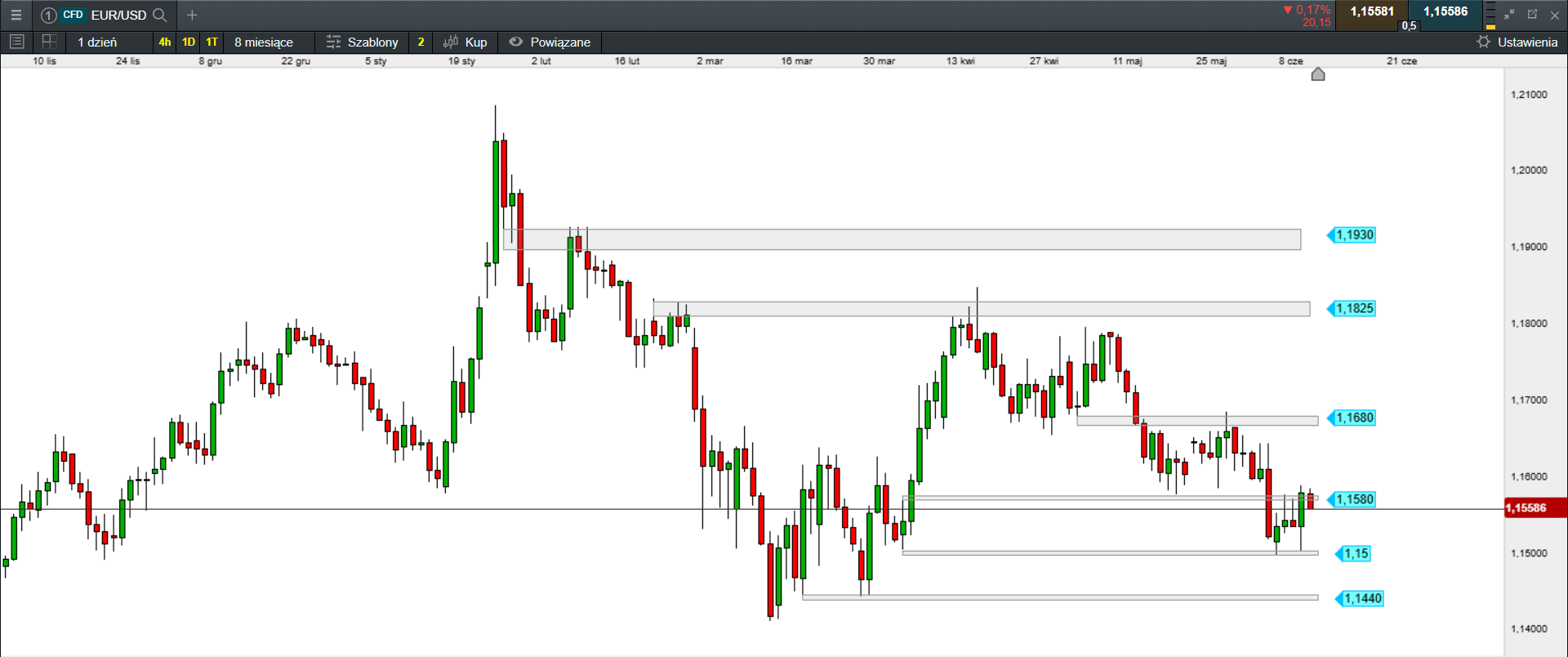
Source: CMC Markets, as at 12 June 2026. The source chart retains minor Polish platform labels.
What traders may need to watch next
The next stage of the story is likely to come from energy markets, eurozone bond yields and how quickly growth sentiment deteriorates. If Brent crude remains elevated and yields start moving higher again, markets may begin to treat the ECB move less as a routine adjustment and more as a sign that policymakers are being forced to tighten into a weakening economy.
That would matter well beyond FX. European equities, household borrowing costs and broader risk appetite could all come under pressure if stagflation fears deepen. For now, the ECB has acted against the inflation shock, but the real market test is whether tighter policy helps stabilise expectations or simply exposes how difficult the eurozone backdrop has become.
Lagarde's ECB guidance may matter more than the rate rise
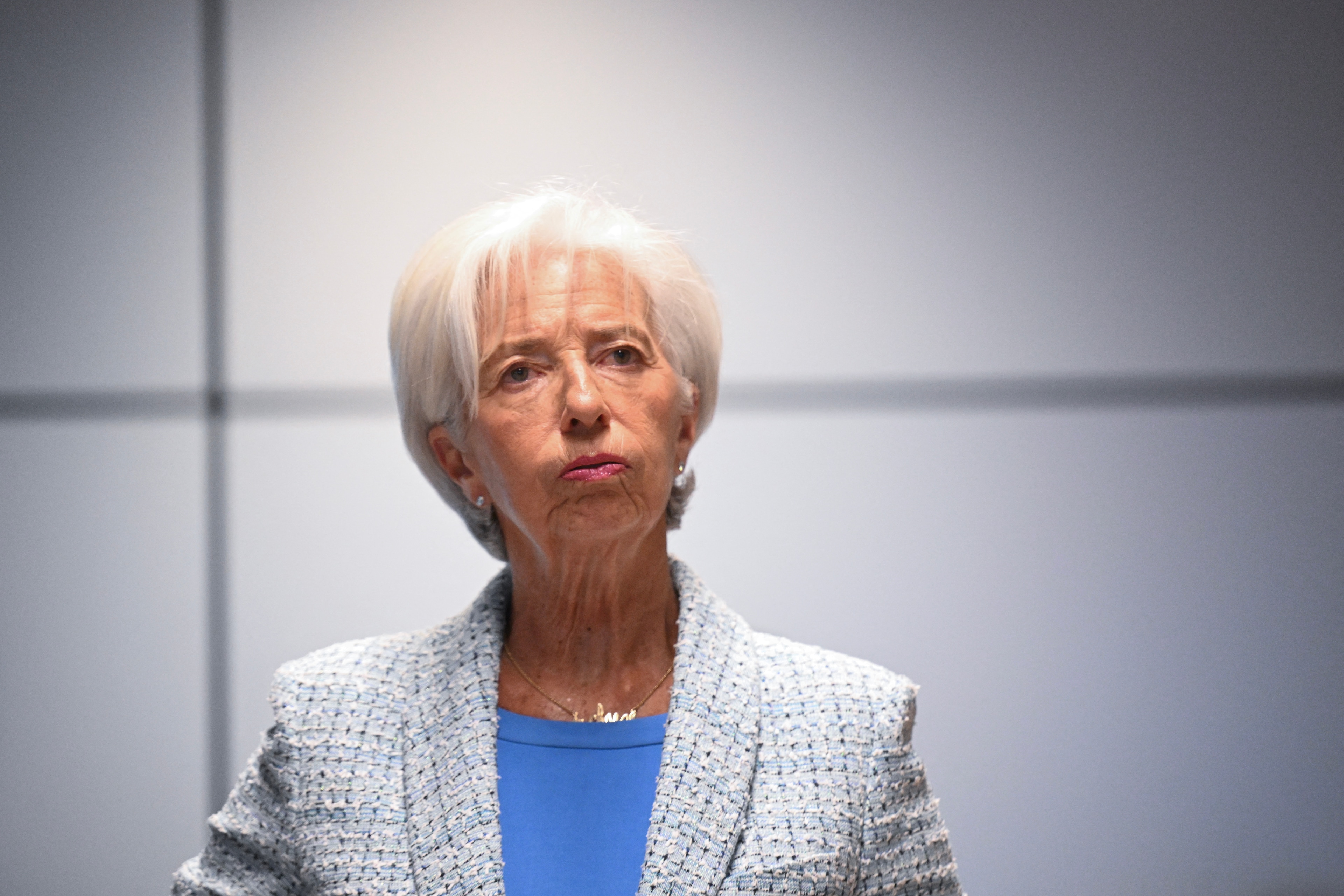
The ECB rate rise was widely expected, leaving markets focused on Christine Lagarde's tone and what it means for further tightening. The risk is that sticky inflation and higher energy prices are arriving as eurozone growth loses momentum, keeping EUR/USD, bonds and European equities sensitive to policy guidance.

EUR/USD may weaken further as key support breaks
EUR/USD has slipped below support around 1.166, increasing the risk that a double-top pattern is now taking shape. If the break holds, the pair could come under further pressure in the days ahead, although a quick recovery back above the neckline would still leave room for a false-break rebound.