Starlink IPO
Everything you need to know about Starlink
Elon Musk’s satellite and telecommunications business Starlink is attracting interest as a prospective IPO candidate. Although the company hasn’t formally announced plans for an initial public offering, it’s possible that a listing could take place in the next couple of years. Find out everything you need to know about the SpaceX subsidiary, its potential IPO and how you can get involved.
What is Starlink?
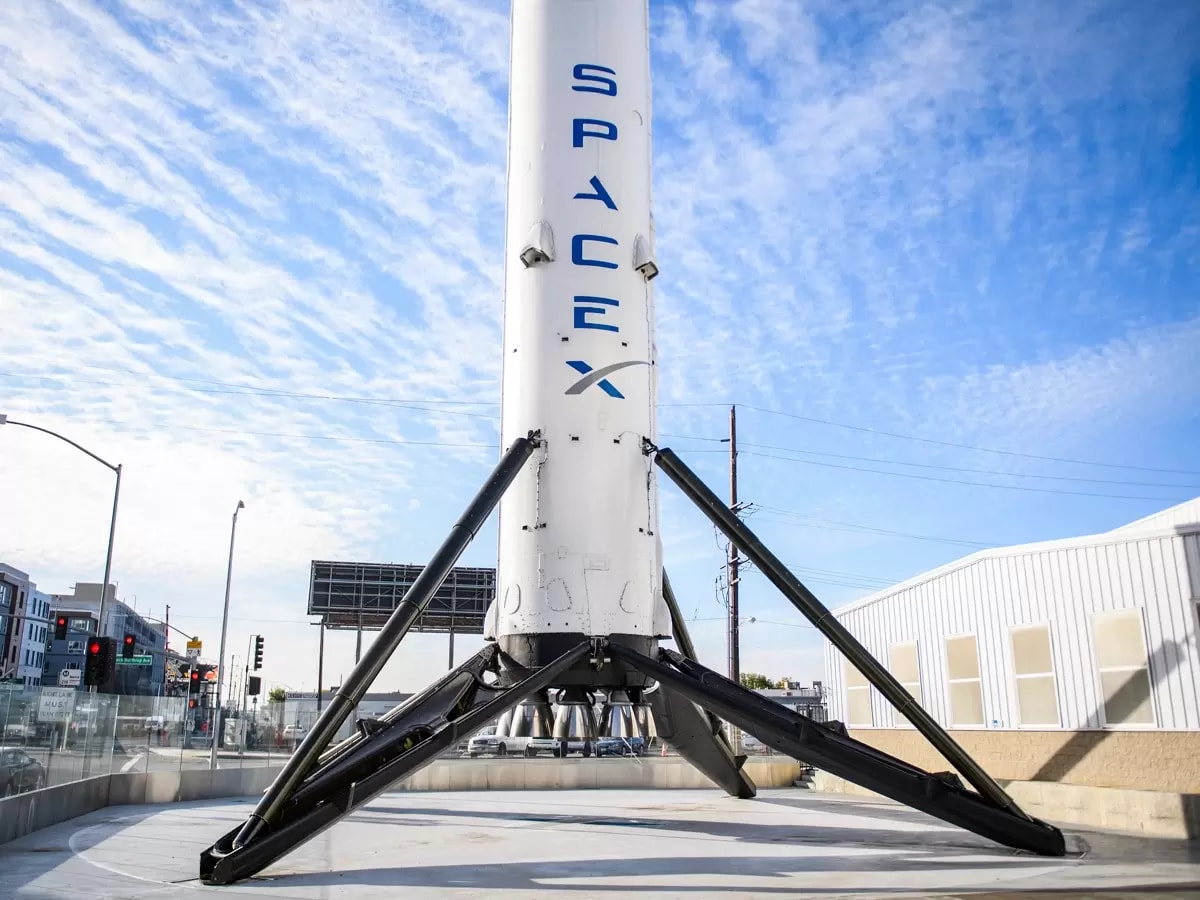
Starlink is a satellite constellation that provides internet access. Wholly owned by Elon Musk’s aerospace and rocket company SpaceX, Starlink operates a network of more than 7,000 satellites that it claims could deliver high-speed broadband anywhere on the planet. Starlink has secured regulatory approval to provide in-motion aviation services in over 100 countries.
When is Starlink’s IPO date?
Starlink hasn’t set an official IPO date. In June 2021 SpaceX and Tesla CEO Elon Musk said Starlink will only have an IPO “when its cash flow is more predictable”, according to a report by CNBC.
What is Starlink’s valuation?
There is a lot of speculation around Starlink’s valuation, and most analysts agree that Starlink makes up the majority of its parent company SpaceX’s value. In a December 2024 deal that saw investors buy shares from SpaceX employees, SpaceX was valued at $350bn, making it the world’s most valuable startup. On that basis, Starlink could be worth in excess of $175bn.
How to trade on Starlink’s IPO
What are Starlink’s financials?
Back in 2018, SpaceX estimated that the cost of designing, building, and deploying Starlink would be at least $10bn. Starlink first turned a profit, albeit a small one, in 2023, according to Musk. That same year, Bloomberg reported that parent company SpaceX was “on track to book revenue of about $9bn” in 2023 across its rocket launch and Starlink businesses, with sales “projected to rise to around $15bn in 2024”. The report added that sales for Starlink were expected to outpace and exceed those of the launch business in 2024, meaning that Starlink would then account for the majority of SpaceX revenue. Bloomberg’s write-up also highlighted that the figures represented “a rare look into the finances of the Elon Musk-led company”.
Indeed, as a private company SpaceX does not routinely share or publish accounts for its subsidiary Starlink or the business as a whole, so we may have to wait until closer to the IPO date for an opportunity to study Starlink’s financials in more detail.
Why might investors be interested in Starlink?

What are some potential challenges for Starlink?
Who are Starlink and SpaceX’s competitors?
Although low earth orbit (LEO) satellites may appear quite niche, the industry is in fact highly competitive. Starlink’s rivals include ViaSat [VSAT], Boeing [BA], Orbcomm [ORBC], Globalstar [GSAT], Iridium [IRDM] and EchoStar [SATS]. You can trade on these stocks with us while you wait for Starlink’s IPO.
Compared to Starlink, most of the above companies have relatively small valuations, typically ranging from around $2bn to $6bn. The exception is Boeing, which has a market capitalisation of more than $120bn. Even so, if and when Starlink goes public it could be the biggest company by market cap in its sector.
Starlink may also face competition from billionaire-backed businesses such as Kuiper, a subsidiary of Amazon, which has been approved to deploy over 3,200 satellites as part of an initiative to build an LEO satellite constellation, according to the company’s website. Another potential rival is Microsoft’s Azure Orbital, a service that connects satellites to Microsoft’s cloud computing platform.
As the space sector continues to expand and evolve, traders should follow industry news and technological developments closely. For more insights, read our guide to the space stocks and ETFs to watch.
*Tax treatment depends on individual circumstances and can change or may differ in a jurisdiction other than the UK.
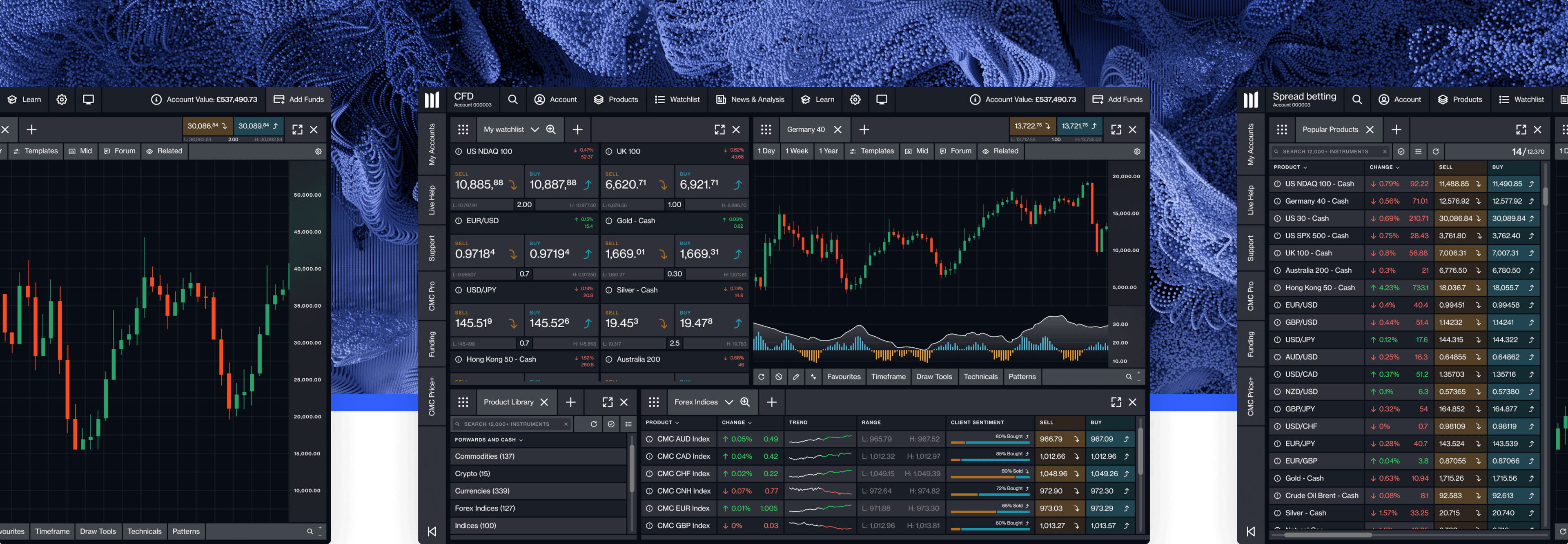
To start trading on Starlink shares after the IPO, open an account, where you will be able to choose between spread betting and CFDs. You can then explore the platform and trade on competitor stocks while you wait for Starlink to become available.
IPO prices are usually set by the underwriters, who also perform due diligence and help to stabilise the market after the stock has been issued. IPOs in the US often involve some of the largest financial companies as their underwriters, such as investment banks like Goldman Sachs and JPMorgan Chase.
To receive a notification on when Starlink is due to go public, register your email address at the top of this article. Otherwise, you can enable trading alerts for your account, where we will send you updates on breaking news and fresh stocks on our platform.
Although CEO Elon Musk plans to take Starlink public at some point in the future, there are currently no similar plans for its parent company, SpaceX. The company claims that they will not IPO SpaceX until they are conducting regular flights to Mars, which is not expected to happen until 2024, according to SpaceX’s website.