The semiconductor rally has reached extremely overbought levels
The VanEck Semiconductor ETF has surged more than 50% since late March, but the move is now looking stretched. With SMH trading above its upper Bollinger band and RSI pushing beyond 80, the rally may be nearing a phase of consolidation or a sharper pullback.

Founder, Mott Capital Management
Semiconductor shares have become one of the market's hottest trades
Semiconductor stocks have been among the standout performers in recent weeks, with the VanEck Semiconductor ETF, known by its ticker SMH, climbing more than 50% since the end of March. That kind of move has reinforced the view that investors are still willing to pay up for the parts of the market most closely tied to the AI build-out and broader technology leadership.
But the speed of the rally is now becoming part of the story. When an ETF advances this far in such a short period, the question shifts from whether momentum is strong to whether the move has become too crowded and vulnerable to a pause.
The technical picture is now flashing extreme overbought conditions
Technically, SMH is now trading above its upper Bollinger band, while the relative strength index has risen above 80. That combination matters because it points to a market that has become stretched, even if the broader trend is still positive.
Overbought conditions do not automatically mean a top is in place, but they do tend to increase the risk that momentum begins to fade. At the very least, they usually argue for more caution when chasing an already powerful move higher.
Source: TradingView, 11 May 2026
October offers a useful reminder of how these setups can unwind
The last time the sector looked similarly extended was in October, and that episode did not lead to an immediate collapse. Instead, the market entered a prolonged period of sideways consolidation before eventually drifting back towards the lower Bollinger band.
That historical comparison matters because it suggests the next phase may be less about a dramatic reversal and more about the market needing time to absorb gains. Even so, if momentum does weaken more sharply, the distance from current levels to more normal technical support is meaningful.
The rally may still continue, but the risk-reward is no longer as clean
The underlying semiconductor story has not suddenly broken down, and there is still room for leadership within the sector if earnings and AI-related spending remain supportive. But from a tactical perspective, the chart is now sending a different message: this is no longer an easy part of the move to join.
When a sector becomes this overbought, investors may need either a period of consolidation or a pullback to reset conditions before the next leg higher can be sustained. That leaves the semiconductor trade looking increasingly vulnerable to a steeper decline, even if the longer-term narrative is still intact.

Texas Instruments signals a broader industrial rebound
Texas Instruments has done more than beat earnings expectations. Its results suggest that industrial demand is improving again, giving investors a useful read on whether the real economy is finally climbing out of its slowdown.

Big Tech earnings will test whether AI hype can keep driving the Nasdaq
Alphabet, Amazon, Meta, Microsoft and Apple now face a pivotal earnings week as investors ask whether expensive AI leaders can still justify record Nasdaq levels through stronger cloud growth, steadier margins and cleaner execution.
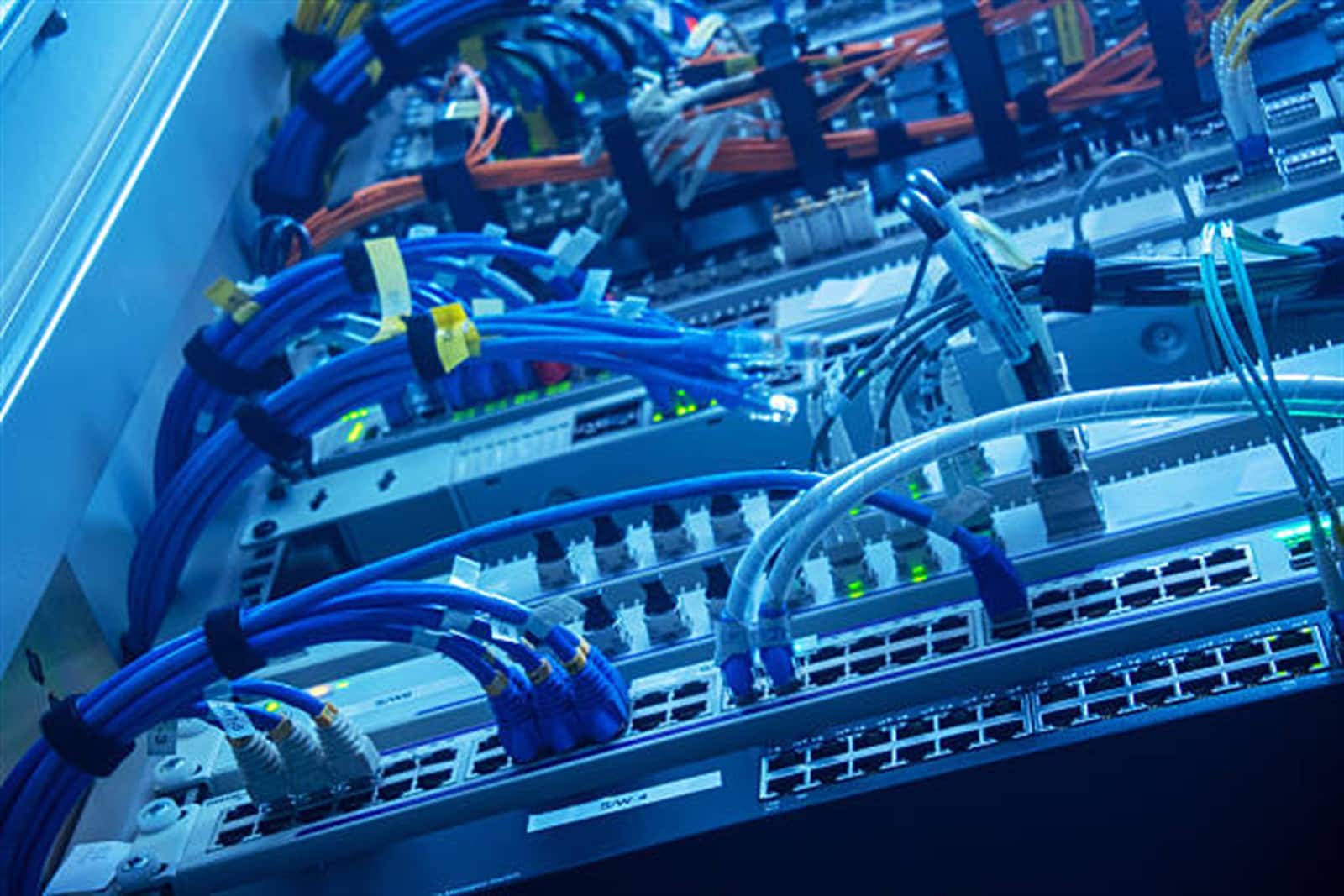
Traditional industry is profiting from the AI gold rush
The next beneficiaries of the AI build-out may be less glamorous than the headline chipmakers. Fibre-optic suppliers, ceramics specialists and other infrastructure-heavy industrial groups are emerging as the modern equivalent of selling picks and shovels into a gold rush.