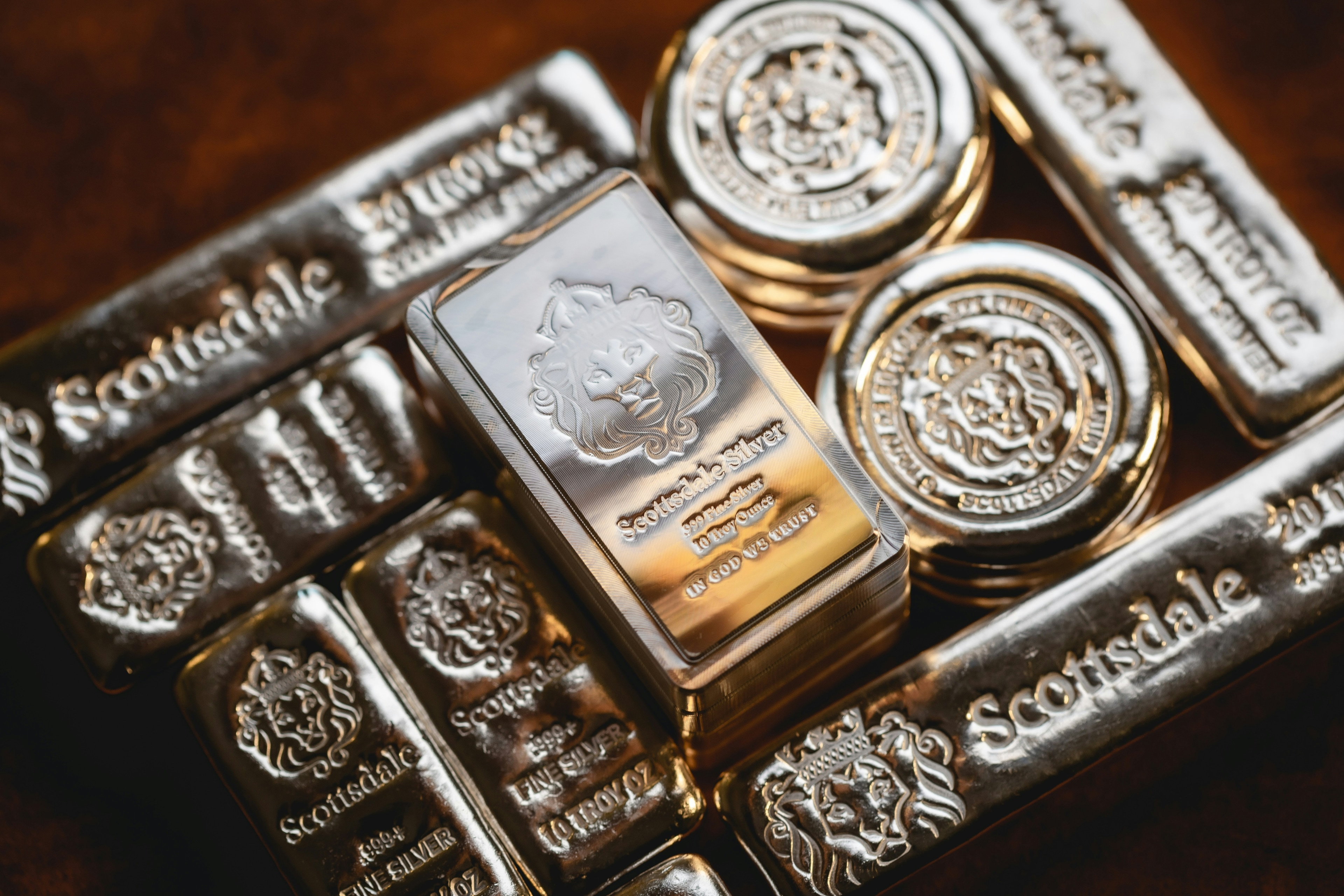
Silver short squeeze: the shortage is structural and demand is strong
The conditions for a silver short squeeze are on the table. Structural shortage, strong demand, and vertical price increases. Read the analysis

Market Analyst
Silver Unleashed: Structural Deficit and Increased Investment Demand
Silver is running wild. The silver ounce strongly breaks the historical maximum and the demand for silver far exceeds the available supply. Some reasons that could explain the movement:
A structural fall in inventories due to demand far exceeding supply. According to the latest World Silver Survey of 2025, silver could chain 5 consecutive years of deficit which, in aggregate, could approach 800 M ounces, which is approximately the total production of one year.
An alternative to gold. The vertical and constant rise of gold has led to the search for other options. The demand for silver as an investment asset (bullion and coins) is soaring and being implemented through physically backed ETFs, a product accessible to retail investors.
Fund Managers Begin to Limit New Subscriptions to Physically Backed ETFs
The scarcity of silver is leading Indian fund managers (such as Kotak Mutual Fund, UTI Mutual Fund and SBI Mutual Fund) to temporarily suspend new subscriptions to their physically backed funds.
The accumulation of investment and jewelry demand means that ETFs are paying an exaggerated premium for "touching". India has an important tradition of physical jewelry purchases that is accentuated at this time of year due to the accumulation of religious festivities.
The difficulty in acquiring physical silver is not only happening in India. BlackRock has indicated that the largest silver ETF, SLV, may not have the capacity to purchase enough silver due to the strong increase in subscription demand.
SLV in weekly chart with Turnover Momentum, extracted from TradingView on 15/10/25
Tension in Derivatives Markets, Futures Curve in Backwardation
The lack of silver forces paying an exaggerated premium for "touching". A circumstance that is also seen in the derivatives markets and the futures curve is trading in backwardation, an anomalous situation.
The spot price is more than 1 USD above the first expiration. In other words, the market is willing to pay more to have physical silver immediately than to wait for the future to expire.
Difference between the spot silver price and the first future expiration, extracted from TradingView on 15/10/25
Short squeeze due to lack of physical silver
The appetite for silver and the requirement to meet commitments in clearing houses explain this situation. This circumstance forces short traders to close positions, driving prices up: the "short squeeze".
This situation evokes what happened in 1980 at the hands of the Hunt brothers. At that time, the oil magnates accumulated massive amounts of physical silver and futures contracts, driving the price up to almost $50.
The underlying physical scarcity and sharp rises destabilized the market and forced financial institutions (banks with short positions in London) to deal with a lack of liquidity and skyrocketing borrowing costs.

DAX falls as geopolitical and financial risks converge
The DAX comes under pressure as Middle East tensions, energy uncertainty and financial strains in France and Indonesia unsettle investors. Solid corporate earnings remain a counterweight, but the risk of a broader repricing is growing.