Copper hits record highs as AI demand meets a structural supply squeeze
Copper has surged to record highs, but the rally is no longer just an AI story. Electrification, grid expansion and years of underinvestment in mine supply are creating a broader structural shortage that could keep the market tight for longer.

CMC Markets Poland
AI is only one part of the new copper story
Copper has just pushed to fresh record highs, but the move is no longer just about excitement around artificial intelligence. The build-out of data centres is clearly adding demand, yet the bigger message from the market is that copper is becoming a bottleneck commodity for a much broader industrial transition.
That matters because the metal sits at the centre of several long-duration themes at once. It is essential for digital infrastructure, but it is also critical to power networks, electrified transport and the wider modernisation of energy systems. In that sense, the latest rally is less about a one-off burst of speculation and more about investors starting to price a structural change in demand.
Electrification and grid expansion may matter even more than data centres
The Polish source argues that the AI narrative is only the beginning of the story because data centres are just one of several forces pulling more copper into the real economy. Electrification requires more cabling, substations, transformers and charging infrastructure, while ageing grids in developed economies still need significant upgrades.
That makes the demand picture unusually broad. Even if enthusiasm around AI cools temporarily, the physical rollout of electricity-intensive infrastructure may still keep copper consumption elevated. Big Tech's spending wave may have grabbed the headlines, but the underlying demand base is now spreading well beyond technology itself.
Supply cannot respond quickly enough
The other side of the equation is supply, and that is where the market is becoming more uncomfortable. New copper projects take years to permit, finance and develop, while existing operations are increasingly dealing with lower ore grades, political constraints and rising extraction costs.
That leaves the market vulnerable to persistent tightness. When demand accelerates across multiple sectors at once, supply has very little flexibility in the short term. This is why the source frames the current rally as a structural deficit story rather than a temporary spike that can be solved quickly by more production.
Copper is starting to send a wider macro signal again
Copper is often called a market barometer because it can reflect the underlying direction of industrial activity before that change is fully visible elsewhere. The latest move higher suggests investors are beginning to price a world in which the next investment cycle is defined not just by digital growth, but by the physical cost of building and powering it.
That creates a more interesting market message than a simple commodity rally. If copper remains tight, it could reinforce inflation pressure across supply chains and keep investors focused on the real-economy cost of the AI and electrification boom. For now, record highs in copper look less like an isolated story and more like an early warning that the next phase of industrial demand may be more resource-intensive than many had expected.
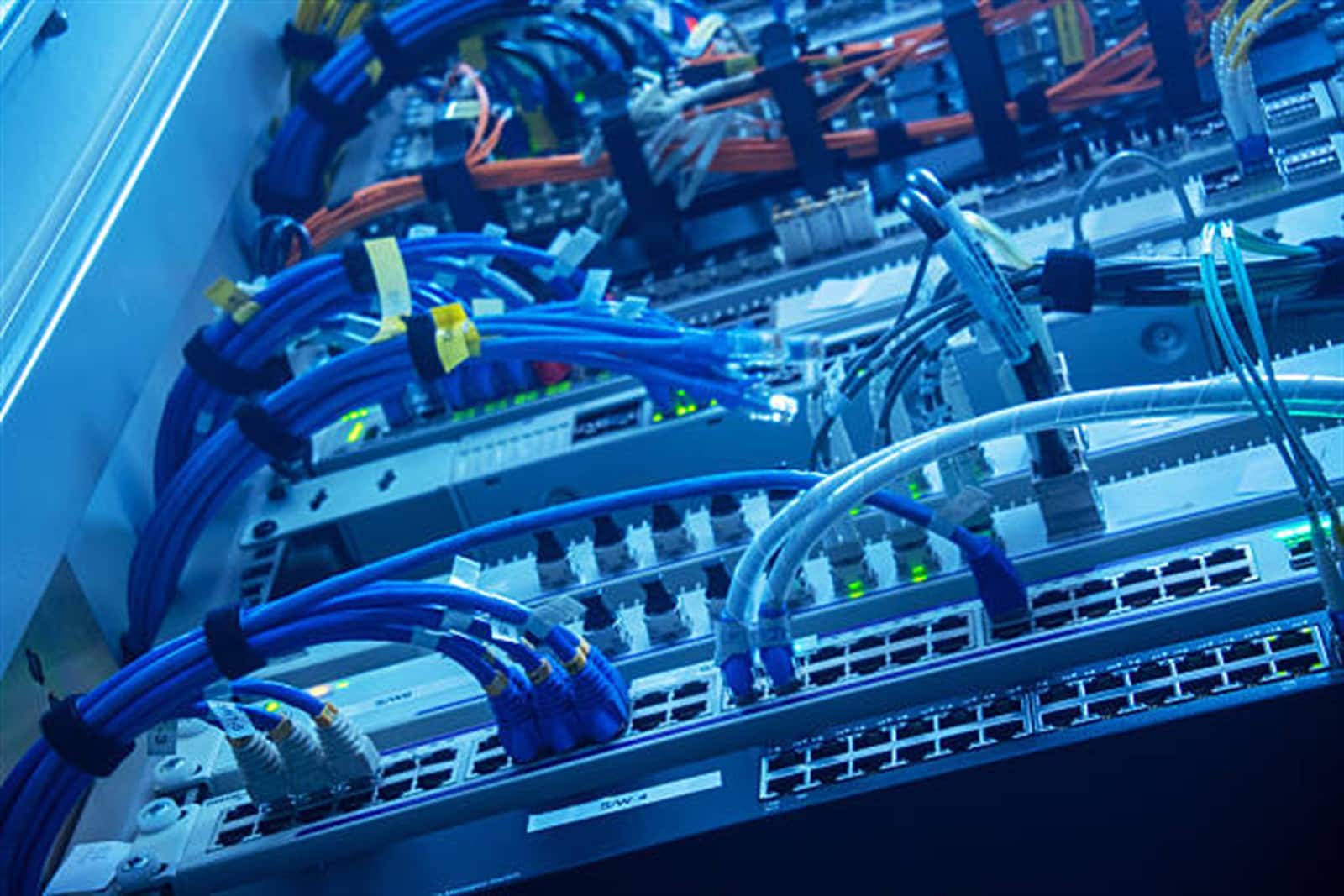
Traditional industry is profiting from the AI gold rush
The next beneficiaries of the AI build-out may be less glamorous than the headline chipmakers. Fibre-optic suppliers, ceramics specialists and other infrastructure-heavy industrial groups are emerging as the modern equivalent of selling picks and shovels into a gold rush.

Texas Instruments signals a broader industrial rebound
Texas Instruments has done more than beat earnings expectations. Its results suggest that industrial demand is improving again, giving investors a useful read on whether the real economy is finally climbing out of its slowdown.

The semiconductor rally has reached extremely overbought levels
The VanEck Semiconductor ETF has surged more than 50% since late March, but the move is now looking stretched. With SMH trading above its upper Bollinger band and RSI pushing beyond 80, the rally may be nearing a phase of consolidation or a sharper pullback.