
The DAX reaction is weaker, but still controlled
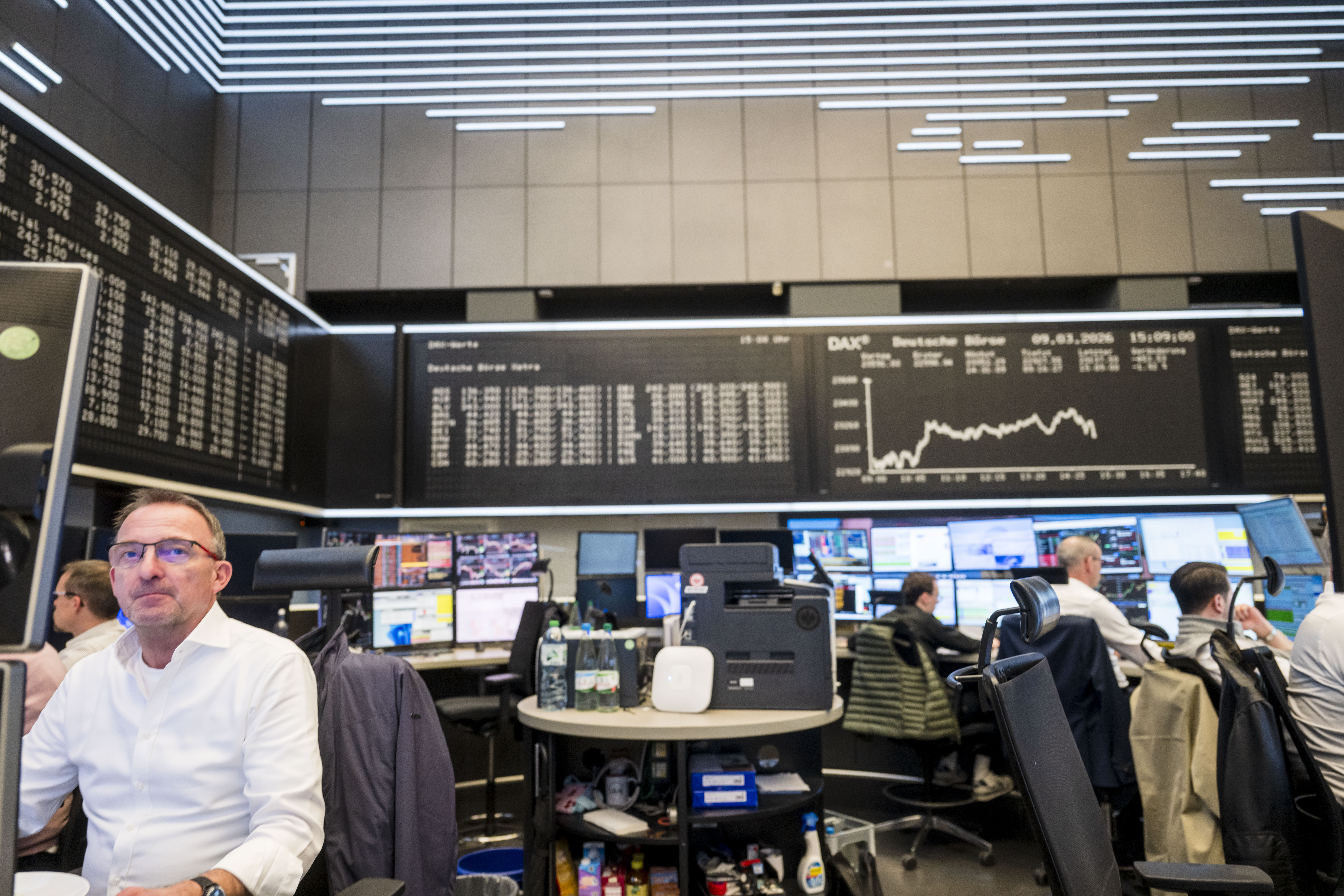
The DAX is showing a sizeable loss on the Frankfurt board, but the broader market reaction to the latest escalation in the Middle East still looks relatively moderate. Given the sharp rise in energy prices, the German source argues that equity losses around the world could have been much heavier.
That leaves investors focused on two immediate variables: how long the higher level in crude oil prices lasts, and how EUR/USD develops from here. For European markets, both matter because they feed directly into inflation expectations, imported energy costs and the outlook for economic growth.
Oil above $100 would be a more serious test for Europe
The source notes that US President Donald Trump is officially assuming a possible duration of four to five weeks for the military conflict. On that time frame, the impact on the European economy could remain manageable, especially if crude prices stay around the $80 to $85 area.
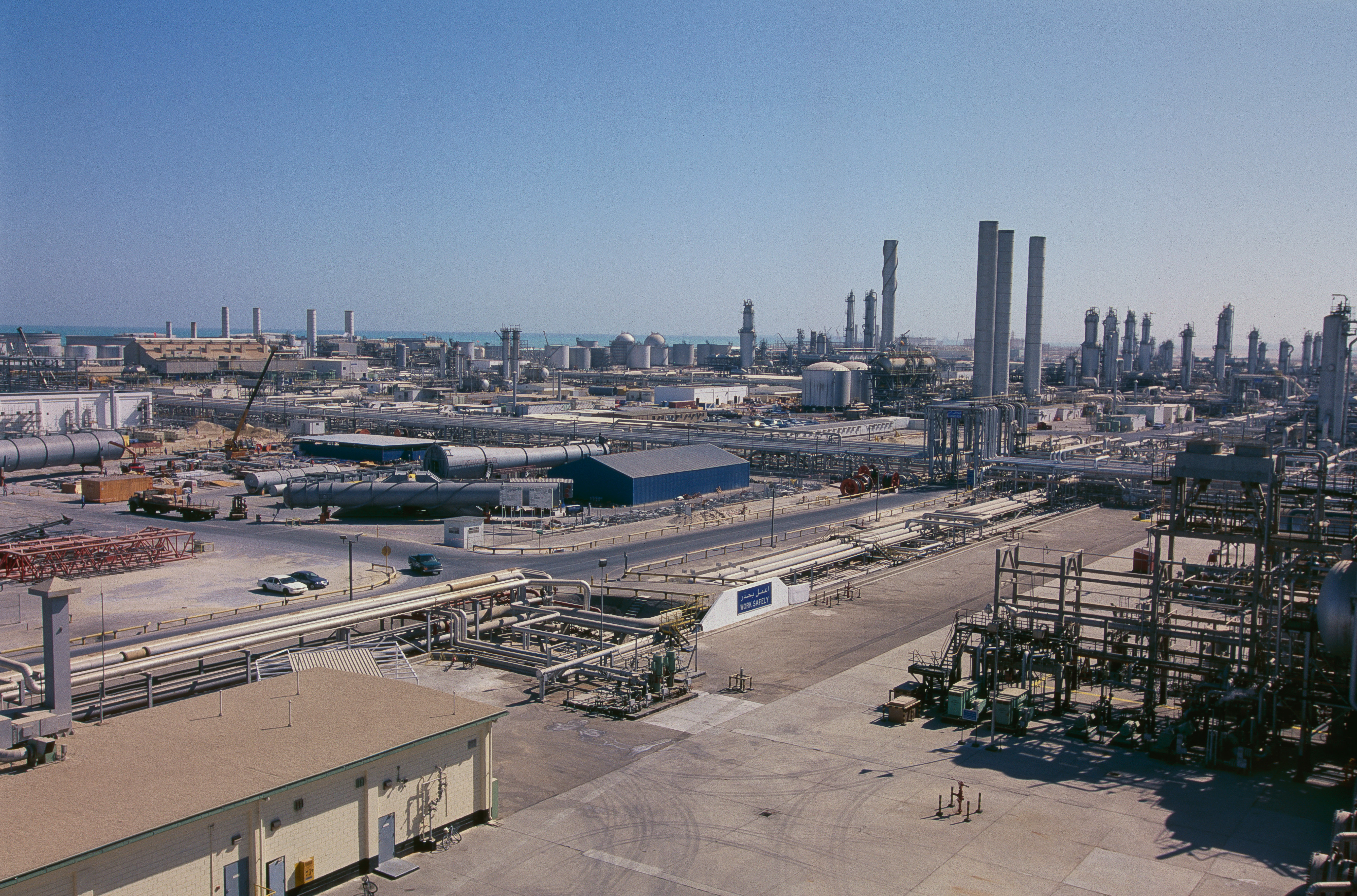
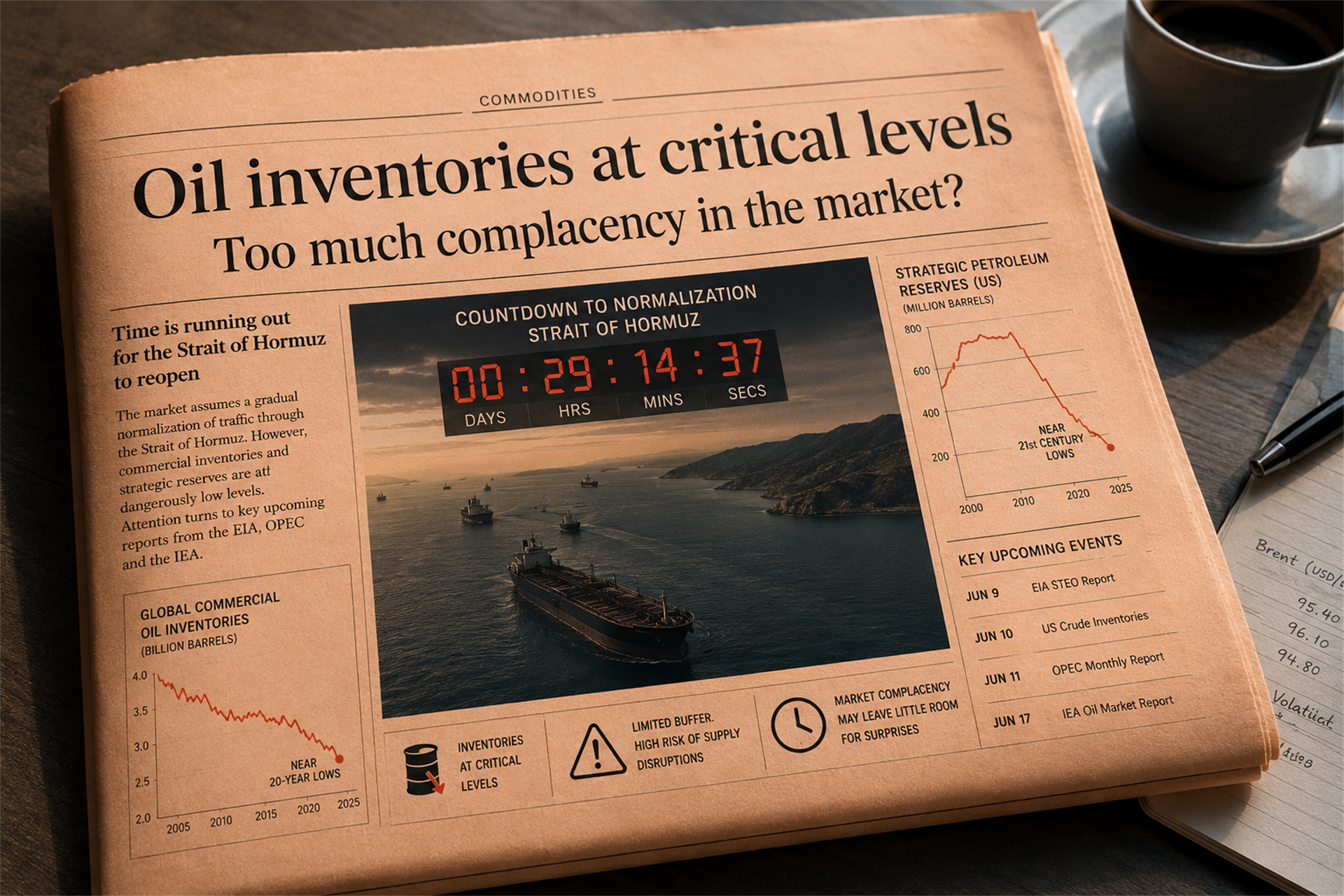
The more difficult scenario would be a sustained move above $100 that lasts for several months. That would become a much more serious factor for Europe because higher energy costs could weigh on growth and bring inflation pressure back into focus.
Wall Street has a different energy exposure
Japan and China are also exposed because both depend heavily on external oil supplies. A longer disruption to supply chains could slow global growth and lift inflation again, which would make the current market calm harder to sustain.