

Blackstone, a giant in alternative assets and a pioneer in the private credit sector, has come under criticism after months of downplaying risks associated with its non-bank lending portfolio. Reality has caught up with the narrative of private credit as a safe alternative to bonds, and despite assurances about strict borrower selection, the fund has been hit by a wave of defaults in sectors most exposed to higher interest rates.
This has been a painful awakening for investors who believed private debt was resilient to market volatility.
Transparency issues in valuations
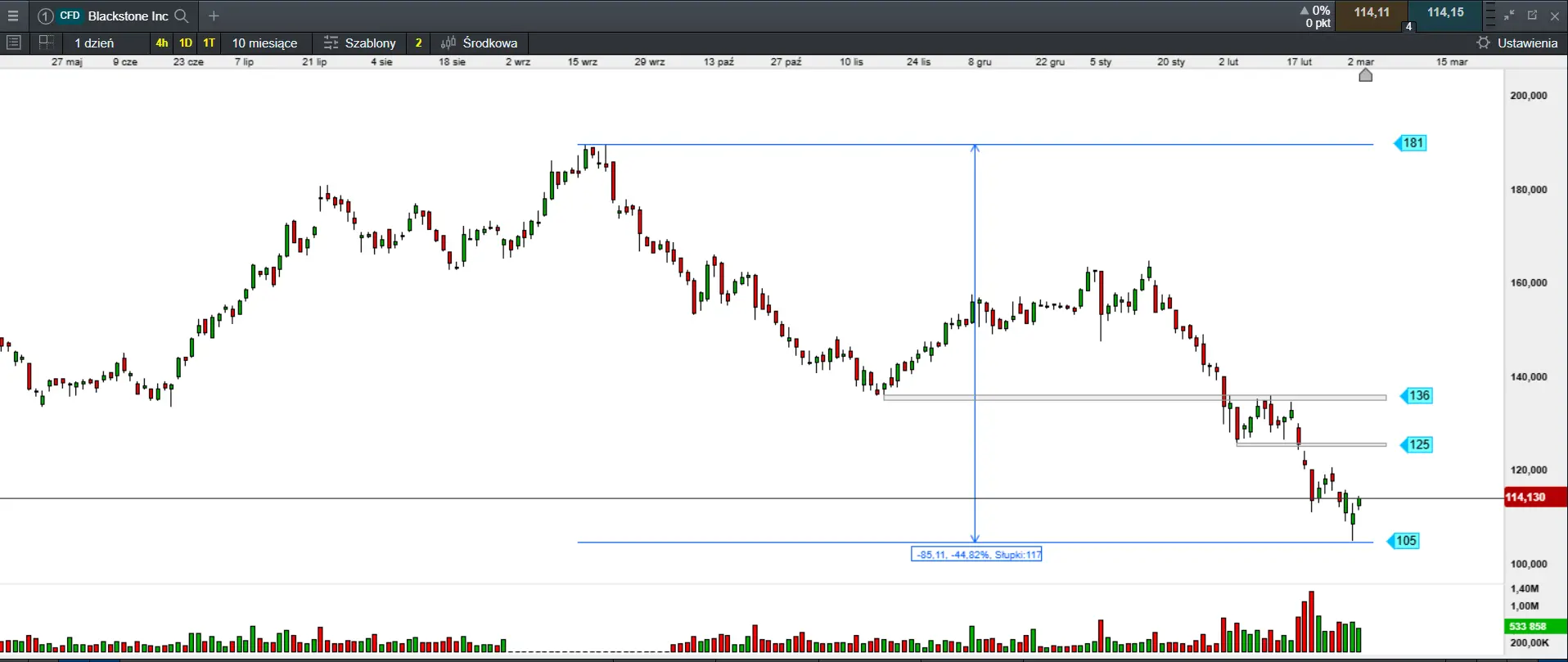
A key problem has been the lack of transparency in asset valuations. While bond prices on public markets adjust quickly when conditions deteriorate, funds managed by Blackstone and similar firms value their loans using internal models. These valuations can smooth out losses over time and delay their recognition.
As more mid-sized companies financed by business development companies struggle to service their debt, Blackstone has been forced to record significant write downs.