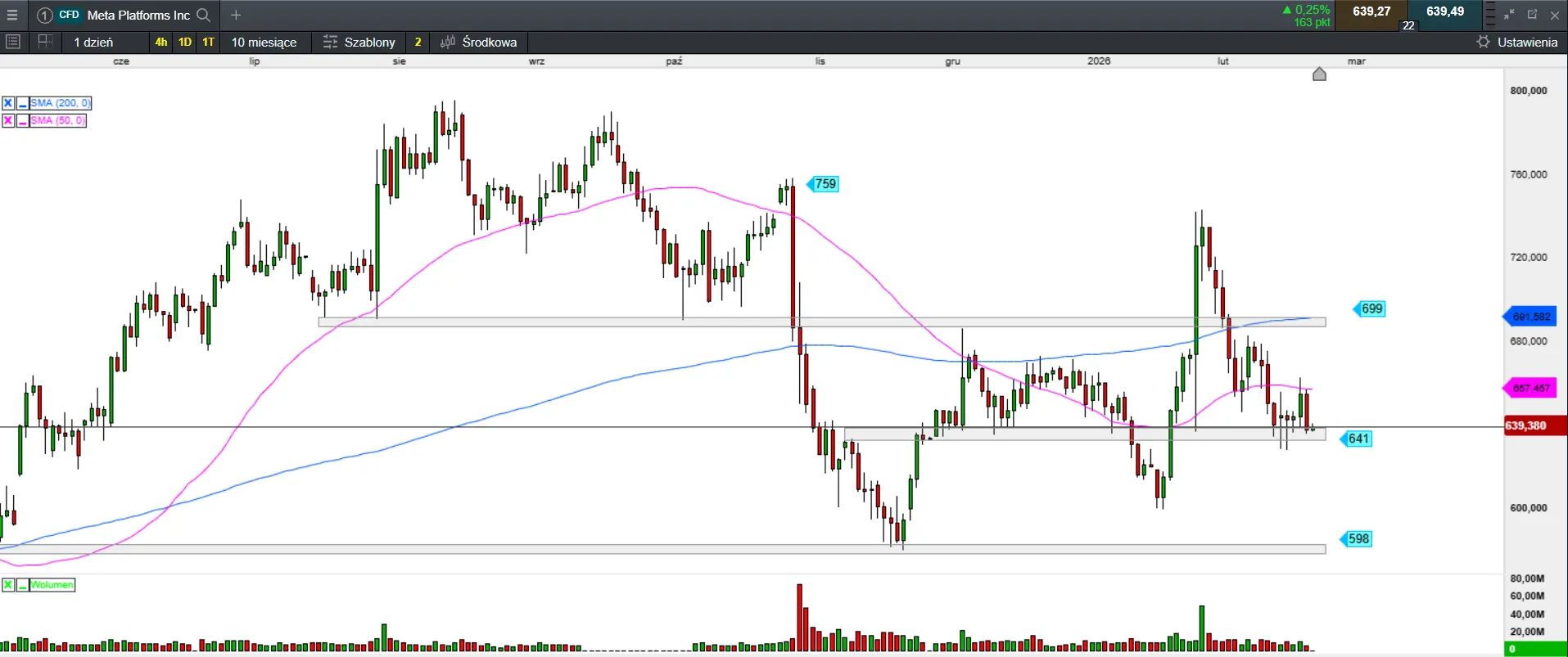

Meta Platforms appears to be a cash generation machine. So why has the company been increasing its debt to finance new data centres?
The answer lies in the quality and interpretation of its free cashflow. The headline figures reported to investors may give a stronger impression of underlying financial flexibility than is warranted.
Last year, Meta generated billions of dollars in cash. However, a substantial portion was effectively absorbed by real cash costs linked to stock-based compensation. These included significant withholding tax payments triggered when employee share awards vested, as well as further billions spent on share buybacks to offset share dilution.
Viewed through this lens, it becomes clearer why Meta more than doubled the debt on its balance sheet last year, taking total borrowings to $58.7bn. The company raised debt because internal cash generation was not as surplus to requirements as headline free cashflow might suggest.
In addition, reported figures do not reflect debt associated with a $27bn data centre construction project that has been kept off balance sheet through structured financing arrangements.
For investors, this creates a valuation challenge. With a market capitalisation of approximately $1.66tn, expectations embedded in the share price already appear demanding.