Inflation is no longer moving smoothly back to target
The latest US CPI reading has pushed inflation to its highest level in three years, breaking the market's earlier assumption that price pressures would continue to cool without much disruption. That shift changes the tone of the macro debate because it leaves the Fed facing a much more awkward mix of sticky inflation and still-resilient demand.
Fuel costs could trigger a wider second wave
The immediate driver of the latest inflation jump has been fuel. Petrol and energy costs have risen sharply again, directly hitting households but also increasing pressure across supply chains and transport networks. The source warns that this may only be the first stage of a broader second-round effect.\n\nOnce higher energy costs start feeding into logistics, production and distribution, the inflation story no longer stops at the pump. It becomes a wider cost problem for businesses and consumers alike.
Food may be the next inflation flashpoint
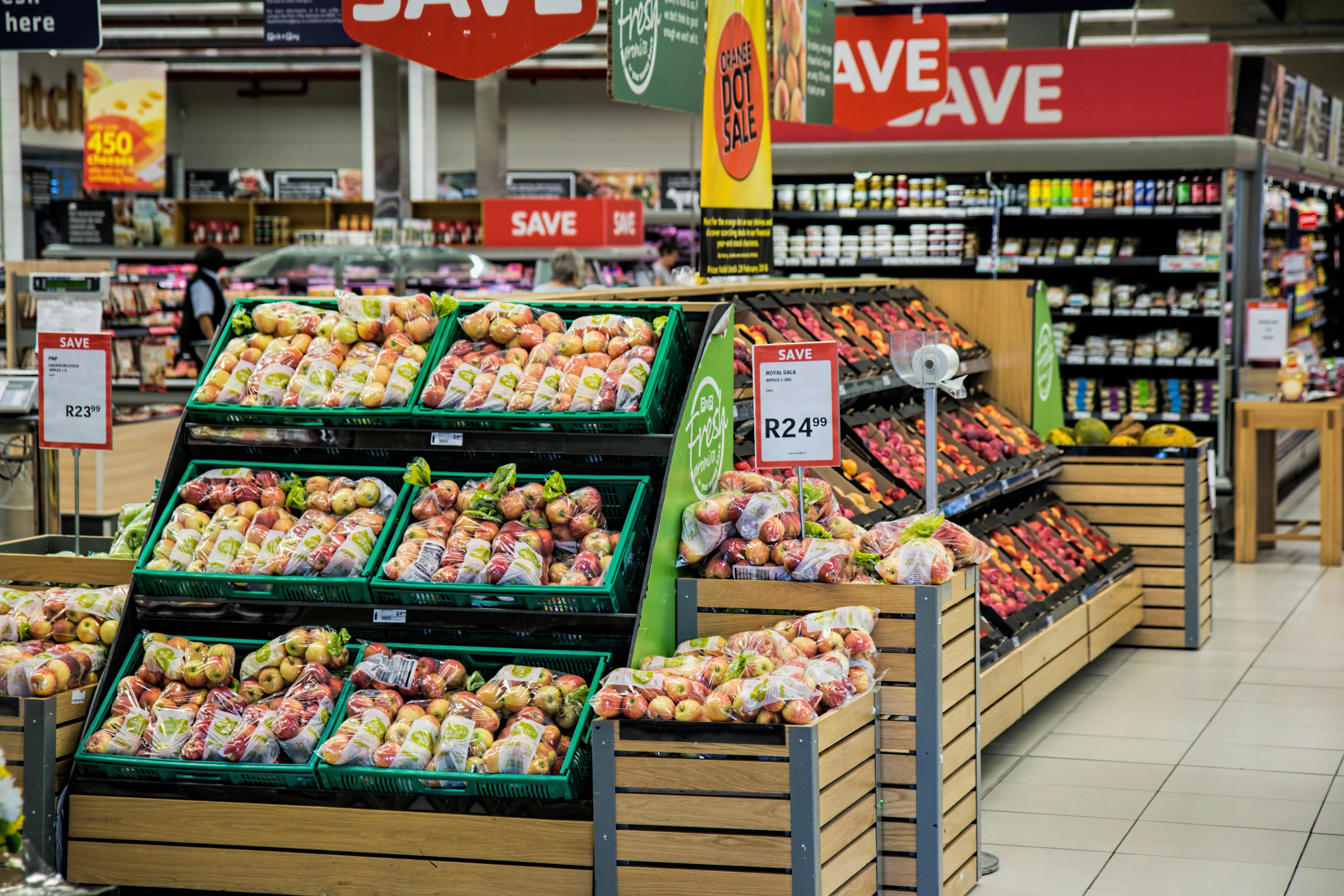
One of the more important points in the source article is that agriculture is deeply tied to energy markets. Fuel powers machinery and transport, while natural gas remains essential to fertiliser production. That means today's rise in fuel prices can become tomorrow's rise in food prices, often with a delay of several months.\n\nThis is why the inflation risk may prove more persistent than markets first expect. If higher energy costs begin to work through food production and distribution, households could face a fresh squeeze even if core inflation measures remain slower to respond.