SpaceX faces its first major test
SpaceX reports to the market for the first time since its stock-market debut. Consensus expects EPS of -$0.23 and revenue of $6.88bn, driven mainly by Starlink. The satellite connectivity division is not only becoming the company's profitability engine, but also the cash generator funding its two major long-term bets: artificial intelligence and the Starship space programme.
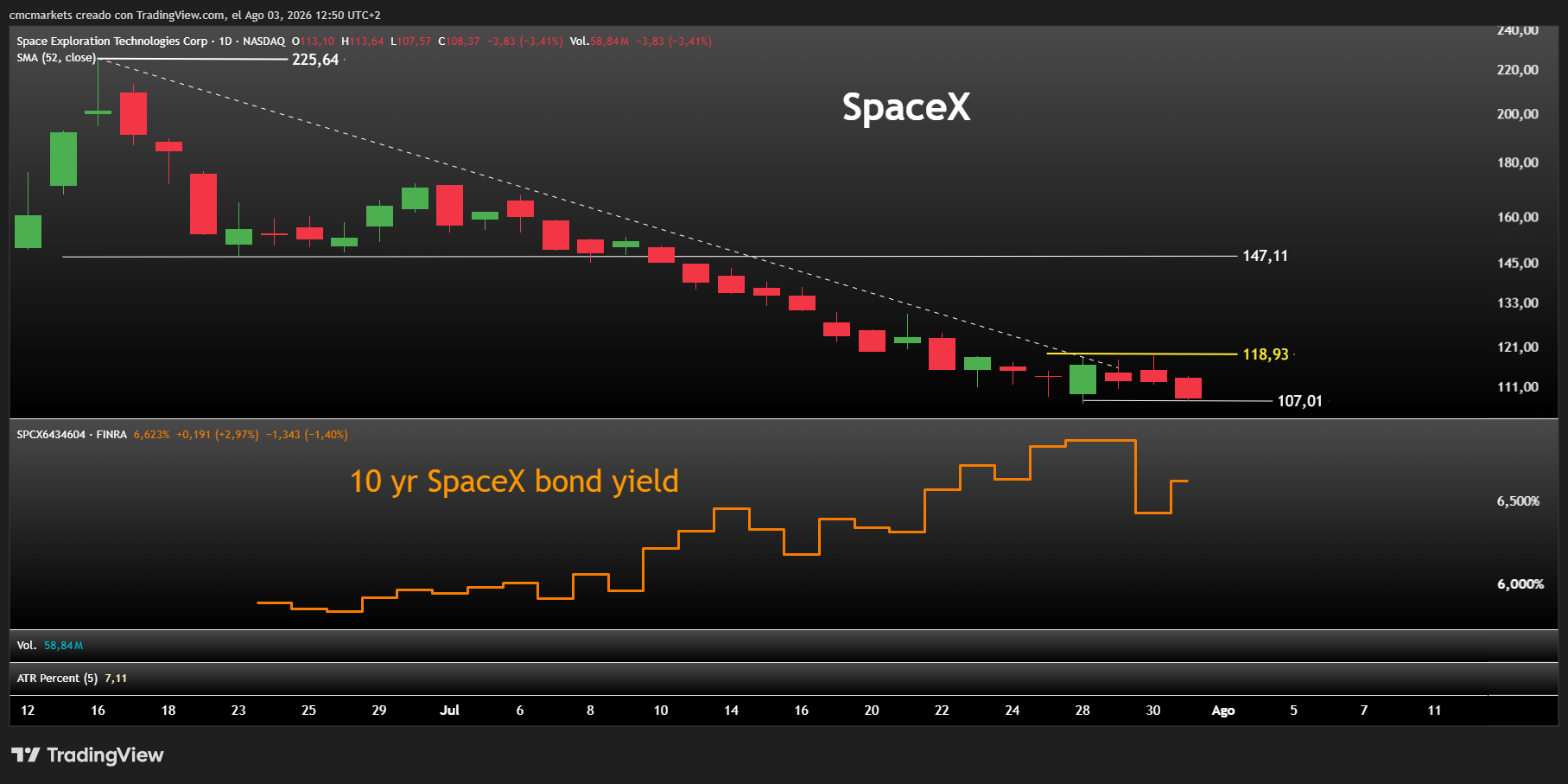
Attention is likely to return to balance-sheet quality and cash burn, especially in a much more demanding financing environment. The yield on SpaceX's 10-year bonds sits around 6.60%, almost 200 basis points above US 10-year Treasuries and in high-yield territory.
In this environment, the market will probably continue to assess whether growth is enough to justify current valuations. Despite the recent share-price correction, SpaceX trades on a price-to-sales ratio above 52x, well above Globalstar's 36.3x and close to Rocket Lab's 57.6x.
SpaceX valuation comparison
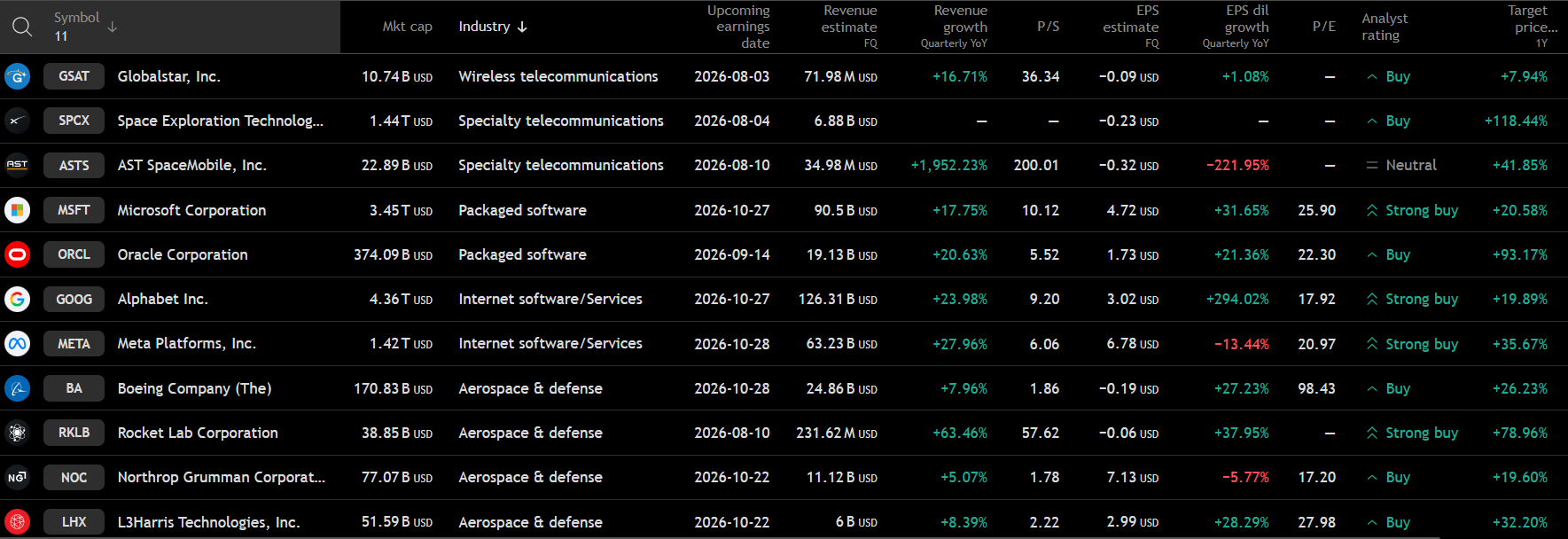
Source: TradingView, 3 August 2026
SpaceX still commands a strategic premium
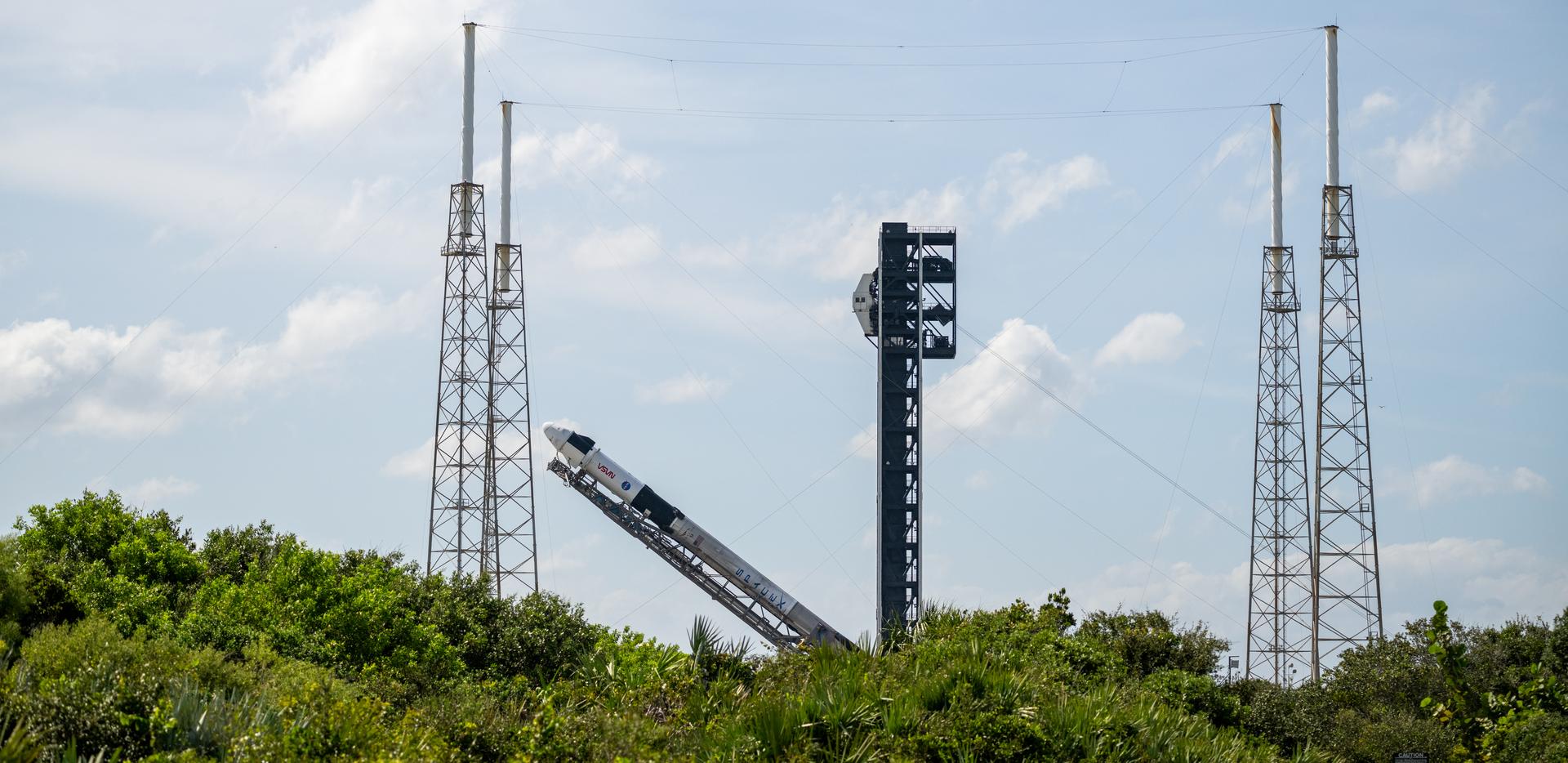
Even so, investors continue to award SpaceX a premium for its strategic role in aerospace and defence. Its main competitive moat lies in reusable Falcon and Starship rockets, a technological advance that has dramatically reduced launch costs and created a barrier to entry that is difficult to replicate.