AI investment creates short-term cost pressure
The rapid development of artificial intelligence may be adding fresh inflationary pressure to the US economy rather than helping to reduce the cost of living, putting the Federal Reserve in a more difficult position. For decades, computer hardware and consumer electronics were among the forces helping to push inflation lower as technology became cheaper and more efficient. The scale of investment now being channelled into AI infrastructure is starting to challenge that trend.
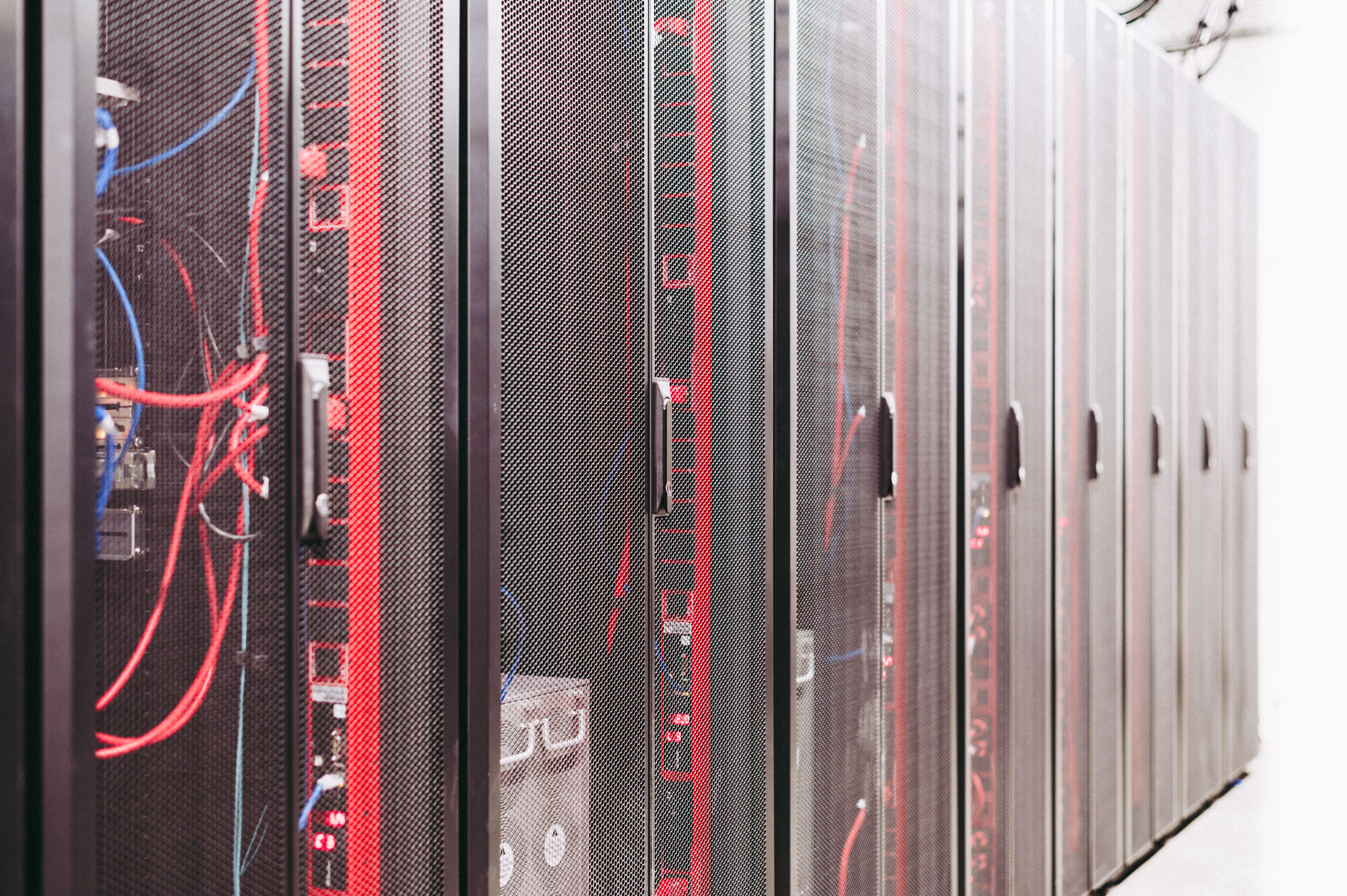
Technology giants including Alphabet, Meta, Amazon and Microsoft are committing hundreds of billions of dollars to build data centres and expand computing capacity. This has contributed to shortages of components such as memory chips and processors, while also lifting demand for construction materials, electricity, water and cooling systems. Industrial construction material prices have risen by 5.3% year-on-year, the strongest increase since the pandemic.
Analysts at CIBC estimate that the AI investment boom could add as much as 0.4 percentage points to headline US inflation. That would be an unwelcome development for Fed policymakers, who had expected automation and productivity gains from AI to help ease price pressures over time.
Instead, higher technology and infrastructure costs, combined with the wealth effect from rising equity markets, could keep inflation close to 3% and further away from the Fed’s 2% target. In a more challenging scenario, the central bank could be forced to consider renewed rate hikes rather than rate cuts, increasing mortgage costs and borrowing costs for consumers and companies.