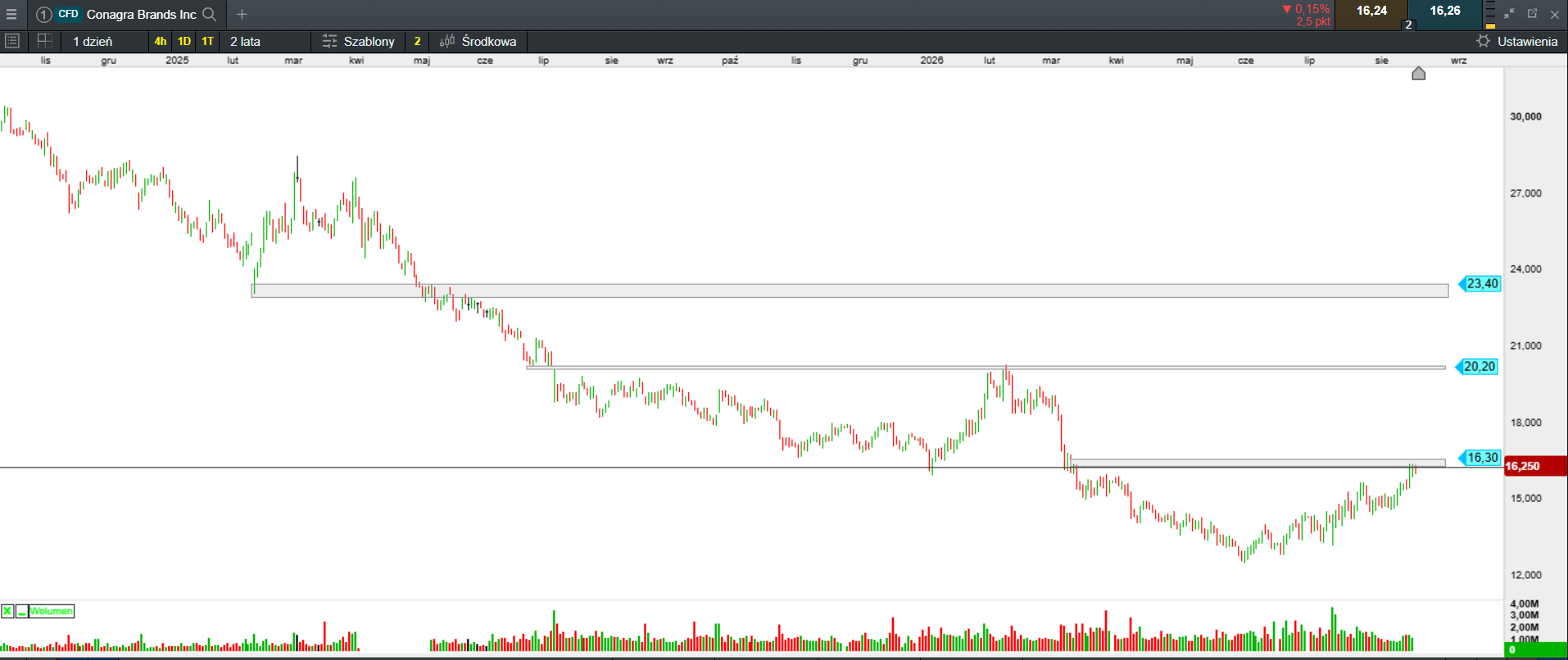
According to Morgan Stanley forecasts, by 2035 as many as 55 million Americans, or 15% of the population, will be taking GLP-1 drugs. KPMG estimates that people using these drugs consume about one-fifth fewer calories. JPMorgan estimates that as early as 2030, GLP-1 therapies could cost the food and beverage industry annual revenues of USD 30–55 billion. This is an amount roughly three to five times greater than the current annual sales of Conagra, one of the largest packaged food producers. It also affects giants such as PepsiCo and fast-food chains.
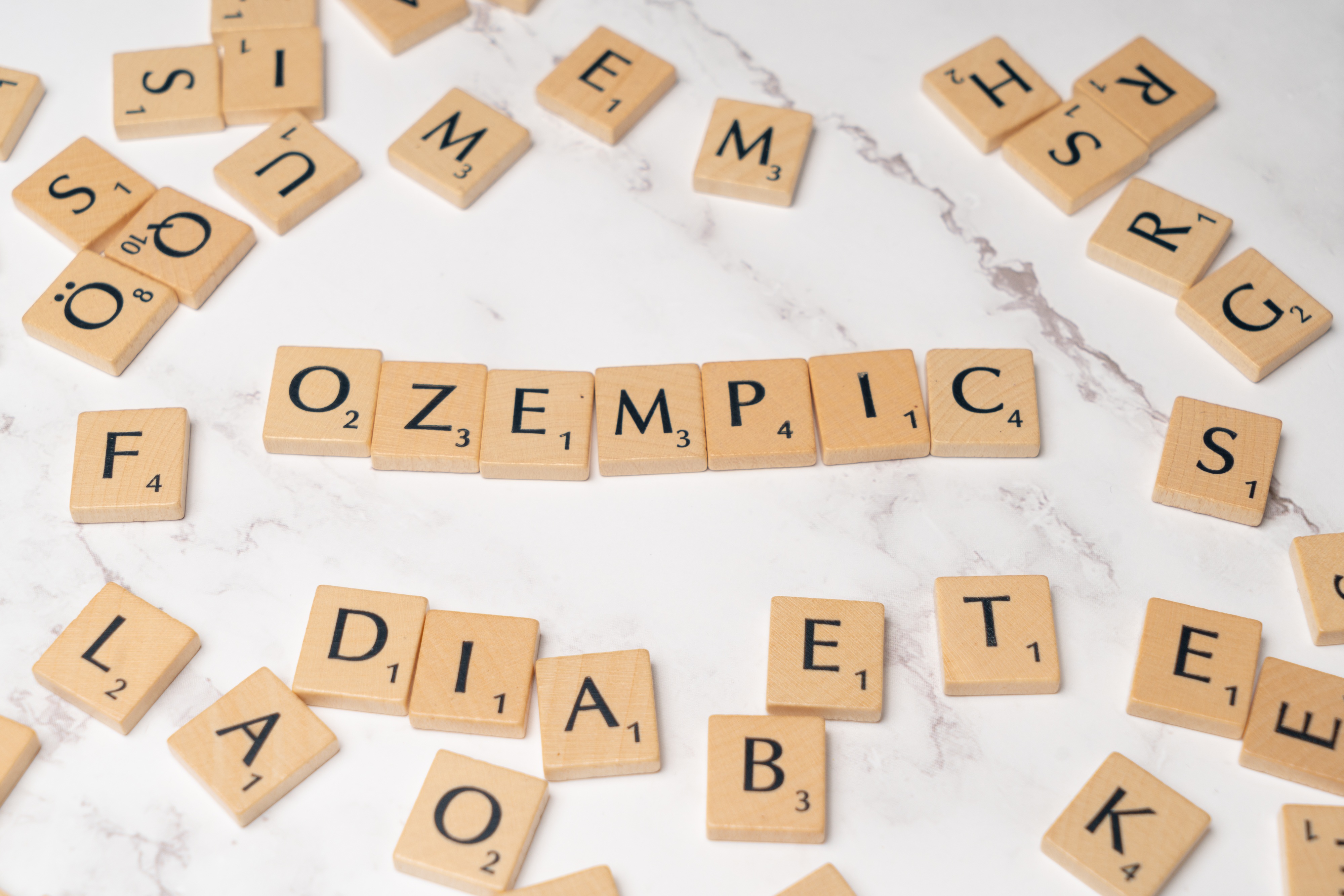
The growing popularity of modern GLP-1 weight-loss drugs, such as Ozempic or Wegovy, is beginning to trigger deep, structural changes in the food and retail industries. Processed food and snack producers, as well as fast-food restaurant chains, are grappling with changing consumer habits, as patients taking these drugs not only lose weight but, more importantly, drastically reduce their appetite and desire to reach for high-calorie snacks. While pharmaceutical companies are posting record profits and beating stock market valuations, the food market is seeing a noticeable decline in sales volume. However, this phenomenon is not solely due to the use of the drugs themselves. As analysts point out, a broader economic trend is overlapping with it: American households, exhausted by earlier inflation, are starting to save more intensively and cut back on eating out. As a result, the decline in retail food sales is a combination of both the pharmacological suppression of appetite in a growing segment of society and general belt-tightening by consumers. For food giants, this means having to immediately adjust their offerings — from reducing product portion sizes, through modifying formulas to include higher protein content, to seeking new marketing strategies that will help maintain margins in a world where customers are simply buying less food.