Strait of Hormuz blockade risk rises
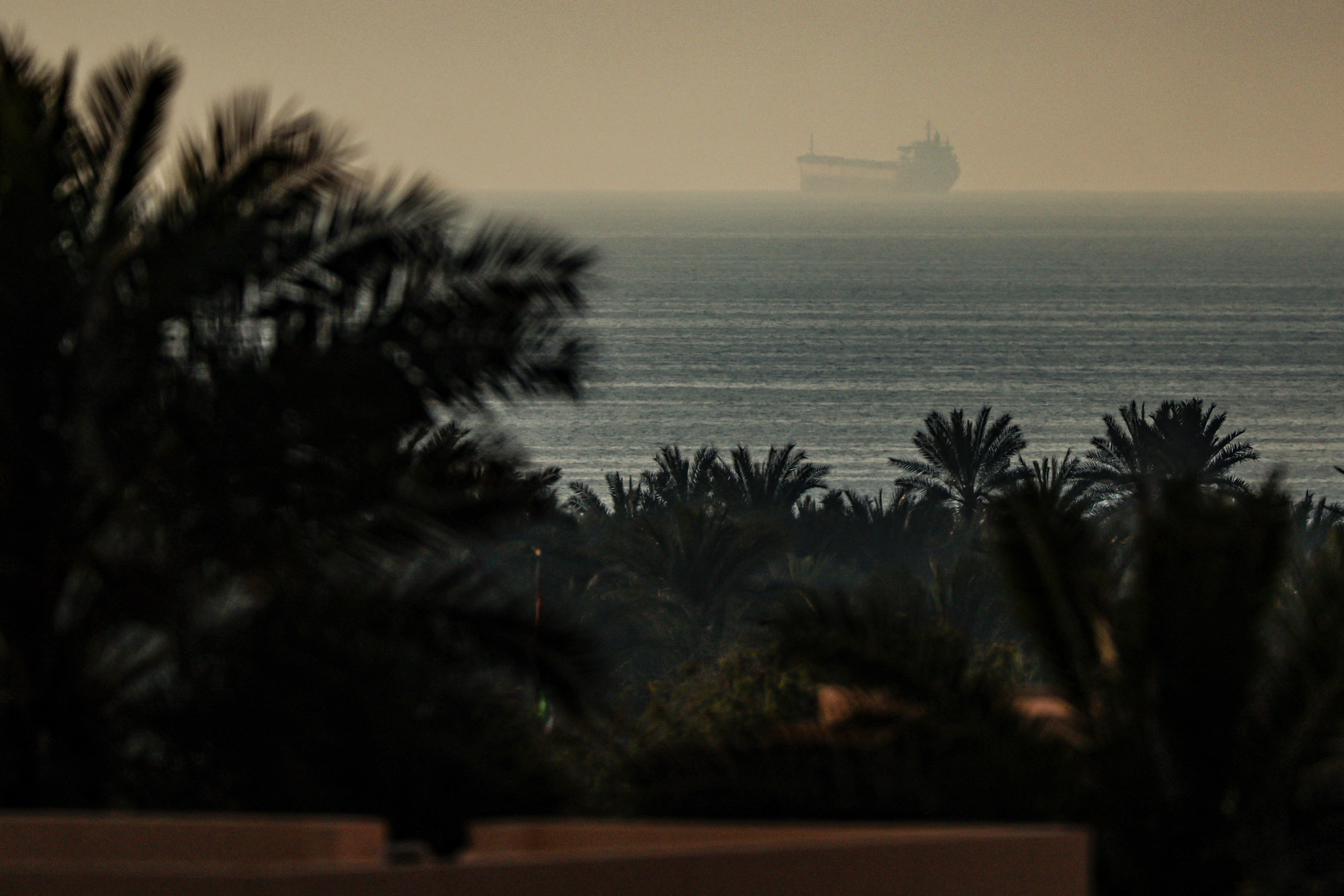
The risk of a prolonged blockade in the Strait of Hormuz increased after a drone attack on an oil tanker this weekend severely disrupted freedom of navigation.
Political uncertainty in Tehran is also intensifying the situation. The election of Mukhta Khamenei as Supreme Leader signals a more radical succession line, lowering expectations of diplomatic de-escalation and increasing the likelihood of disruptive actions in the Persian Gulf.
Metrics from Polymarket reflect the shift in perceived risk. The probability of the regime collapsing before 30 June has dropped to 32%, down from 50% at the start of the conflict. Meanwhile, the probability of a United States (US) ground intervention in Iran before the end of the month has climbed to 48%.
This suggests markets increasingly expect that removing the regime could prove more difficult, even as the likelihood of direct intervention rises.
Volatility surges across markets
Volatility in oil markets has surged. The CBOE Crude Oil Volatility Index (OVX) has reached levels higher than those seen during the war in Ukraine and comparable only to the COVID-19 crisis.
This volatility wave is spreading to other asset classes including equities, currencies and bond markets. Government bond yields are rising sharply as investors price in inflation risks, weaker growth prospects and widening fiscal deficits.
According to the Financial Times, the G7 will hold an emergency meeting on Monday to coordinate a release of strategic petroleum reserves.
The aim of this extraordinary intervention would be to mitigate the supply shock and stabilise prices in the short term. The most recent precedent was at the start of the war in Ukraine, when a coordinated reserve release temporarily slowed oil price gains.
A record strategic reserve release
According to the Financial Times, the G7 proposal involves releasing between 300 and 400 mil. barrels of oil.
Such a move would represent an unprecedented intervention. The volume would equal around 25% to 30% of total strategic stockpiles and would exceed both the coordinated response to the 2022 invasion of Ukraine and the measures taken during the 1991 Gulf War.
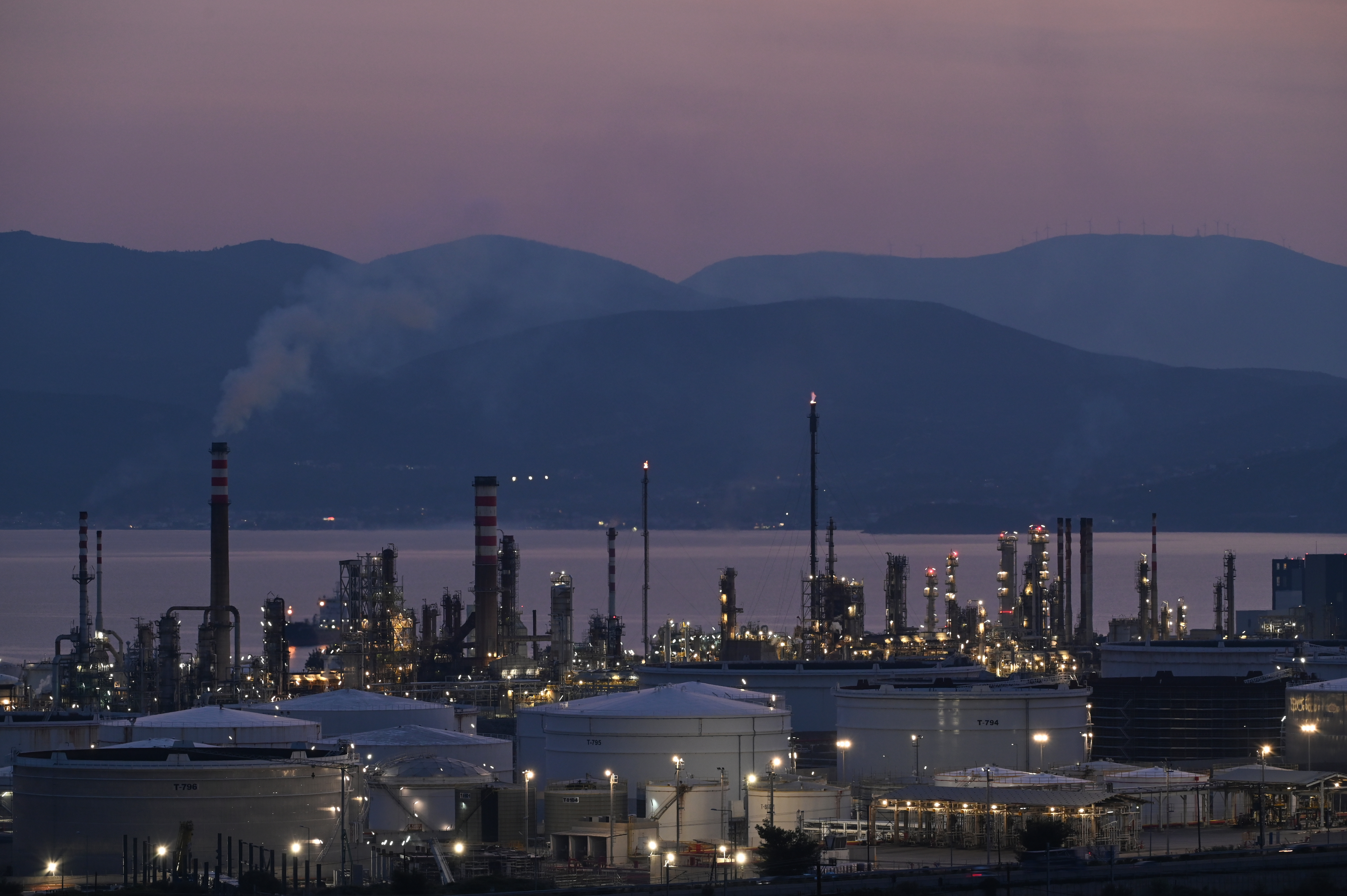
Part of the release would come from the United States Strategic Petroleum Reserve (SPR), which is already near historically low levels. This would reduce flexibility in the event of future crises or a prolonged disruption.
Roughly 15 mil. barrels per day normally pass through the Strait of Hormuz, excluding around 5 mil. barrels that can be diverted through Saudi pipelines. On that basis, a release of 300 to 400 mil. barrels would offset between 20 and 26 days of a complete supply disruption.
Key reports to watch this week
The duration of the Strait of Hormuz closure is becoming a critical variable for energy markets. Without flows from the Middle East, stabilising prices could become increasingly difficult.
Against this backdrop, several major energy reports this week will be closely monitored by markets.
Tuesday – 5pm (UK time): Energy Information Administration (EIA) Short-Term Energy Outlook Markets will focus on updated price projections for Brent crude and natural gas, as well as whether the agency includes scenarios involving a prolonged Gulf blockade or other stress scenarios.
Wednesday – 12pm (UK time): Organization of the Petroleum Exporting Countries (OPEC) Monthly Oil Market Report Attention will centre on whether member countries are willing to increase production. Russia remains a key player within the OPEC+ alliance, making its production capacity and logistical options particularly important.
Thursday – 10am (UK time): International Energy Agency (IEA) Oil Market Report The IEA may provide a technical assessment of a coordinated strategic reserve release. Its analysis could indicate whether the proposed G7 measures are sufficient to ease supply shortages or if markets should prepare for a more volatile pricing environment.