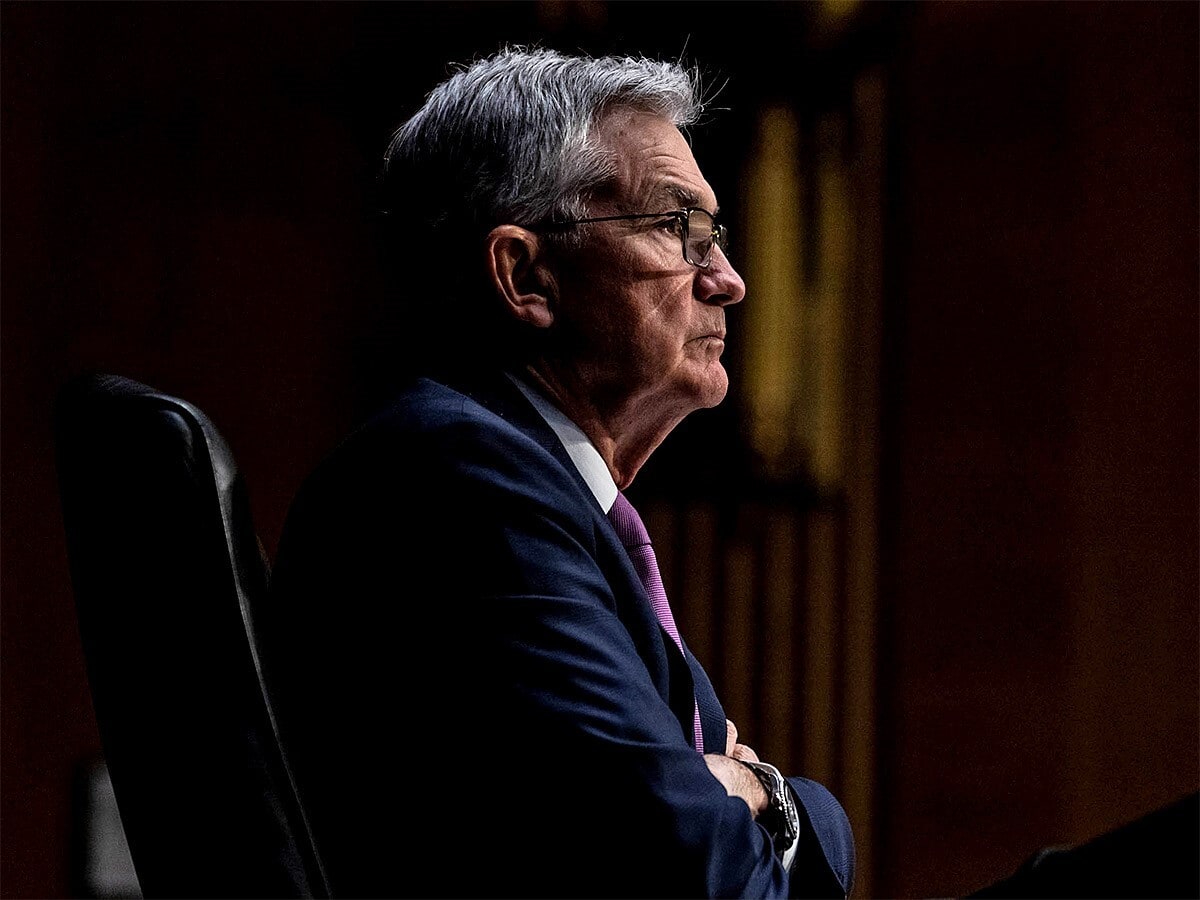
Published: Friday, 6 March 2026 at 12:10 (UK) Welcome to Michael Kramer’s pick of the key market events to look out for in the week beginning Monday 9 March. Rising geopolitical tensions in the Middle East, alongside US oil prices toping $85 for the first time since April 2024, are likely to bring inflation back to the forefront of traders’ and central bankers’ minds. The coming week features two key US inflation releases, the February consumer price index (CPI) print on Wednesday, and the delayed January reading of the Federal Reserve’s preferred inflation gauge, the personal consumption expenditures (PCE) price index, on Friday. The timing is significant ahead of the Fed’s rate-setting meeting on 17-18 March. Inflation expectations and bond yields are rising, prompting markets to scale back expectations of future interest rate cuts. This comes as Fed chair Jay Powell nears the end of his term, with Kevin Warsh widely expected to succeed him. Meanwhile, the AI trade remains in focus as Oracle reports third-quarter earnings on Tuesday. The company has become closely associated with concerns around AI-related spending and corporate debt, so investors will be paying close attention to both the results and guidance.
Oracle Q3 earnings
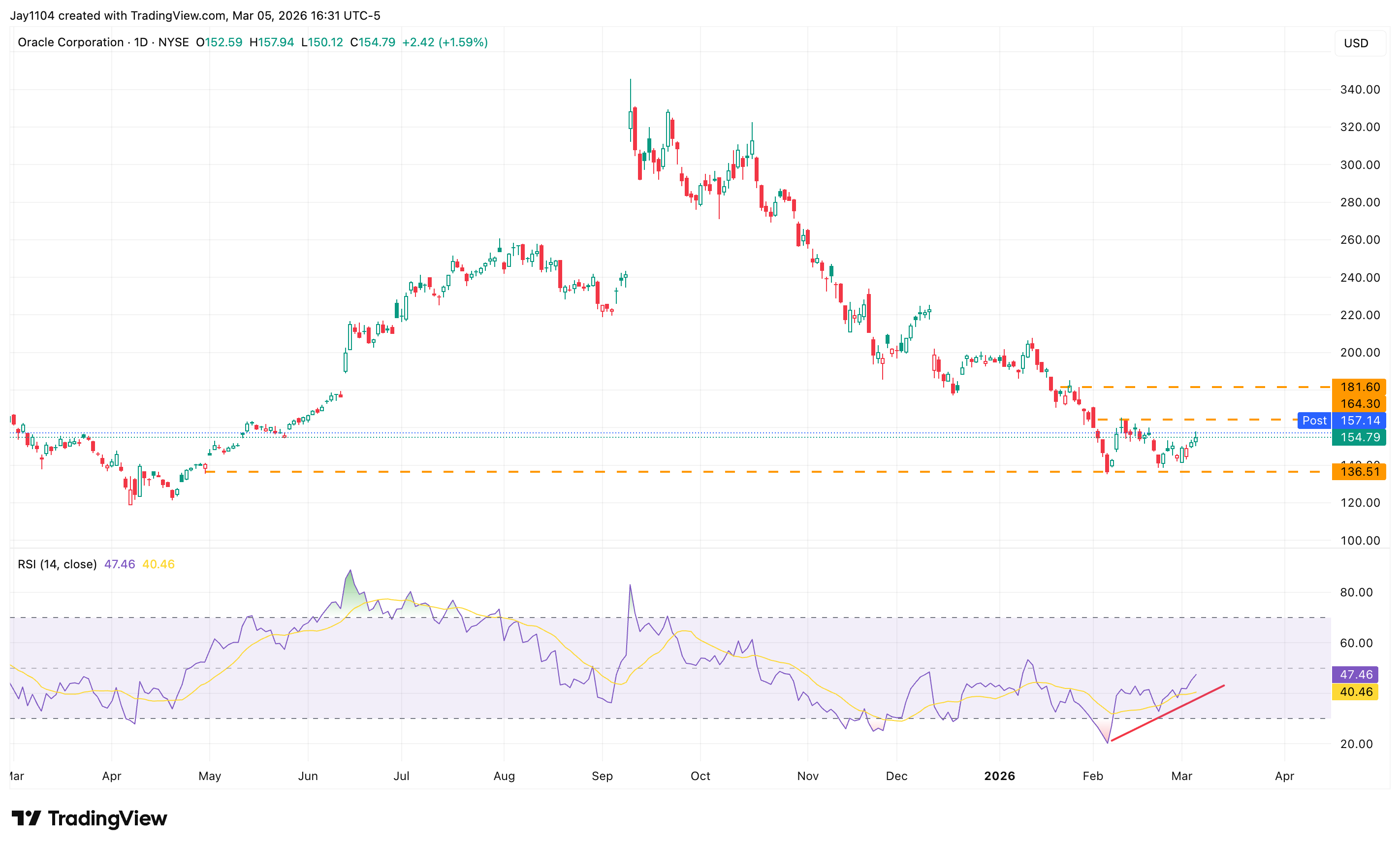
Tuesday 10 March Oracle is expected to report that its third-quarter earnings grew 15.9% to $1.70 a share as revenue increased 19.7% to $16.9bn, based on analysts’ estimates. Capital expenditure is estimated to have more than doubled to around $13.5bn. For the fourth quarter, analysts see earnings rising 14.6% to $1.95 a share on revenue growth of 20.2% to $19.1bn. Capital expenditure is set to continue to increase, climbing another 76% to roughly $15.9bn. Free cash flow will also be a key metric to watch. It has turned negative in recent quarters and is expected to remain under pressure, with estimates pointing to around negative $5.9bn in both Q3 and Q4. The options market currently implies that the stock – down 21% this year at $154.79, as at Thursday’s close – may move 11% in either direction following the Q3 results. Options positioning appears skewed to the downside. That said, with implied volatility elevated, any unwinding of hedges could support a rebound. Based on options pricing, support sits at $140 and resistance is around $180. From a technical analysis perspective, the stock has rebounded from $140 on three occasions this year, suggesting that support there is robust, while the relative strength index (RSI) has been trending higher. Initial resistance is near $160, with a move above that level potentially opening a path towards $180.