The merger idea is becoming harder to ignore
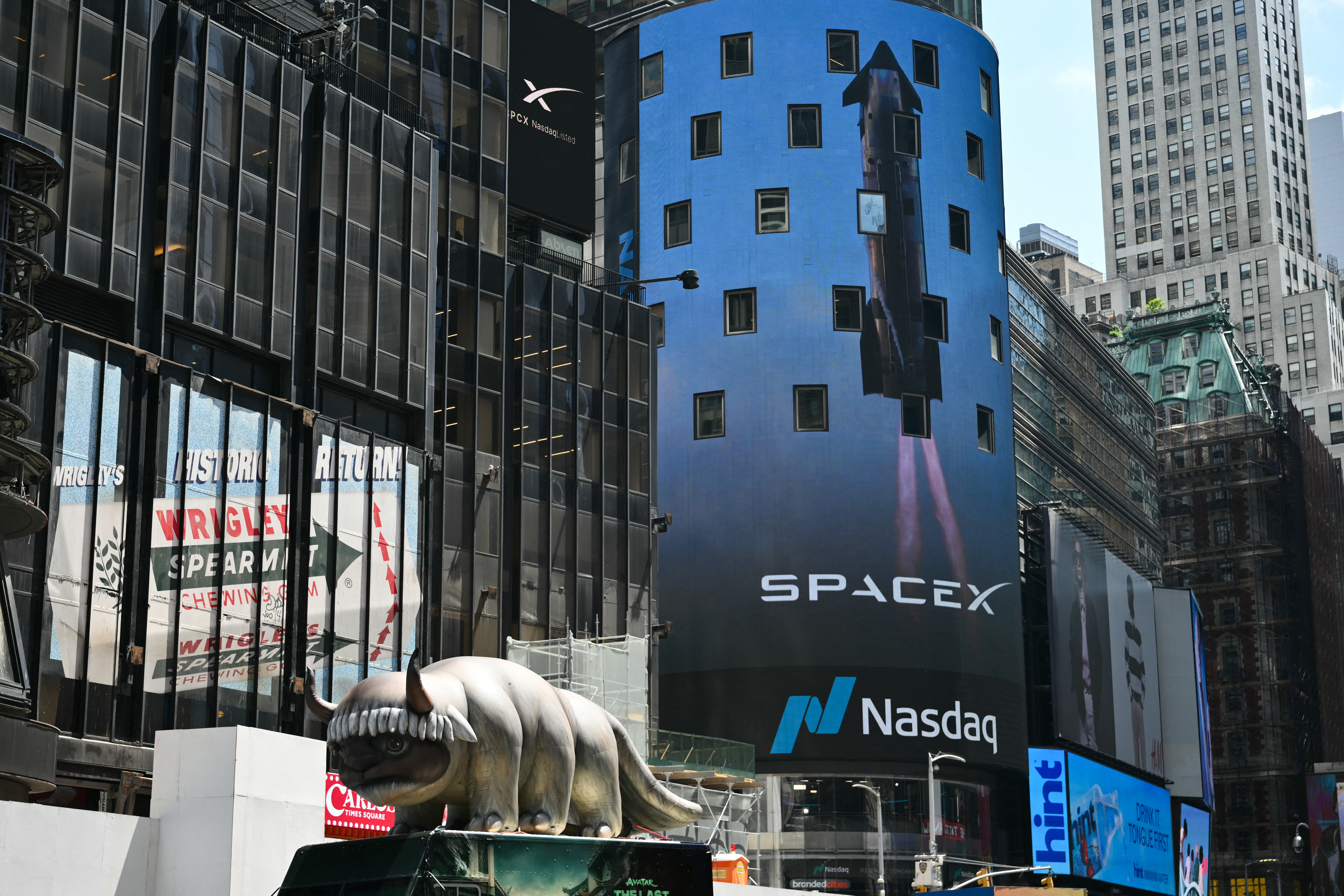
Investors are increasingly willing to discuss a scenario that once would have looked unrealistic: a possible merger between Tesla and SpaceX. The timing matters. SpaceX has moved into the public-market spotlight, while Tesla is pushing further into artificial intelligence, robotics, autonomous mobility and energy infrastructure.
Both companies are shaped by Elon Musk and both are built around long time horizons rather than narrow product cycles. Tesla began as an electric-vehicle company but now sits across software, batteries, energy storage, autonomous driving and humanoid robotics. SpaceX, meanwhile, combines launch services, satellite communications and the Starlink network. Bringing those businesses together would create one of the broadest technology and infrastructure groups in the market.
The strategic overlap sits in AI, data and infrastructure
At first glance, Tesla and SpaceX still look very different. One sells vehicles and energy systems; the other builds rockets and satellite networks. The overlap becomes clearer when the focus shifts to the infrastructure underneath each business: high-performance computing, automated manufacturing, robotics, batteries, connectivity and data.
A closer operational link could be especially important around Starlink and Tesla vehicles. Better satellite connectivity could support over-the-air updates, vehicle communication and autonomous-driving use cases in areas where mobile networks are weaker. Shared AI infrastructure and data-centre investment could also help both companies if they continue to scale large models, robotics systems and real-time communications networks.