

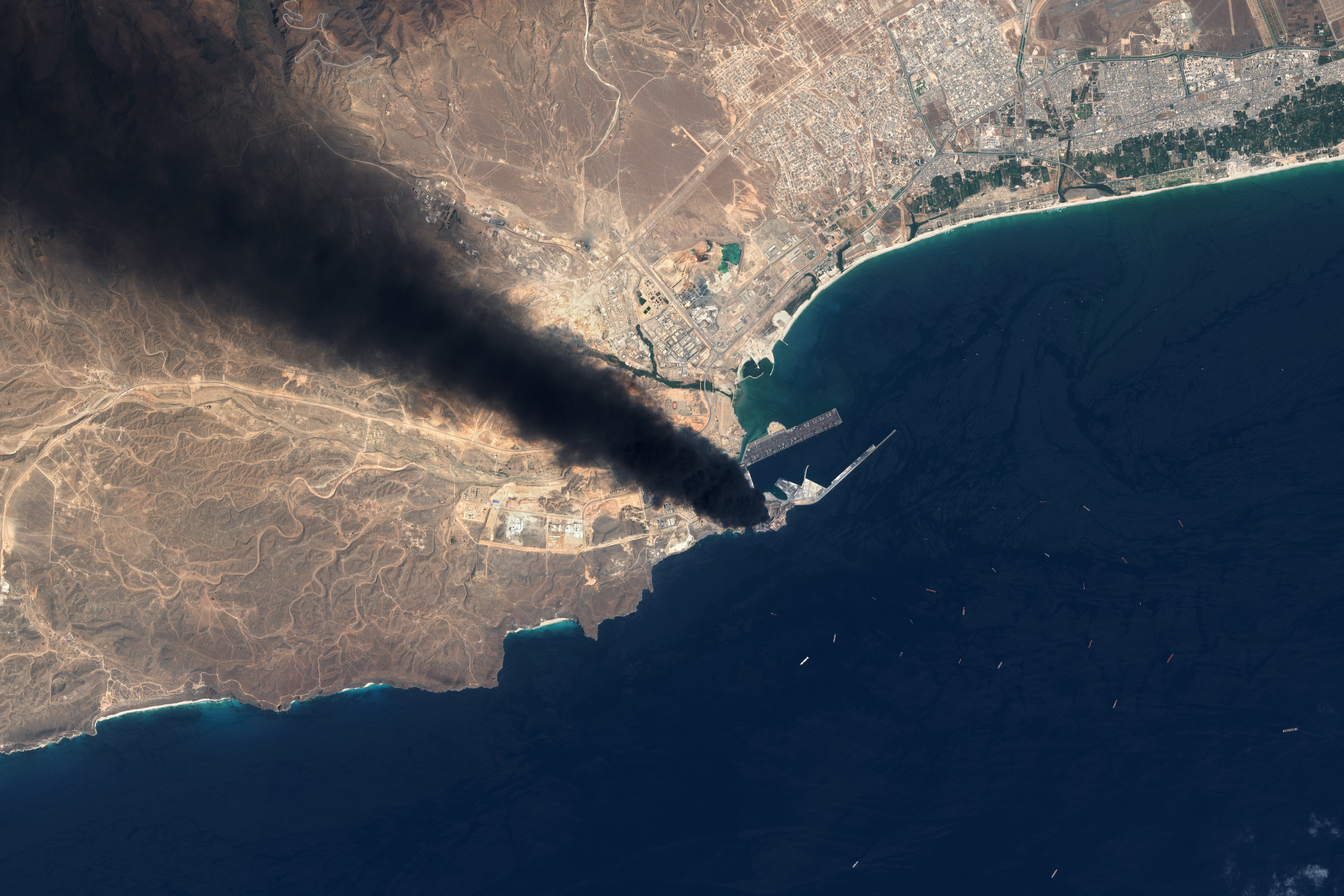
The ongoing conflict in the Middle East is increasingly having long-term, structural consequences for global financial markets. What initially appeared to be a short-lived geopolitical shock is now being reassessed as a factor that may shape market conditions over an extended period.
Oil prices back in focus
The most immediate and visible impact is on the energy market. The Middle East remains a key region for global oil supply, and any escalation raises concerns about disruptions.
As a result, oil prices have become more volatile and are trending higher, which directly feeds into inflationary pressures across major economies. The region’s importance as an energy supplier means that instability can quickly translate into global price shocks.
Inflation pressures may persist
Higher energy costs are already affecting inflation dynamics. While inflation had been gradually easing in many economies, the conflict risks reversing this trend or at least slowing the pace of disinflation.
This creates a more complex macroeconomic backdrop, where inflation may remain elevated for longer than previously expected, particularly if energy prices stay high.
Central banks face a more difficult path
For central banks, the situation introduces a clear policy dilemma. On one hand, economic growth is weakening; on the other, inflation risks remain.