
A crowded central-bank week is likely to bring more caution than action
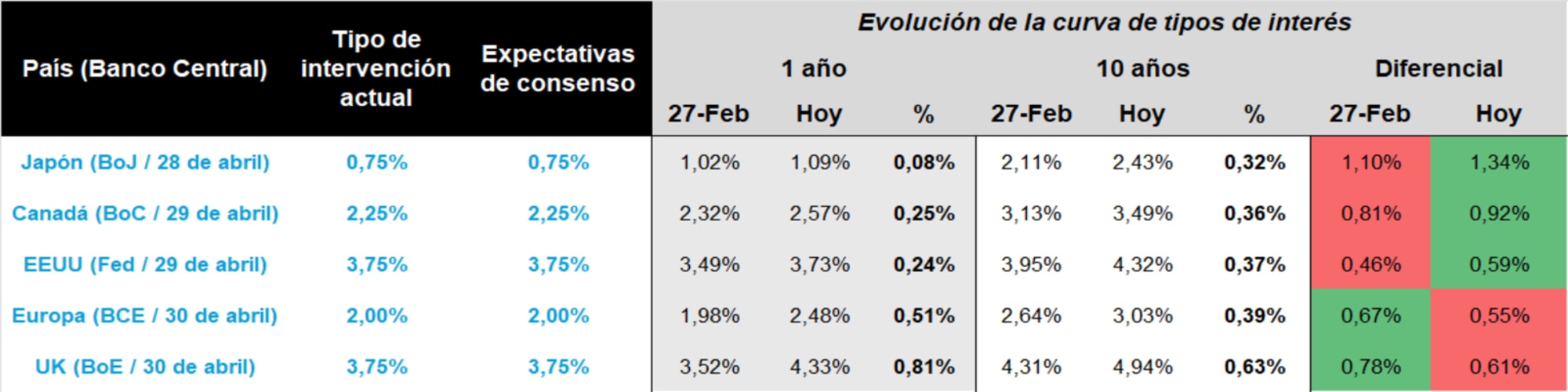
The Bank of Japan, the Bank of Canada, the Federal Reserve, the Bank of England and the European Central Bank are all due to meet this week. The broad expectation is unchanged policy across the board, with officials still in wait-and-see mode after the start of the conflict in the Middle East.
Even so, financial conditions are already tightening through the market rather than through official rates. Yield curves have shifted higher, credit spreads have widened and volatility has picked up, which means policymakers may feel less pressure to move immediately and more pressure to avoid damaging growth.
The energy shock is not hitting every economy in the same way
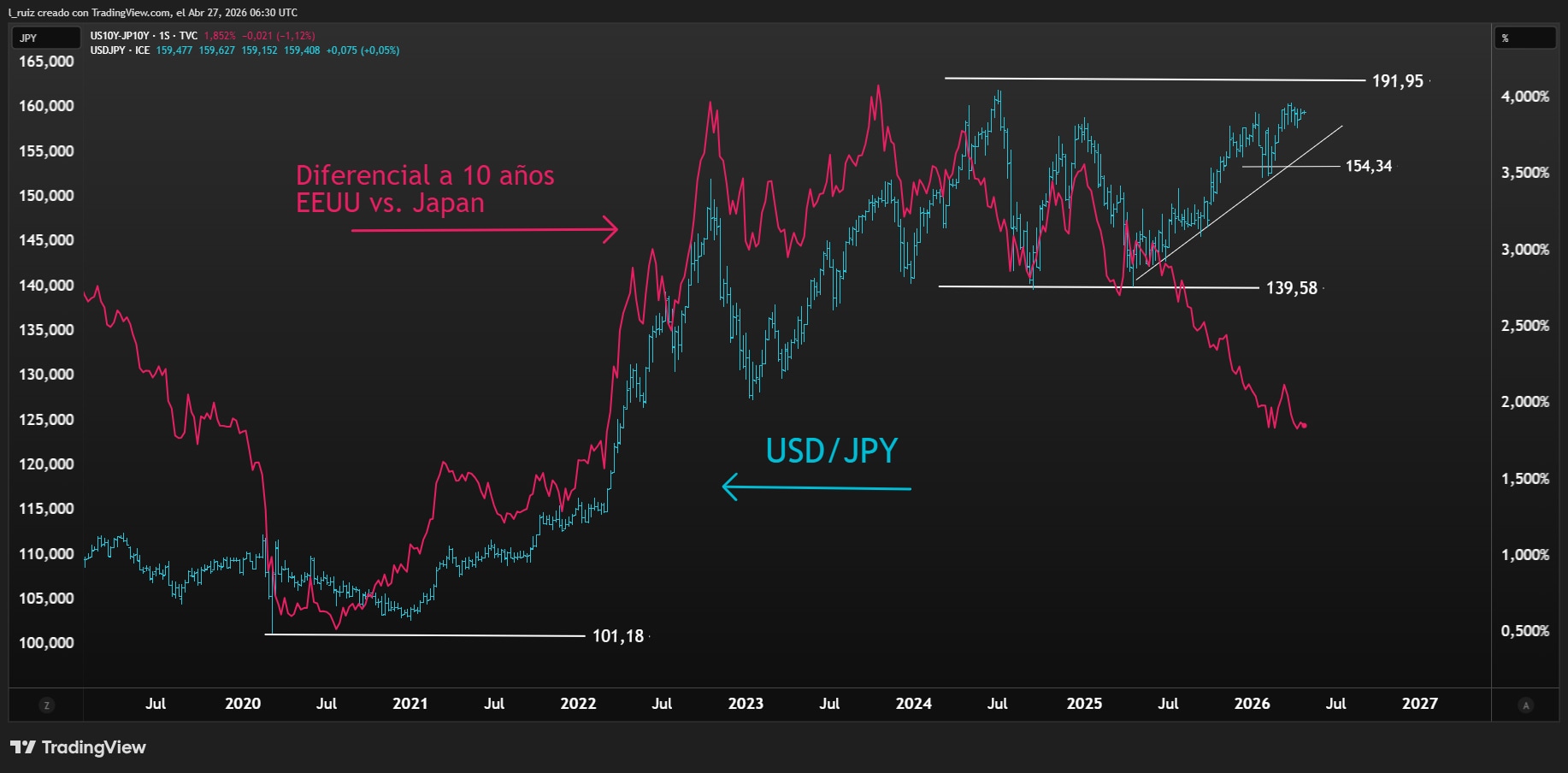
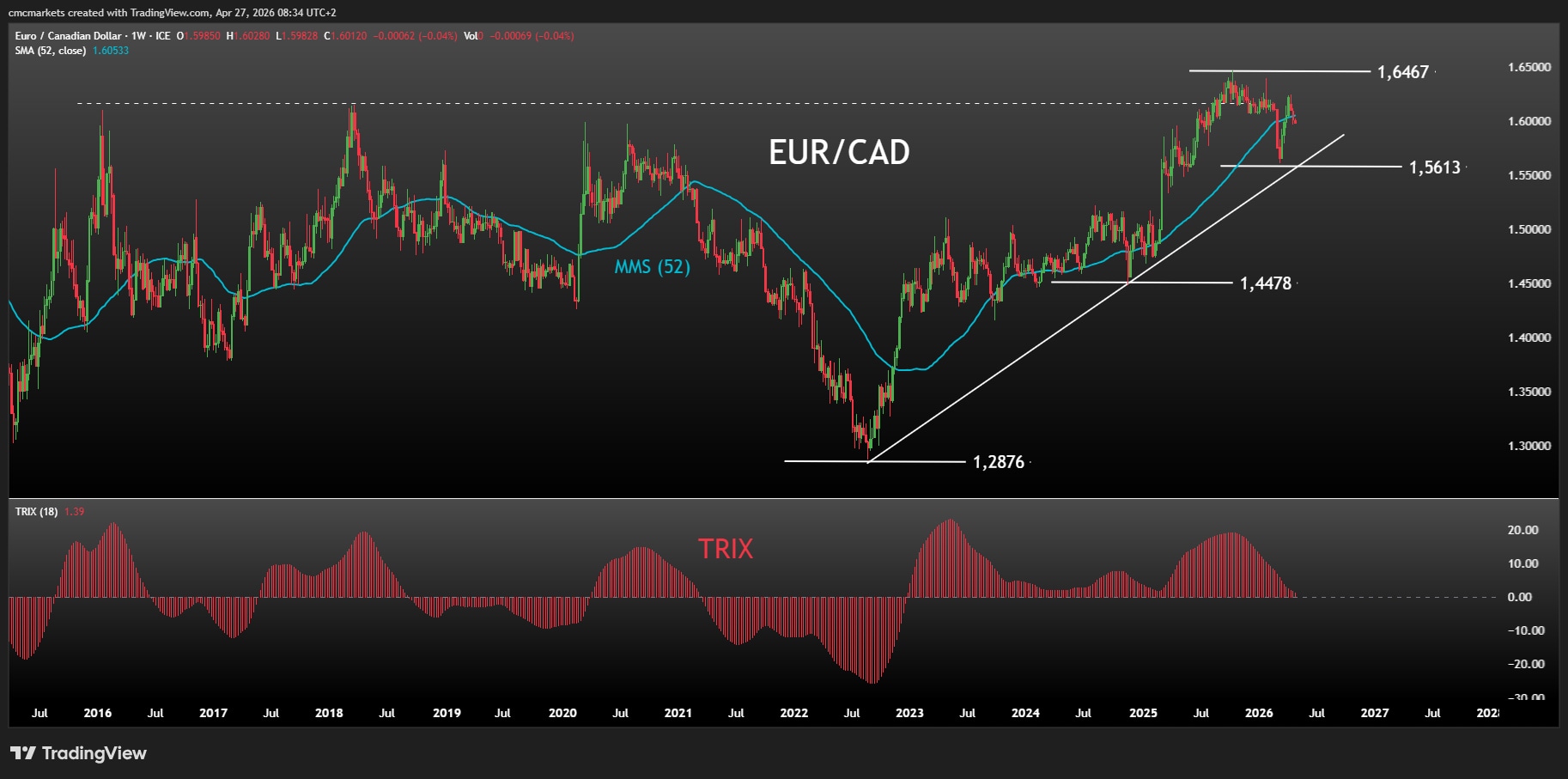
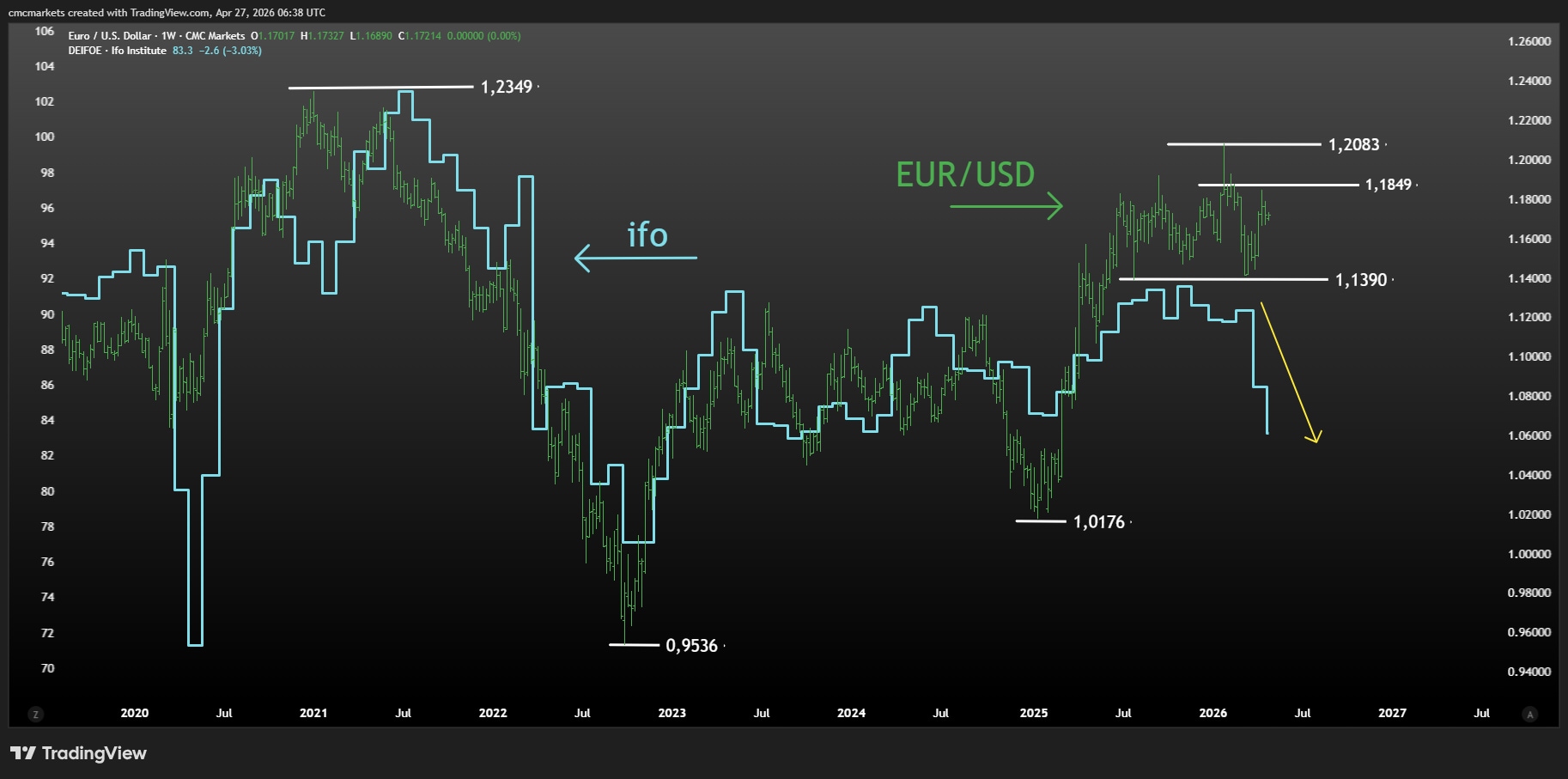
That is where the FX story starts to matter. The article argues that the latest energy shock is creating an asymmetric backdrop: energy exporters such as Canada and the United States have more room to absorb it, while Japan, the UK and the eurozone remain more vulnerable to a stagflation-style squeeze.
For markets, that puts the focus on guidance rather than on the policy rate itself. Traders will be listening for any hint about how each central bank sees inflation persistence, curve pressure and the balance between protecting growth and defending credibility.
Central bank yield curves, 27 February - 27 April 2026