What are commodities and how do you trade them?

11 minute read
|26 Aug 2025
Table of contents
  • 1.
    What are commodities? 
  • 2.
    How commodities trading works
  • 3.
    Types of commodities
  • 4.
    Factors affecting commodity prices
  • 5.
    Trading commodities in New Zealand
  • 6.
    Advantages and risks of commodity trading
  • 7.
    Why choose CMC Markets for commodities trading

Commodities have become increasingly popular among traders seeking to capitalise on price volatility and global macroeconomic trends. Because their prices often move independently of stock markets or interest rates, commodities can also serve as a valuable counterbalance during periods of economic uncertainty. Whether you're completely new to trading or just exploring new markets, this article will walk you through what commodities are, how commodity trading works, and how to get started.

What are commodities? 

Commodities are basic raw materials and primary agricultural products that can be bought, sold, and traded. Commodities can be categorised into either hard or soft varieties. Hard commodities include natural resources such as oil, gold, rubber and natural gas, while soft commodities include wheat, coffee, corn and cotton.

Commodities play a fundamental role in the global economy. They serve as inputs for manufacturing, energy production, food supply, and construction. In real terms, these are some of the most consumed and depended-upon inputs in any economy — meaning their prices are a key driver of inflation, trade, and economic stability.

The most widely traded commodities have well-established markets, with around 50 major commodity exchanges globally. If you’re interested in learning more about an established commodity market, read our introduction to trading on the oil commodity market.

How commodities trading works

These simple products are exchanged and traded on Commodity Markets.

There are several ways traders can gain exposure to commodities, ranging from direct contracts to financial instruments. The most common methods include CFDs commodity stocks, and spot market trading.

Futures contracts

One of the most traditional ways to trade commodities is through futures contracts on regulated exchanges. Futures contracts allow buyers and sellers to agree today on the price of a commodity to be delivered at a set date in the future. Futures contracts standardise the quantity and quality of the commodity. For example, a wheat futures contract might specify 5,000 bushels and define the acceptable grade. This ensures consistency in pricing, regardless of origin or minor quality differences. While some futures contracts result in the physical delivery of goods, many are closed out or rolled over before expiry, meaning traders never take possession of the asset.

Cash (spot) trading

A spot price is the current market price at which an asset such as gold, oil, a currency or a share can be bought or sold for immediate settlement. In the broader market, spot commodity trading means the actual exchange of the commodity for payment at that price, typically used by companies and institutions that need the physical goods such as a cereal manufacturer buying corn.

When trading spot commodities via CFDs, you are speculating on price movements without owning or taking delivery of the physical asset. On CMC Markets, the spot price refers to the cash product such as Gold Cash or Oil Cash and mirrors the live market price, with all CFD trades settled in cash rather than through physical delivery.

Contracts for difference (CFDs)

Many retail traders prefer CFDs, which allow speculation on the price movements of commodities without owning the physical asset. CFDs are leveraged products offered by online brokers, enabling traders to go long or short and potentially profit from both rising and falling markets. However, leverage also increases risk, and losses can exceed deposits.

Commodity stocks

Traders can also gain indirect exposure to commodities by trading share CFDs in commodity-producing companies such as mining firms, oil giants or agricultural businesses. These share CFDs allow you to speculate on the price movements of the company’s stock without owning the underlying shares. The share price is often influenced by movements in the related commodity market but is also affected by the company’s performance and broader equity market trends.
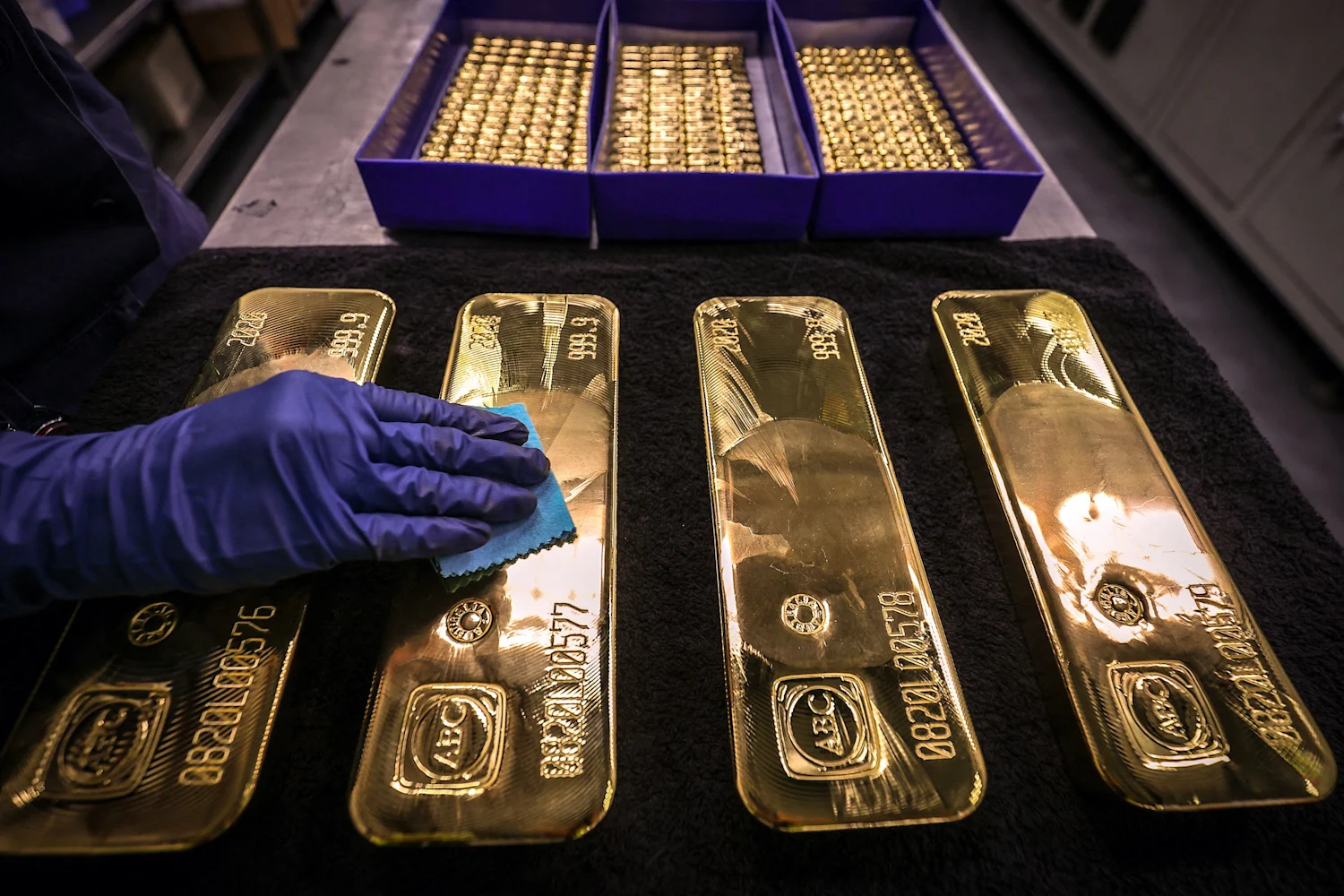
A worker meticulously cleans gold bars, highlighting their luster and preparing them for display.

Types of commodities

Commodities are typically grouped into four main categories: energy, metals, agricultural, and livestock. Each plays a vital role in the global economy and offers different opportunities for traders. 

Energy commodities

Energy markets are some of the most actively traded and closely watched. Popular instruments include crude oil (Brent and West Texas Intermediate), natural gas, and heating oil. Prices in this category are heavily influenced by geopolitical tensions, supply chain disruptions, and seasonal demand — especially in colder months. 

Metals

Metals are often divided into precious metals and industrial metals. 

  • Precious metals like gold and silver are popular with traders and are frequently used as hedges against inflation or economic uncertainty. 

  • Industrial metals like copper and aluminium, on the other hand, are widely used in manufacturing and construction, making them sensitive to industrial demand and global growth trends. 

Agricultural commodities

Soft commodities include staples like corn, wheat, soybeans, coffee, and sugar. These are crucial for food production and are heavily impacted by weather conditions, crop yields, and seasonal cycles. 

Coffee (Arabica and Robusta) and cocoa are also widely traded, often by those speculating on price fluctuations driven by harvests and global consumption trends. CMC Markets offers prices on coffee and cocoa, along with around 100 other cash and forward commodity instruments, on our Next Generation trading platform. 

Livestock

Live cattle are an example of livestock commodities, which also include products such as lean hogs. These markets can be influenced by factors such as feed costs, seasonal production cycles, disease outbreaks, weather conditions, and global export demand. Prices can also respond to shifts in consumer preferences and changes in trade policies affecting meat exports and imports.

Factors affecting commodity prices

Some of the most heavily traded commodities globally include crude oil, natural gas, gold, silver, copper, wheat, corn, and coffee. Their popularity is often driven by liquidity — or how easy it is to enter and exit a position — as well as current market trends, from supply and demand to geopolitical events and economic indicators. Understanding these drivers is key to building a successful trading strategy. 

Supply and demand

At the core of commodity pricing is the balance of supply and demand. A poor wheat harvest, for example, can reduce supply and drive prices up, while a boom in mining output might cause metal prices to fall. Commodities are particularly vulnerable to natural disasters, weather patterns, trade disruptions, and changes in production capacity

Geopolitics and macroeconomic events

Political instability, economic sanctions, global conflicts, and government policy shifts can all impact commodity markets. Traders often use news trading strategies — reacting to headlines that could signal major shifts in supply or demand. 

For example, if a report suggests that gold demand has fallen to a ten-year low, prices may decline as traders sell off positions. Conversely, rising inflation data might drive gold prices up as traders seek a safe haven. 

Technical analysis and price trends

Many traders use technical analysis to identify trends and trading opportunities. Analysing historical price movements, chart patterns, and momentum indicators helps inform decisions on when to enter or exit a trade. 

A common strategy is to "trade the trend" — buying a commodity when it's breaking out to new highs in an uptrend or selling when it's declining in a downtrend. While technical analysis does not guarantee outcomes, it remains a widely used method in commodity trading. 

Volume and open interest

Two important indicators in commodity markets are volume and open interest

  • Volume measures the number of contracts traded over a given period, indicating market activity. 

  • Open interest reflects the total number of open long and short positions — a measure of market commitment. 

Markets with high volume and open interest often offer greater liquidity and tighter spreads, making them more attractive to traders. 

Trading commodities in New Zealand

You can choose to open a live or demo account with CMC Markets to explore commodity trading. Our Next Generation platform offers access to over 100 cash and forward commodity instruments, including crude oil (Brent and WTI), gold, copper, natural gas, and coffee.

Step 1: Open a CMC Markets account

Start by creating a live or demo account with CMC Markets. Our Next Generation platform offers access to over 100 spot and forward commodity instruments, including crude oil (Brent and WTI), gold, copper, natural gas, and coffee.

Step 2: Choose your commodity

Select the market you want to trade. Popular options include Gold, Crude Oil Brent, and Natural Gas.

Step 3: Analyse the market

CMC’s trading platform offers built-in charting tools and real-time news feeds to support your analysis.

Step 4: Decide to buy or sell

Buy (go long) if you believe the price will rise, or sell (go short) if you expect the price to fall.

Step 5: Enter your trade size

Choose how many units you want to trade. The value of one unit varies depending on the instrument and market.

Step 6: Manage your risk

You can choose to use stop-loss or guaranteed stop-loss orders (GSLOs). GSLOs work exactly the same as regular stop-loss orders, except that for a premium, they guarantee to close you out of a trade at the price you specify, regardless of market volatility or gapping. If the GSLO isn’t triggered, the premium is refunded in full. In New Zealand, traders can also add Shield Mode* for an extra layer of security on popular markets, including some commodity products. It includes built-in risk management tools such as guaranteed stop-loss on every trade and negative balance protection to help manage risk if markets move against you. To switch it on in our Next Generation platform, simply get in touch using the details listed on the Shield Mode page.

Step 7: Monitor your position

Track your open positions in real time, including any stop or take-profit orders. Stay updated on price movements, relevant news, and any margin requirements. Please remember that losses can exceed your deposits. 

Step 8: Close your position 

You can close your trade manually when you're ready, or let your stop-loss or take-profit order close it for you automatically. 

Advantages and risks of commodity trading

Commodity trading can offer several advantages, including portfolio diversification and protection against inflation. However, like all financial markets, it also carries risks — particularly due to the often volatile and unpredictable nature of commodity prices.

Advantages of commodity trading

Hedging against inflation

Commodities, especially precious metals like gold, tend to maintain their value during periods of high inflation. As inflation erodes the purchasing power of currencies and other financial assets, many traders turn to commodities as a hedge to preserve their capital.

High liquidity

Markets for popular commodities such as gold, crude oil, and natural gas are generally known as highly liquid. This means positions can typically be opened and closed quickly, often with tighter spreads than more niche or illiquid assets like real estate or penny stocks.

Volatility can be an opportunity

Commodities are known for their price swings. For traders who can correctly anticipate geopolitical events, weather disruptions, or economic shifts, they can capitalise on these forces.

Risks of commodity trading

Unpredictable demand

The value of a commodity is heavily dependent on supply and demand — both of which can be difficult to forecast. A sudden drop in demand for oil, gold, or agricultural goods due to macroeconomic changes or technological shifts can lead to sharp price declines and losing trades.

Structural or technological change

In some cases, a commodity’s long-term value can be undermined by innovation. For example, the demand for silver fell sharply in the 1980s due to the shift from film-based to digital photography, which removed a major industrial use for the metal.

Volatility is inherently risky

Volatility significantly increases the risk of loss — especially when trading with leverage. Sudden price movements triggered by war, weather events, or policy announcements can result in rapid market reversals.

Leverage risk in CFD trading

When trading commodities via contracts for difference (CFDs), you’re using leverage — which means both profits and losses are amplified; traders can lose more than their initial deposit.

Why choose CMC Markets for commodities trading

Trusted by Kiwi traders, CMC Markets offers seamless access to global commodity markets through a powerful and intuitive trading platform. Whether you're just starting out or you're an experienced trader, CMC Markets provides the tools and features to help you trade with confidence.

Platform benefits

  • Competitive spreads: Access tight spreads on popular commodities like gold, crude oil, natural gas, and copper. 

  • Extensive trading hours: Access the commodity market from Monday morning through to Saturday morning on your phone, tablet, PC or Mac, with up to 100 commodity instruments available using leverage. 

  • Real-time price charts and technical tools: Analyse price movements with advanced charting features, more than 80 technical indicators, and built-in news feeds to support smarter decision-making. 

Open a demo account with CMC Markets to practise trading commodities before committing real capital.

Disclaimer: This article provides general information only. It has been prepared without taking account of your objectives, financial situation or needs. It is not to be construed as a solicitation or an offer to buy or sell any financial instruments, or as a recommendation and/or investment advice. It does not intend to support an investment decision and it should not be relied upon by you in evaluating the merits of investing in any financial instruments. You should consider your objectives, financial situation and needs before acting on the information in this article. CMC Markets believes that the information in this article is correct, and any opinions and conclusions are reasonably held or made on information available at the time of its compilation, but no representation or warranty is made as to the accuracy, reliability or completeness of any statements made in this article. CMC Markets is under no obligation to, and does not, update or keep current the information contained in this article. Neither CMC Markets nor any of its affiliates or subsidiaries accepts liability for loss or damage arising out of the use of all or any part of this article. Any opinions or conclusions set forth in this article are subject to change without notice and may differ or be contrary to the opinions or conclusions expressed by any other members of CMC Markets.

*Shield Mode is an account setting on our platform that caps your potential losses to your deposited amount, facilitated by the use of Guaranteed Stop Loss Orders (which come with associated costs). Activating Shield Mode significantly reduces the range of products available to trade. After activation, a list of products eligible for trading under Shield Mode can be accessed directly on our platform.

Join an award winning CFD provider
Practise CFD trading with $10,000 of virtual funds on a risk-free demo account.
Access 12,000+ instruments on our award-winning CMC Markets Platform. Including indices, forex and shares.
Enhance your CFD trading on MetaTrader4 with CMC Markets and access 175+ forex pairs.
Tight spreads and low margin rates.